Large Solar and Battery Project Faces Local Opposition Over Aesthetics
Mint Renewables proposes a significant solar and battery project near Canberra, facing criticism from local mayor regarding its visual impact and environmental concerns.

Mint Renewables proposes a significant solar and battery project near Canberra, facing criticism from local mayor regarding its visual impact and environmental concerns.

A Victorian solar installer was fined for fraud under the SRES, as allegations of misconduct in the battery rebate scheme surface.

Australia’s Winton North Solar Farm has installed all solar panels, progressing towards renewable energy generation and grid connection next year.

Western Australia’s SWIS grid evolves with renewable energy, achieving 46% demand supply and surpassing 1GW battery capacity, enhancing stability and reducing reliance on fossil fuels.
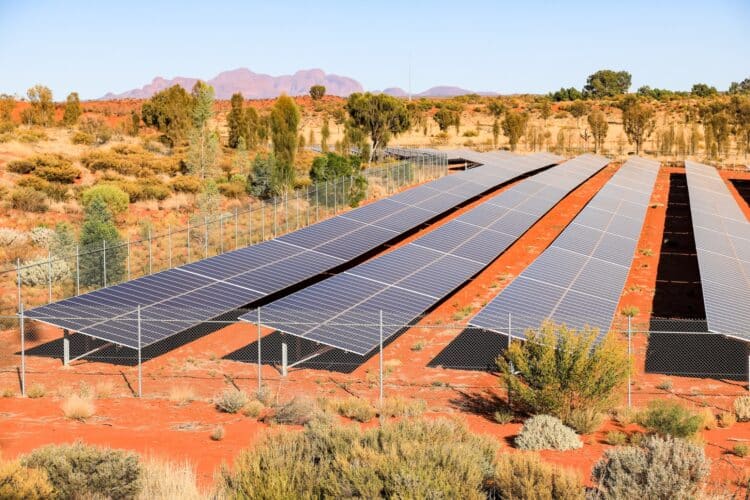
Frontier Energy secures funding and contractor for Waroona, a significant renewable energy project in Western Australia, aiming for completion by 2028.

A new report highlights significant savings potential for households exploring competitive Solar Sharer tariffs versus default options, urging consumers to shop around.
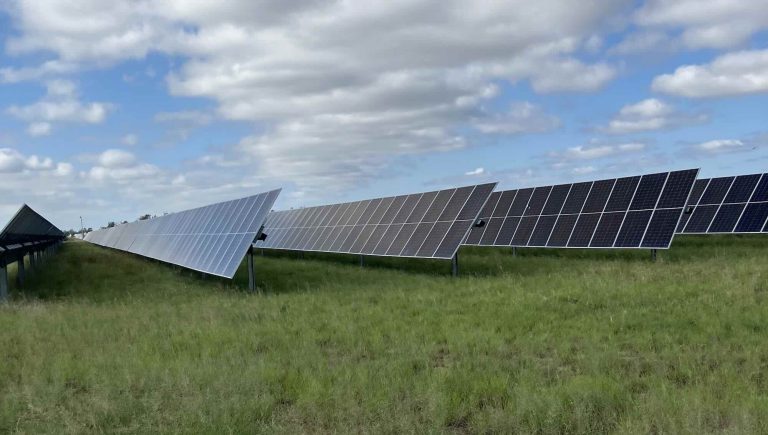
August saw a significant reduction in solar curtailment, aided by batteries, despite record-breaking solar output across major Australian states.
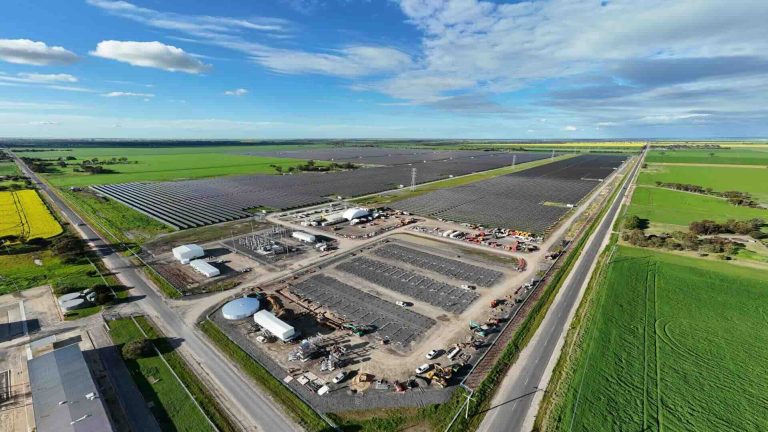
The 119 MW Horsham solar farm in Victoria has connected to the grid, marking the start of the state’s first solar-battery hybrid project.
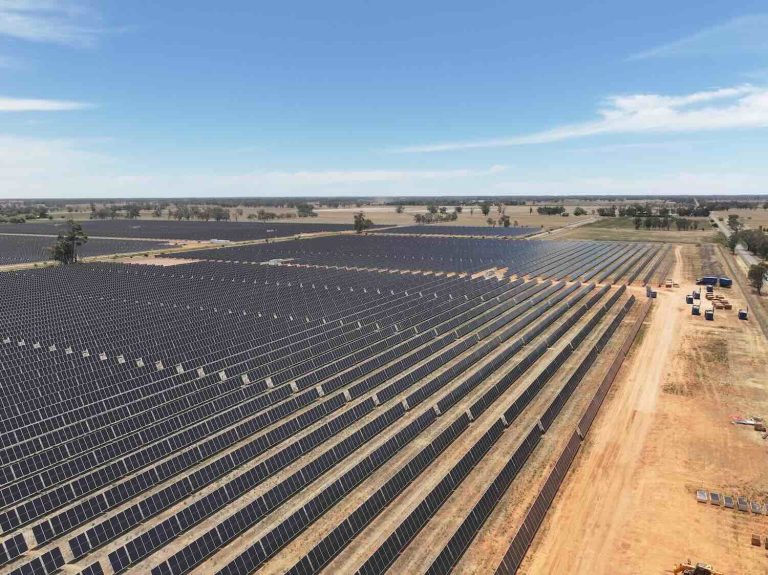
Frontier Energy secures contracts to begin the Waroona Renewable Energy Project, combining a 132 MW solar farm with an 81.5 MW battery.

With plug-in solar now legal in Great Britain and New Zealand, Australia needs to create regulations to ensure safe and effective implementation.

Australia’s grid demand hits record lows as rooftop solar meets nearly all electricity needs during a mild winter, highlighting the shift towards renewable energy.
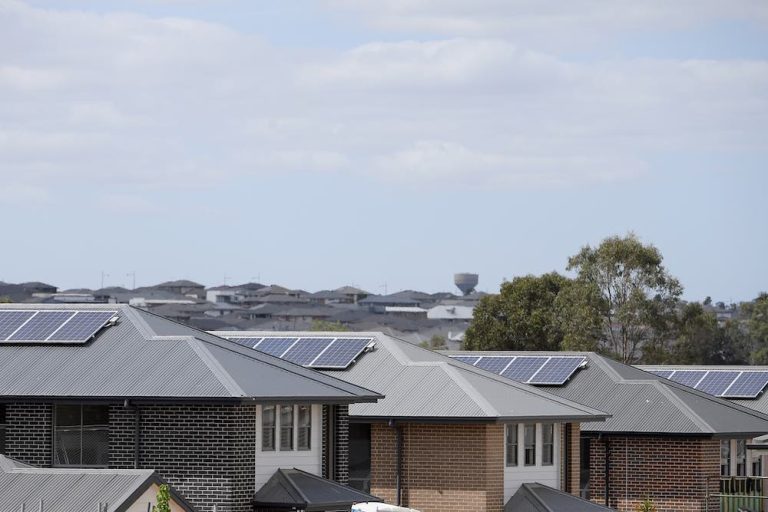
Energy veteran Ty Christopher critiques the Solar Sharer policy, arguing it prioritizes retailer viability over consumer savings, undermining its original intent.