Australia’s $32.5 Billion Renewable Energy Surge: Wind, Solar, and Battery Projects
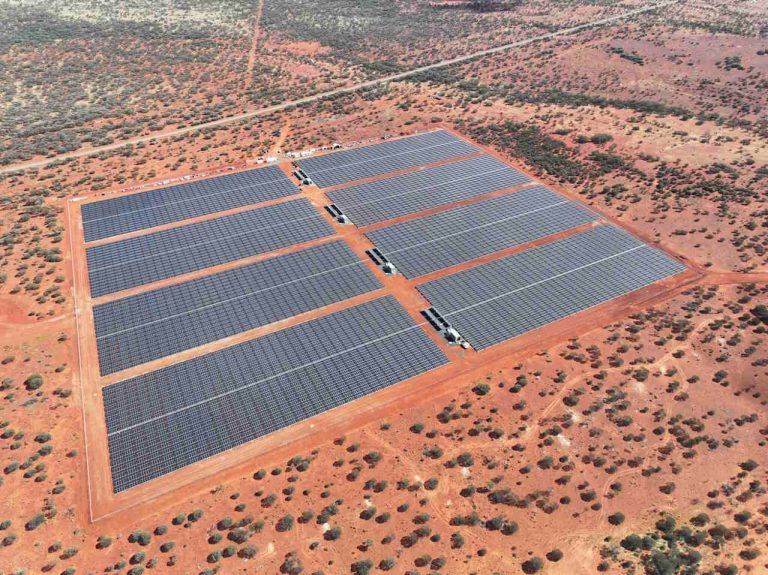
Australia is experiencing a remarkable increase in commitments to wind, solar, and battery projects, with approximately $32.5 billion either financed or currently under construction, as revealed in the latest survey by the Clean Energy Council (CEC).
The CEC’s database highlights that during the first half of 2026, 12 large-scale renewable energy projects, totalling 2.6 gigawatts (GW), achieved a final investment decision (FID). This figure surpasses the entire 2025 total of 2.3 GW.
Ongoing Momentum in Renewable Projects
Since then, the momentum has continued to build, with five wind farms backed by CIS, representing 1,533 MW, reaching FID or commencing construction since the end of June, and more projects anticipated to follow before the year concludes.
“Across Australia, $32.5 billion worth of generation and storage is either under construction or has reached financial closure,” the CEC noted in its bi-annual investment report released on Monday.
Increase in Generation Capacity
A total of 1.4 GW of new generation capacity was installed, including the first stage of Victoria’s 756 MW Golden Plains wind farm. This influx has contributed to raising the rolling average for commissioned capacity to 912 MW, marking its highest level since early 2022, and reflecting a 56 per cent increase from the previous year.
Additionally, eight more projects with a capacity of 1.9 GW also began construction in the year’s first half.
Advancements in Energy Storage
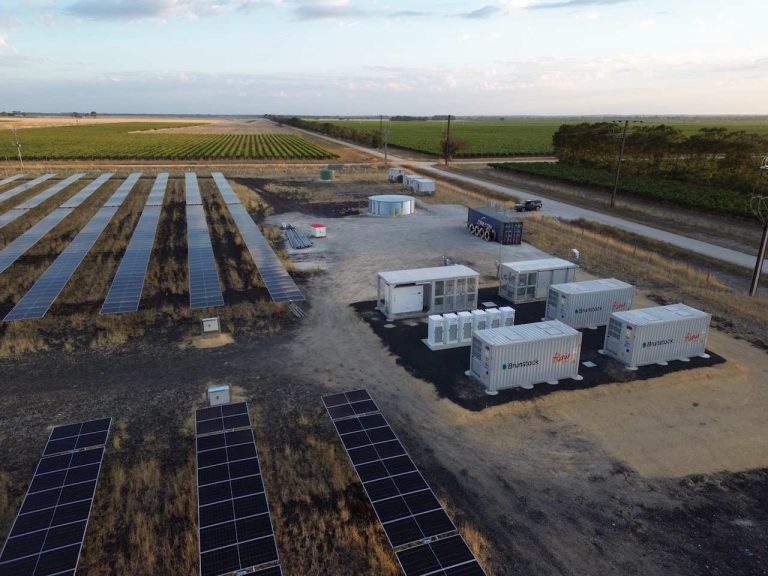
Similarly notable, nine storage projects, totalling 2.3 GW and 7.1 gigawatt-hours (GWh), were commissioned in the first half of the year, already exceeding the previous year’s total energy storage capacity record of 5.1 GWh established in 2025.
The trend highlights a strong commitment to energy storage across Australia, with over 75% of all utility-scale storage capacity commissioned since 2017 coming online in just the past 18 months. Additionally, 13 storage projects, totalling 1.6 GW and 6.5 GWh, reached financial closure during this timeframe, slightly below the 6.6 GWh noted in the first half of 2025.
Future Outlook for Renewables
The CEC has documented a total of 141 projects that have either reached financial close or commenced construction, boasting a 12.6 GW pipeline for energy storage—exceeding the 11.7 GW for renewable generation.
Interestingly, despite the current LNP state government’s attempts to revert to fossil fuels, Queensland leads with the highest proportion of pipeline investment at $9.6 billion, generating capacity of 4.5 GW, and half of the onshore wind capacity pipeline at 2.5 GW. New South Wales, on the other hand, boasts the largest storage pipeline at 4.3 GW and 11.2 GWh, along with the 414 MW Uungula wind farm, the sole onshore wind farm under construction in the state.
Impact on Energy Prices
CI Executive Officer Jackie Trad indicates that rising investments in renewable generation and storage are exerting downward pressure on electricity prices. The average wholesale electricity price stood at $74 per megawatt-hour in the June quarter, reflecting a nearly 50% reduction compared to the same period in 2025.
The CEC further reports a decrease in the regulated reference price for household electricity, which fell by 3.4% in NSW and south-east Queensland, and approximately 5% in Victoria. The Australian Energy Regulator (AER) attributes these reductions directly to an increase in wind and battery generation, alongside reduced dependence on gas and hydro during peak evening hours.
Call for Continued Momentum
“While wholesale costs are just one component of a bill, and network costs are still rising in some areas, the data suggests that greater reliance on renewables and storage is easing the financial burden on Australian households,” concluded the CEC.
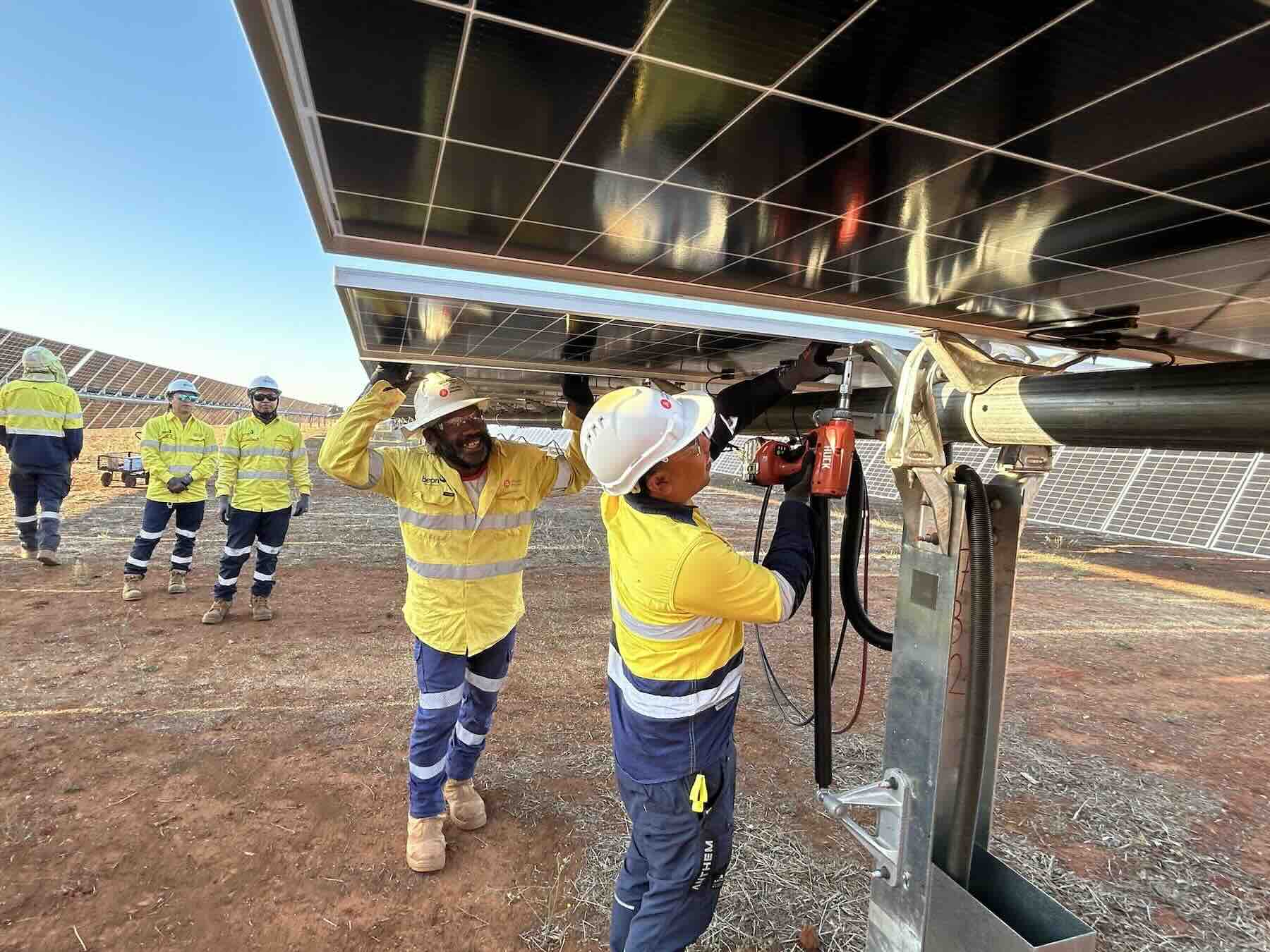
Trad emphasised that with $32.5 billion worth of generation and storage initiatives in progress or successfully funded, sustaining this growth necessitates consistent approvals, prompt transmission infrastructure, and long-term revenue certainty to advance more projects, including onshore wind.
“Australian-made clean energy will not only provide more affordable and reliable electricity for homes and businesses but could also create tens of thousands of jobs and generate billions in investment and economic activity, particularly in regional areas,” she noted.