Electric Vehicles: Ideal Partners for Rooftop Solar in Tropical Cities
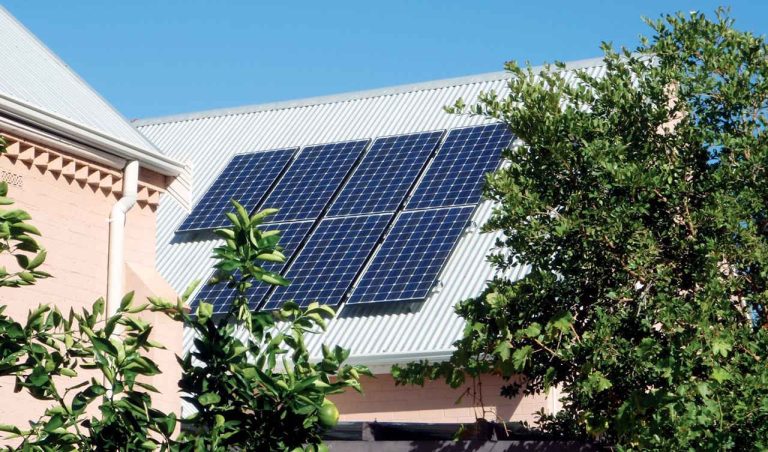
Electric vehicles can enhance solar energy adoption in tropical cities by storing energy and providing grid support during thunderstorms.
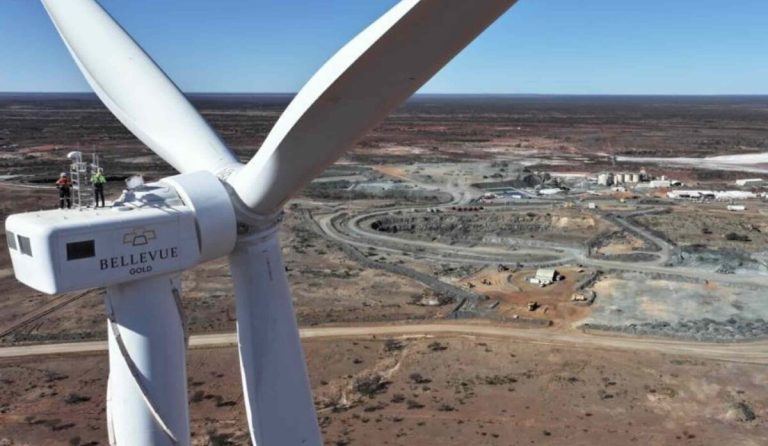
The Bellevue gold mine operates with 90% renewable energy, significantly reducing diesel costs and achieving net-zero status amidst rising fuel prices.
Research reveals solar trackers may reduce panel lifespan by 7-10 years due to increased UV exposure in certain climates.
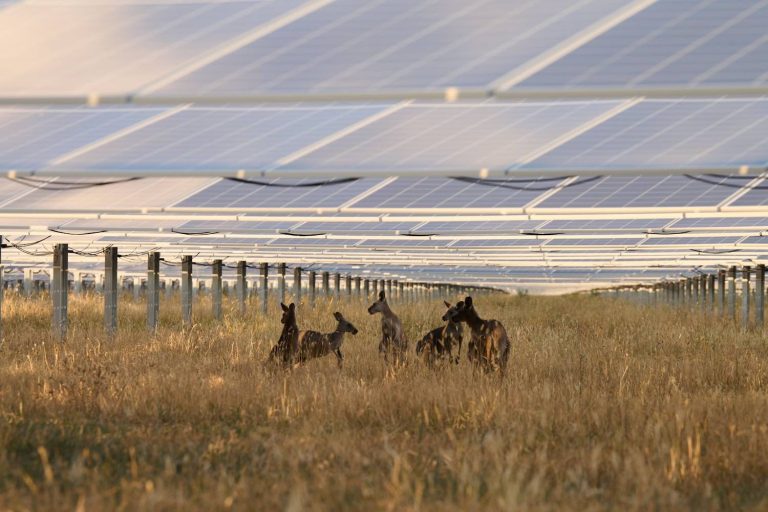
Local councils are opposing large-scale solar developments on irrigated farmland, balancing renewable energy growth with agricultural land protection.
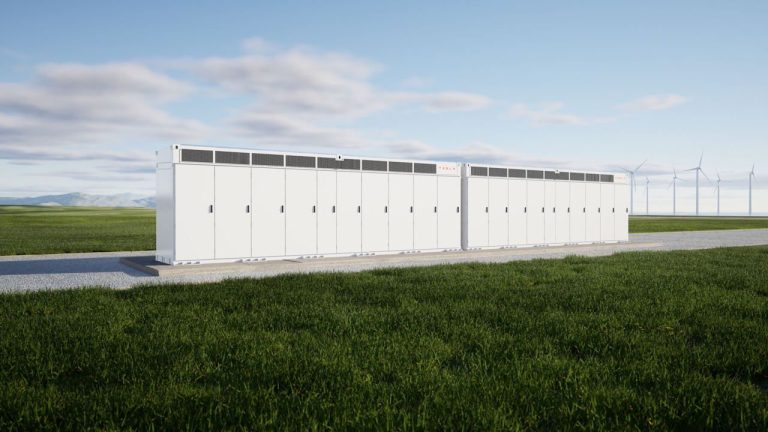
South Australia seeks proposals for solar, wind, and storage projects across 11,000 square kilometers, aiming to support renewable energy for 500,000 homes.
New tariffs reward New Zealanders for exporting rooftop solar energy during peak demand, enhancing distributed energy resources and encouraging solar adoption.
Australia’s wind and solar farms generated 4.7 TWh of renewable energy in March, with Queensland leading in production and batteries outperforming gas.
Flow Power has scrapped the Springdale solar project due to missed planning permit deadlines and lack of battery integration, despite initial approval and community support.
Banana Shire Council introduces a $100,000 annual road maintenance fee for renewable energy developers to address road damage during construction.
NEM emissions intensity has dropped 25% since 2020, with South Australia leading the decline through renewable energy sources.
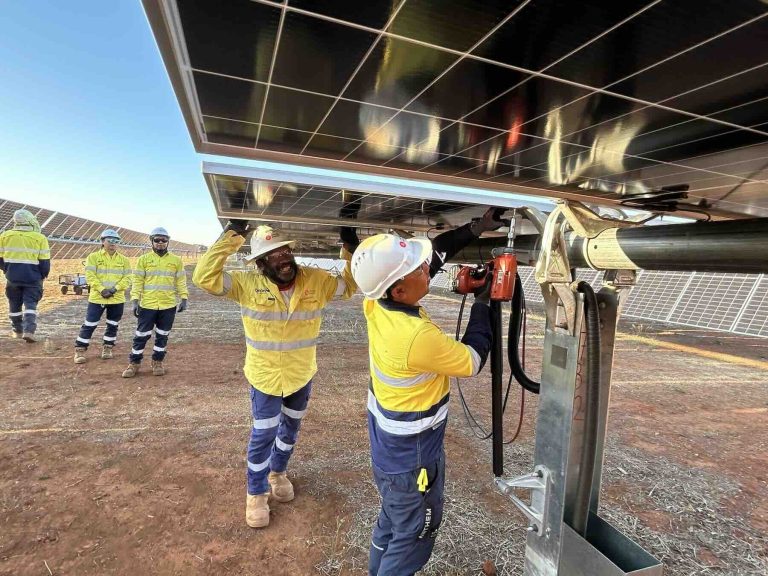
Sterling and Wilson Renewable Energy reports financial losses due to PV module failures in an Australian project, impacting generation and margins.
Harmony Gold and Aggreko partner for Australia’s biggest off-grid hybrid renewables facility at Eva copper mine, targeting net zero emissions by 2035.