Solar Power Surges in European Heatwaves Amid Nuclear and Fossil Fuel Challenges
A recent analysis has shown a notable increase in solar power generation across Europe amid recent heatwaves, providing crucial support to the electricity grid despite rising demand and reduced nuclear output.
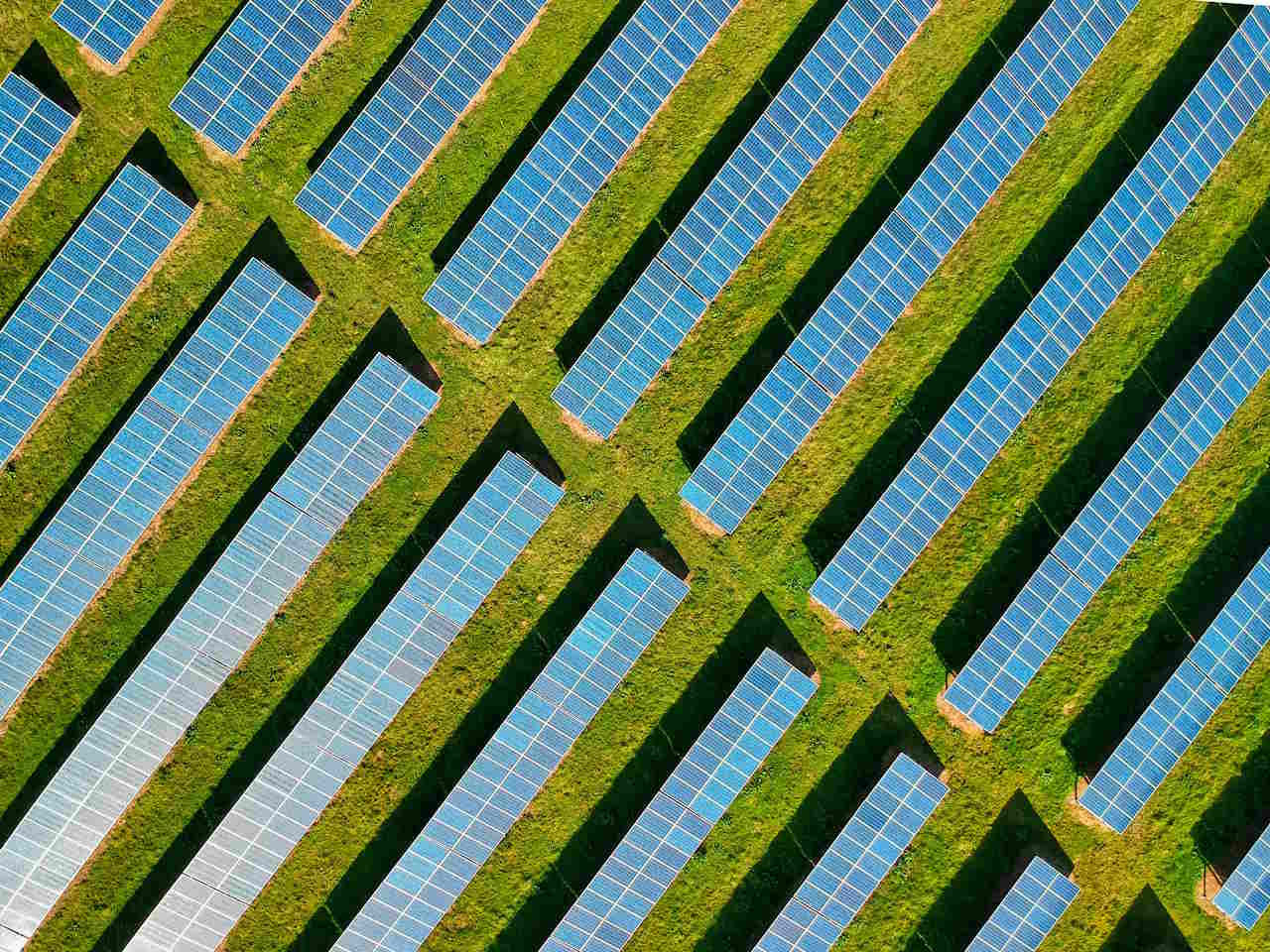
According to a study by the global energy think tank Ember, solar energy production in several European nations surged by as much as 17 per cent on days when heatwaves struck in June and July.
Impact of Heatwaves on Energy Demand
Europe is currently grappling with severe heatwaves, droughts, and associated wildfires, leading to heightened electricity demand and soaring power prices. Notably, the energy grids have demonstrated resilience, largely thanks to what Ember describes as unprecedented solar outputs.
During the intense heat of June and July 2026, temperatures soared beyond 40°C across various regions in Europe, significantly boosting electricity demand, particularly for air conditioning, while simultaneously disrupting electricity generation from nuclear, gas, coal, and hydropower sources.
Regional Demand Spike
For instance, Italy experienced a daily electricity demand spike of up to 28 per cent during the late June and July heatwaves compared to pre-heatwave days. Meanwhile, Hungary saw a 23 per cent increase, followed by France at 14 per cent and Spain at 13 per cent.
However, the exceptional generation of solar energy during daylight hours has effectively met the surge in consumption. Ember notes that the most significant price elevations and supply shortages are observed during the evenings when solar generation starts to taper off.
Challenges for Conventional Power Sources
Conversely, extreme temperatures and drought conditions continue to adversely impact the availability of nuclear, gas, and coal energy throughout Europe. Statistics reveal that the very factors enhancing energy demand are also diminishing the performance of conventional power plants.
Thermal power stations, including nuclear and fossil fuel facilities, rely on water from rivers or seas for cooling. However, when high temperatures elevate water temperatures and drought reduces river levels, these plants face dual challenges with both cooling water availability and efficiency severely compromised.
Specific Instances of Power Reduction
For example, in Hungary and Romania, historically low water levels in the Danube River have hindered output from nuclear power stations, which commonly supply about 40 and 15 per cent of their electricity, respectively. This issue has the potential to result in complete reactor shutdowns.
A similar situation occurred in Switzerland, where the Beznau nuclear plant was temporarily decommissioned in June due to excessively high river temperatures.
Historical Context of Nuclear Plant Challenges
The adverse effects of heatwaves on nuclear facilities have been thoroughly documented. During the heatwave in July 2026, three of France’s 57 nuclear reactors needed to be taken offline, with output capacity reduced in another seven reactors. Such reductions in nuclear generation have also been evidenced during prior heatwaves in 2003, 2006, 2015, 2018, 2019, 2022, and 2025.
Ember has also reported on the strain faced by France’s nuclear fleet, which is the largest in Europe. Local environmental regulations prevent the discharge of cooling water into rivers above certain temperatures to protect aquatic ecosystems, sometimes necessitating reactor shutdowns when river water exceeds designated thresholds.
On 12 July 2026, around 29 gigawatts (GW), or 23 per cent of France’s nuclear capability, was offline due to exceptional heat, similar to the 30 GW that was unavailable during the summer of 2025, yet far from the two-thirds capacity that was offline in the summer of 2022.
Wide-ranging Effects on Other Power Sources
Gas and coal generation have similarly been affected, with outputs reduced or facing potential cuts in the UK, Italy, France, Poland, and Serbia. Ember further indicated that the drought conditions dominating continental Europe have driven hydropower generation to its lowest output for July in ten years.
The Need for Better Energy Storage Solutions
While solar energy substantially contributes during peak daylight hours, the inflexible demand on Europe’s electricity grids has sparked discussions around enhancing battery storage and improving demand management systems.
“Solar is already playing a significant role during heatwaves, but the true challenge arises after sunset,” commented Chris Rosslowe, a senior energy analyst at Ember. “In the evenings, as cooling demands remain high, the grid becomes highly reliant on costly gas-fired power. While solar energy does save the day, battery storage has the potential to sustain supply into the evening. Together, they could significantly bolster the resilience of Europe’s power systems during increasingly hot summers, allowing for cheap solar energy to be stored and utilised later.”