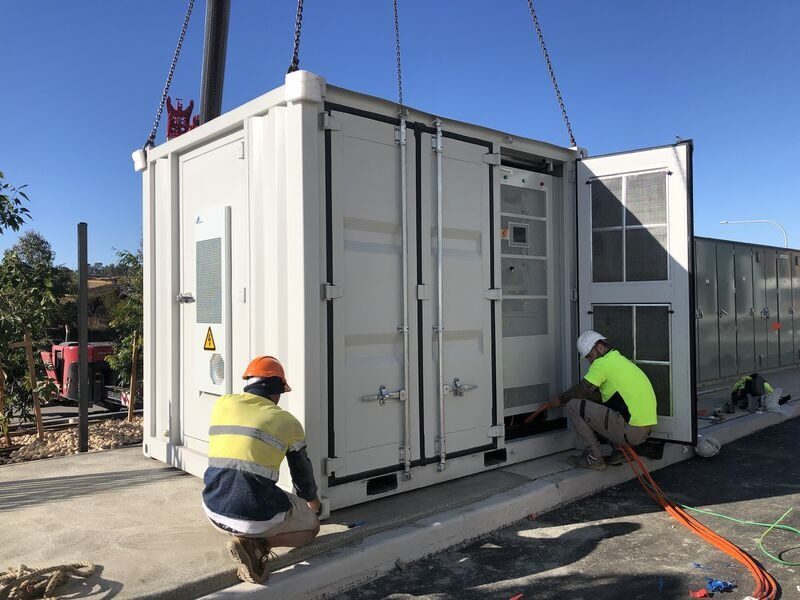
NSW Rebate Program Cuts Battery Costs for Businesses and Apartments by 40%
The New South Wales government has officially revived its Peak Demand Reduction Scheme (PDRS), offering rebates that can diminish the initial costs of battery systems—up to an impressive 30 megawatt-hours—by as much as 40 per cent for businesses and apartment complexes across the state.
This announcement was made by the NSW Labor government on Tuesday, following reports that the revamped scheme had been quietly approved by Energy Minister Penny Sharpe in late June and subsequently published on the NSW Climate and Energy Action website.
Background of the Scheme’s Reinstatement
As noted last month, these modifications effectively reinstate the battery installation rebates that were put on hold last year after the federal government’s introduction of the Cheaper Home Batteries (CHB) scheme. The initial decision to pause the scheme aimed to prevent recipients from benefiting simultaneously from both incentives. Instead, the PDRS provided extra discounts for households that connected their batteries to a virtual power plant (VPP).
However, the current VPP incentive has now been broadened to encompass batteries up to 50 kWh, allowing small enterprises and residences that join to be eligible for rebates of up to $1,000.
Eligibility and Benefits for Businesses and Apartments
The rebates are available to a diverse range of businesses, from small retailers and cafes to larger industrial operations, with the exception of residential buildings and data centres. For these businesses, rebates apply to battery systems ranging from 20 kilowatt-hours (kWh) to 30 megawatt-hours (MWh), with enhanced discounts available should solar panels be installed concurrently.
The amount of the rebate is contingent upon the battery’s size. For instance, a small business like a grocery store could receive a rebate around £37,000, while a larger business such as a dairy farm might obtain a discount of about £355,000.
As for apartments, the rebate applies to buildings consisting of four or more units that install batteries between 20 kWh and 200 kWh. Apartment complexes may expect discounts from 20-30 per cent for battery-only installations, increasing to 30-40 per cent when combined with new or additional solar systems.
Impact of the Scheme on Renewable Energy Adoption
There are various stipulations regarding eligibility for applicants and the types of batteries they can install, alongside specific regulations for approved installers. Nonetheless, this scheme represents significant progress for businesses in New South Wales, particularly following the federal government’s decision to expand the Small-scale Renewable Energy Scheme (SRES) for rooftop solar systems ranging from 100 kilowatts (kW) to 1 megawatt (MW).
Smart Commercial Energy’s CEO, Huon Hoogesteger, informed Renew Economy last month that preliminary estimates suggest that the adjustments to the PDRS could substantially shorten the payback period for businesses that have hesitated to invest in solar batteries due to financial constraints. “Currently, the breakeven period for battery systems hovers around seven years, but with the PDRS in place, this could fall to under four years, which is a substantial change,” Hoogesteger explained.
He further remarked that this initiative is poised to facilitate the entry of larger battery systems into the market, making them simpler for VPP operators and electricity retailers to manage. “Another benefit of this programme is its potential to spur additional solar installations,” Hoogesteger added, emphasising the untapped opportunities within the commercial and industrial sector in Australia.
With these enhancements, the largest rebates can be reaped not just from battery installations but also through accompanying solar panels.
Future Growth in Battery Adoption
This revival marks a significant advance for New South Wales, which, much like its southern counterpart, Victoria, is lagging in the large-scale renewable energy and storage capacity needed to replace retiring coal and meet emission reduction targets. Minister Sharpe noted that the state is currently witnessing around 10,000 new home battery installations monthly.