Australia’s Major Wind Project Seeks Approval for Solar and Battery Addition
The team behind a significant proposed 1.4 gigawatt (GW) wind farm in Queensland is now pursuing federal environmental clearance to incorporate a substantial solar farm and a battery storage project adjacent to it.
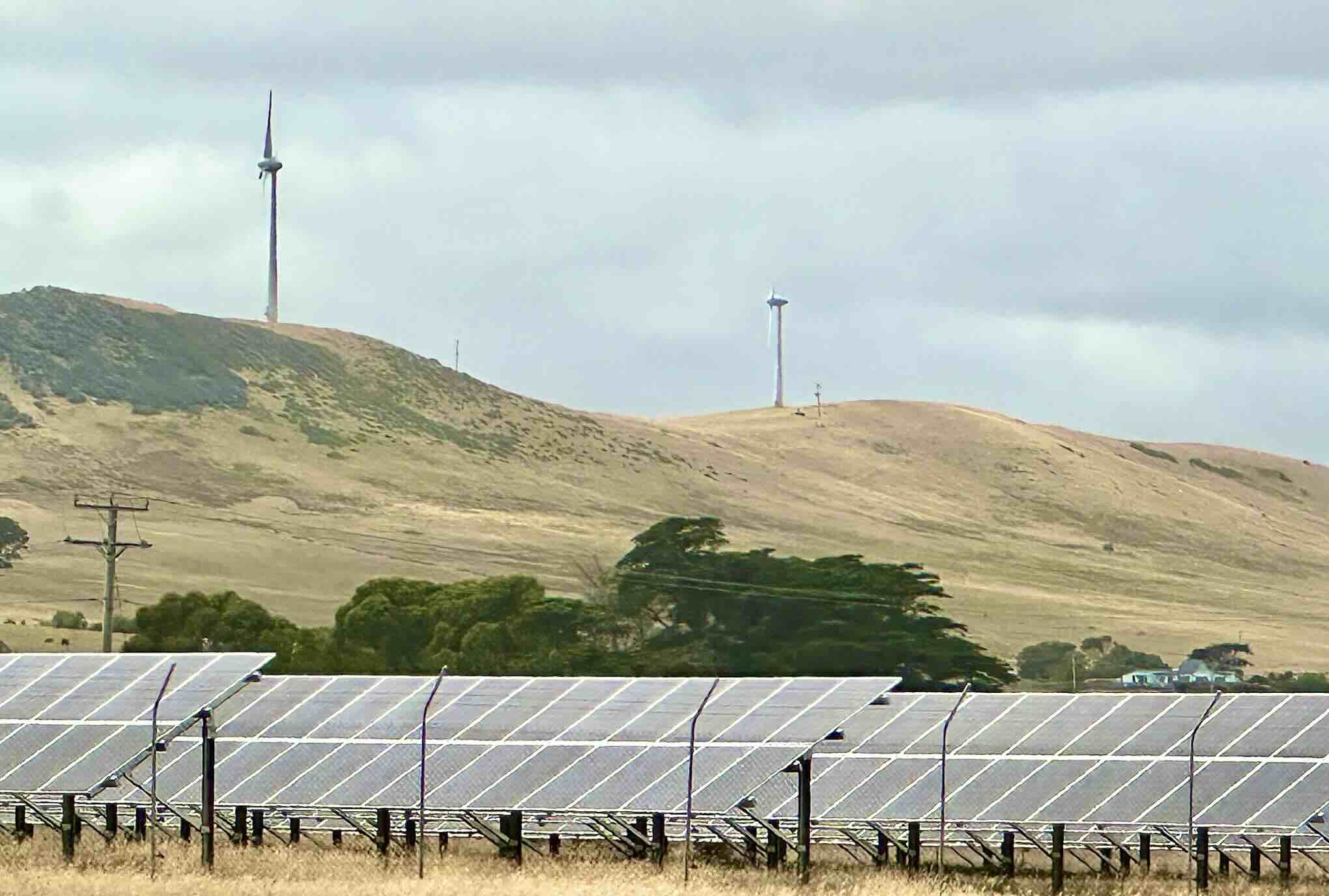
The Bungaban joint venture, originally developed by Windlab, is now co-owned by Squadron Energy, led by Andrew Forrest, and Federation Asset Management, which has acquired Windlab entirely. Following their agreement on the construction of the 1.4 GW Bungaban wind farm, they are now seeking consent to add a 500 megawatt (MW) solar farm alongside a 500 MW battery energy storage system (BESS), with the necessary documentation submitted to the relevant Environment Protection and Biodiversity Conservation (EPBC) Act authorities.
Projected Storage and Co-location Plans
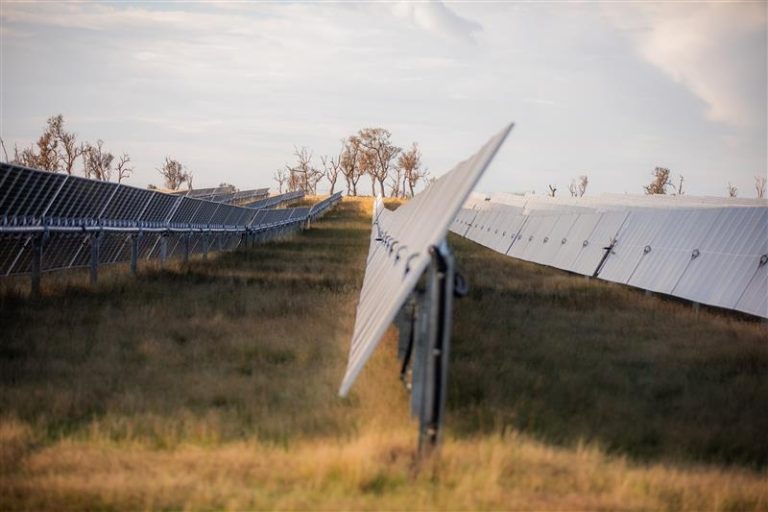
Although the exact specifications of the battery storage capacity are not detailed, it is anticipated to provide approximately four hours of storage, considering advancements in technology and market trends. The developers have also indicated a desire for the solar installation to be “co-located” with livestock grazing.
Community Engagement and Wind Project Progress
The decision to extend the project to include solar and battery systems came after consultations with the local community and stakeholders throughout the wind project’s development, which is currently progressing through the environmental assessment process initiated in March.
This wind initiative, set to feature up to 204 wind turbines, has already formed at least one power purchase agreement (PPA). This agreement, inked in early 2024 with the renowned global mining company Rio Tinto, secures 80 per cent of the wind farm’s output.
This initiative is part of various projects aimed at supporting Rio Tinto’s Boyne Island smelter’s shift from coal-fired power generation towards renewable energy and storage solutions, particularly after the anticipated closure of the Gladstone coal generator in 2029.