Rethinking Solar Panel End-of-Life: Economics Over Age
The idea that solar farms in Australia won’t face end-of-life issues until 2050 is a widespread misconception. Many believe that after three decades, solar panels will degrade, leading to their removal and the restoration of the land. However, conversations with those active in the sector reveal a more complex reality.
Recent discussions with utility-scale solar developers across Australia uncover two key insights that challenge our conventional timeline.
End-of-Life Determined by Profits, Not Age
Firstly, the concept of end-of-life for solar assets is less about their age and more about the financial aspects involved. One asset manager mentioned that considerations regarding a solar farm’s future often begin around the 15-year mark. Decisions on whether to prolong operational life, upgrade technologies, or halt operations tend to be driven by market conditions. With large-scale generation certificate prices plummeting from around $50 to just $4 recently, the financial viability of continuing operations diminishes.
Interestingly, even a well-functioning solar farm may face a critical decision when its off-take contract expires, especially if the new contracts aren’t favourable. In contrast, older installations can continue operations long past their intended lifespan if they remain profitable. As one industry expert noted, “if it’s still producing and profitable, let it continue until it fully breaks down.”
Revenue and grid connection stand out as pivotal factors in this narrative. As another grid expert stated, the mere physical connection to the grid holds intrinsic value, independent of whether energy is being produced.
The Shift Toward Hybrid Systems
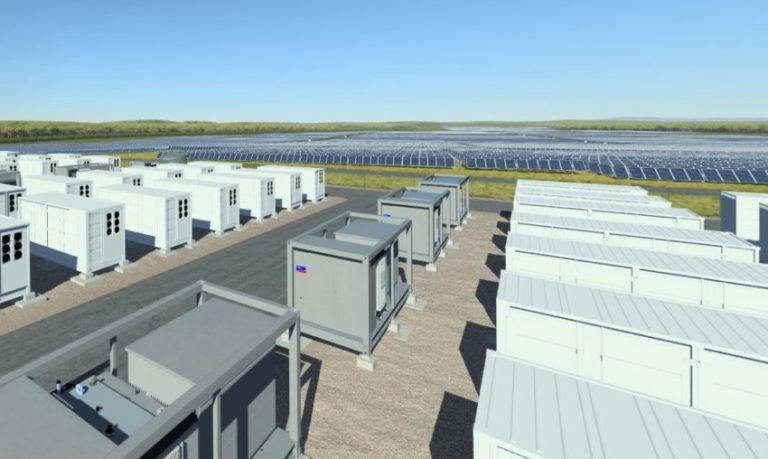
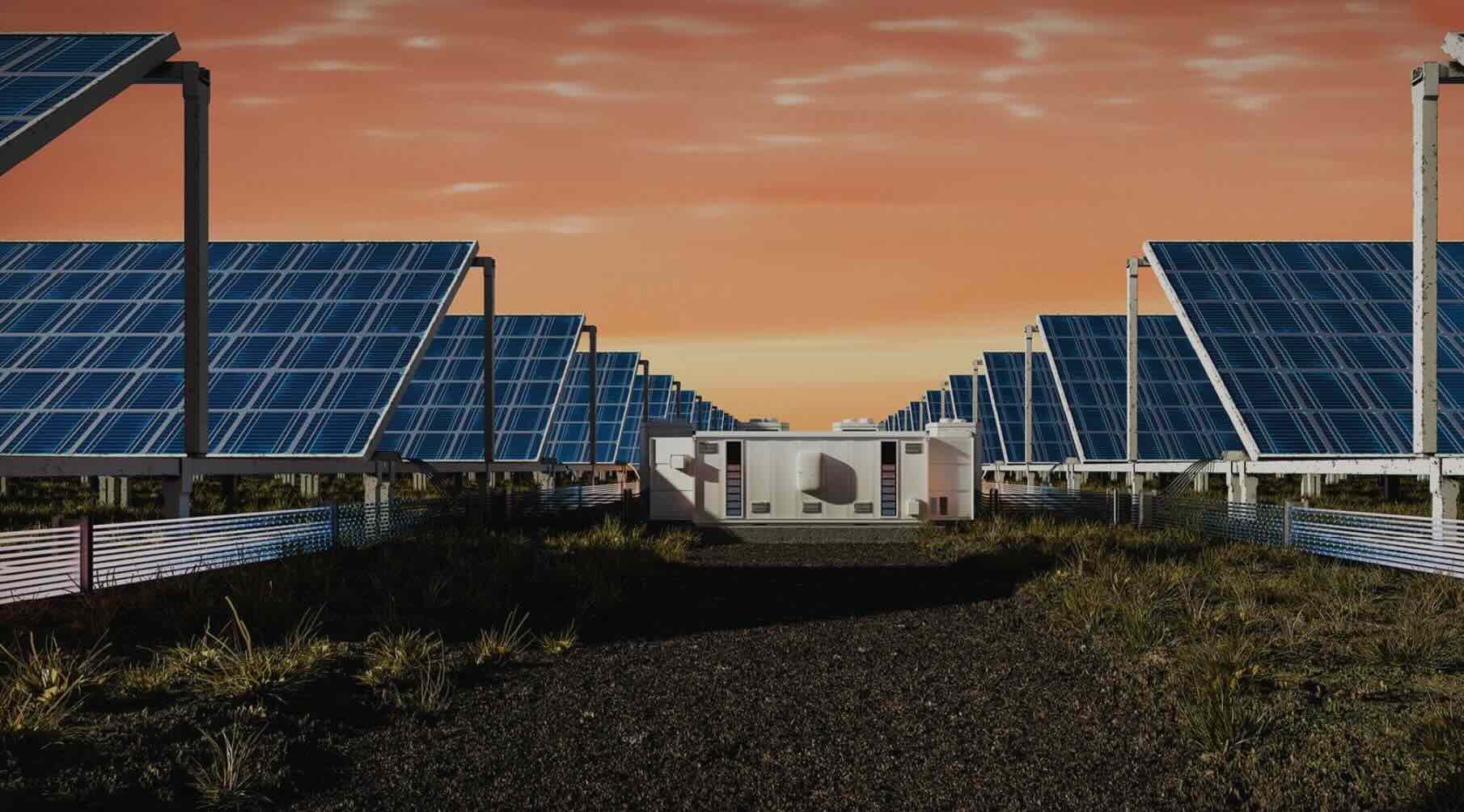
Introducing battery storage has become a norm, with very few purely solar projects being launched in recent years. Instead, older solar farms are being retrofitted to incorporate storage solutions. The process of repowering might happen gradually, as various components are replaced over time without officially labelling the project as reaching its end of life.
Moreover, there’s a potential pivot where the connection may evolve beyond solar energy. Predictions indicate that data centres, aiming for rapid power access, may acquire struggling solar sites primarily for their grid connections.
Decommissioning: An Underexplored Obligation
The second significant point to note is that there’s only one obligation explicitly linked to the life of a solar farm—decommissioning. The requirement to dismantle the infrastructure and restore the land is typically outlined in leases and planning approvals, making it a theoretically fixed obligation. However, this often lacks clarity in practice.
The specifics of funding decommissioning vary widely. Some developers have estimated a cost of around £10 per panel for deconstruction, while others reported a lack of contractual obligations or financial backing regarding these costs.
When developers do secure protections, they often come at the insistence of landowners rather than regulatory bodies. Even with agreements in place, they might amount to little more than paperwork without actual funding. One developer candidly remarked, “I don’t know what the cost of decommissioning is, but it seems no one else does either… which is a major issue.”
The Market’s Influence on Asset Lifecycle
These two insights highlight a troubling reality. Assets, driven by financial imperatives, are frequently sold, hybridised, or modified whenever market conditions change. While decommissioning liabilities are transferred with asset sales, they often remain mere figures in spreadsheets, lacking real financial backing.
Transactions are happening at a rapid pace, with many European developers having divested their portfolios to funds focused on flipping assets. In this scenario, end-of-life becomes merely an accounting figure—questions abound regarding who will ultimately address the decommissioning when the time comes.
One developer confessed, “In 30 years, we won’t even be here… the goal is to sell off all projects; it won’t be our responsibility anymore.” This creates a situation where the financial responsibility could fall on the last owner standing. Observations suggest that owners are not likely setting aside funds for decommissioning and will be caught off guard by potentially hefty costs when they finally arise.
A Need for Immediate Action
The current landscape around operating solar farms lacks incentives for early termination of contracts or decommissioning. Landowners benefit from lease payments, councils receive rates, and the wider community enjoys associated funds. Owners with limited recovery periods find it hard to justify halting operations. One asset manager predicted that the issue of end-of-life will continue to be deferred.
However, postponing these obligations does not resolve the underlying financial implications. An obligation that remains unrealised lacks any dedicated funding or assessment.
This highlights an urgent need for the establishment of frameworks around decommissioning processes, costs, budget allocations, and regulatory rules to be developed sooner rather than later, well ahead of inevitable decisions. Collaborative research at the Arena-funded Australian Centre for Advanced Photovoltaics (ACAP) at UNSW is presently underway to shed light on these pressing issues.
We must now consider whether our focus has been overly skewed toward a distant decommissioning event, neglecting the commercial decisions that are currently reshaping solar assets. Additionally, who will shoulder the decommissioning responsibilities as they arise, and what implications will there be should these obligations remain unaddressed?