Australia’s Largest Solar-Battery Hybrid Project Secures $1 Billion Funding
The northern rivers region of New South Wales is set to see the construction of what will become Australia’s largest solar-battery hybrid energy generator, following the successful acquisition of over $1 billion in funding for the project.
Ark Energy, a company based in South Korea, announced on Friday that it has secured a financial investment decision (FID) for its Richmond Valley Solar Farm and Battery Energy Storage System (BESS), which has been approved by both state and federal authorities. The facility will be located approximately 25 km south of Casino and represents an investment of $A1.3 billion.
Project Details and Capacity
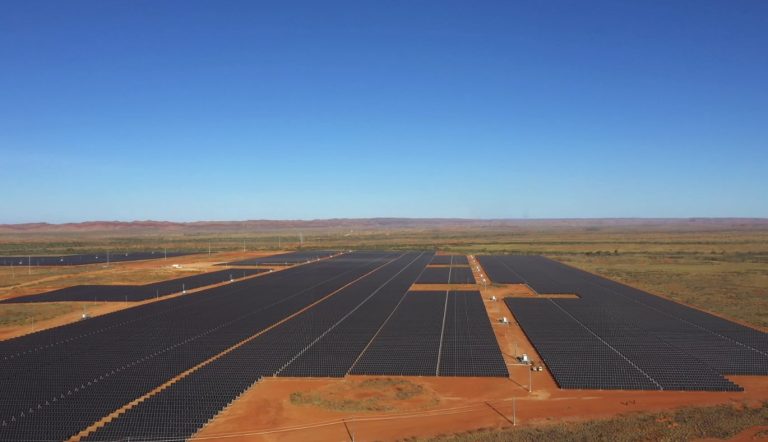
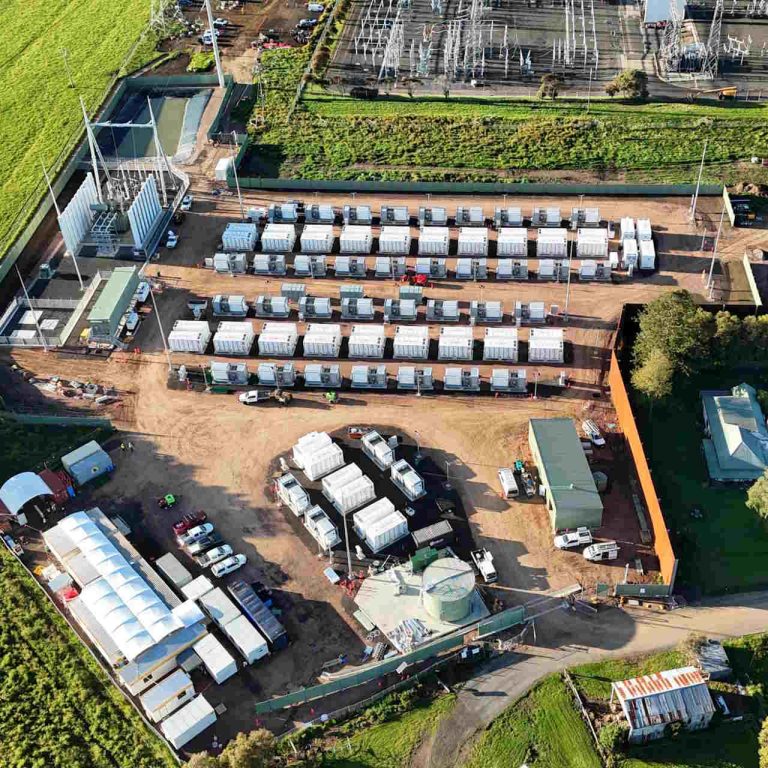
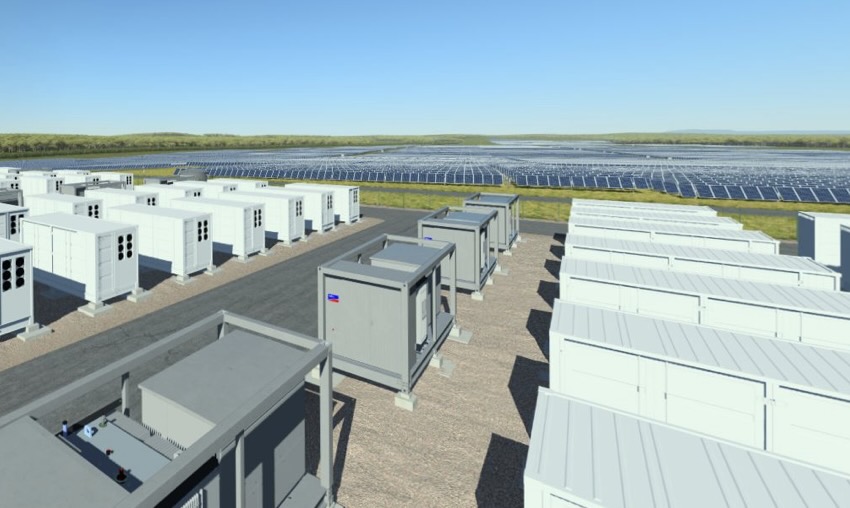
The first phase of the Richmond Valley project will include a 200 megawatt AC solar farm, supplemented by a Lithium-iron phosphate (LFP) BESS that will have a power capacity of up to 275 MW and a storage capacity of 2,200 MWh.
This FID was confirmed at an Extraordinary Board Meeting for Ark’s parent company, Korea Zinc, held in Seoul on 21 July, setting the stage for a financing package comprising $A586 million in equity and $A716 million in debt.
Strategic Importance and Support
Richmond Valley marks the first build-to-own initiative within Ark Energy’s portfolio to achieve FID and has received support from the New South Wales government in the form of a Long-Term Energy Service Agreement (LTESA).
Ark Energy’s recent progress is part of a wider trend, with numerous FID announcements in just the past week, including the first stage of Frontier Energy’s Waroona Renewable Energy Project, which involves 132 MW of solar power and an 81.5 MW BESS with a capacity of 565 MWh.
Additionally, Neoen Australia declared early this week that its 179 MW Narrogin wind farm in Western Australia will begin construction after securing an offtake agreement with the state-run utility, Synergy. Spanish company Naturgy also revealed a financial investment decision on its $500 million Fraser Coast project in Queensland, boasting a combination of 290 MW solar and a 180 MW battery.
Community Impact and Environmental Initiatives
Michael Choi, CEO of Ark Energy, expressed that the funding approval from Korea Zinc is a “strong endorsement” of Richmond Valley’s strategic significance and solid economic prospects. “We are excited to have achieved this significant milestone and are eager to transition the project to the next phase of financial closure and construction,” Choi stated.
Ark Energy has established a supply agreement with Hanwha Energy and signed an Early Contractor Involvement (ECI) agreement with Elecnor Australia for the remaining plant components. The project is anticipated to create over 850 direct and indirect jobs during peak construction and generate around $180 million in local expenditure. Additionally, the initiative includes a community benefit fund of $850 per installed MW of solar for its duration.
In terms of environmental commitments, plans are in motion for the creation of a 30-metre-wide biodiversity corridor and the planting of native species to enhance ecological connections between the nearby Ellangowan and Bungawalbin State Forests.
The goal for financial closure is set for September 2026, with construction slated to commence in October 2026, and operations aimed to begin in January 2029, according to Ark Energy.