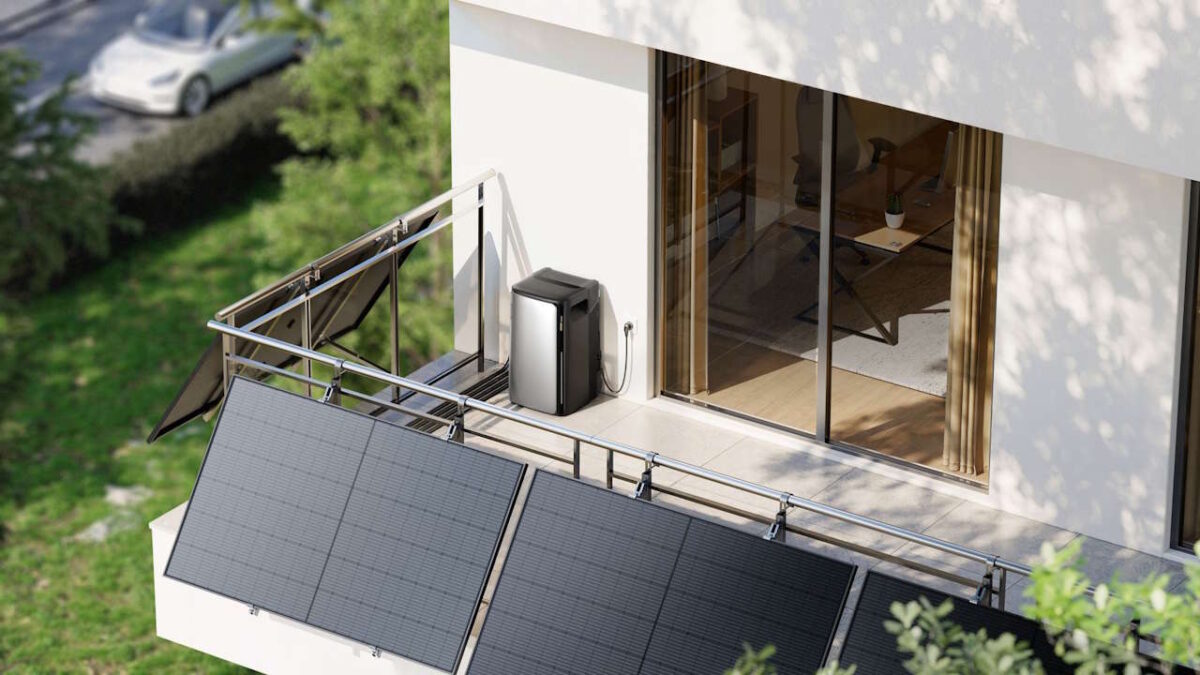
Balcony Solar vs. Building Integrated PV for Apartment Owners
A recent parliamentary inquiry in Victoria has shed light on several pressing issues associated with energy consumption in apartment buildings, highlighting the shortcomings of current energy policies.
One notable topic explored is the role of solar energy in managing the energy costs for residents in high-rise apartments, particularly regarding plug-in ‘balcony solar’ solutions.
The Challenge of Limited Roof Space
High-rise apartment complexes often struggle with minimal roof space available for solar installations. Residents may wish to add plug-in balcony solar panels, which are typically mounted in a near-vertical position. However, an important question arises: how does this impact their energy expenses?
When evaluating annual photovoltaic (PV) output, it may appear that near-vertical installations do not perform well. Yet, this perspective omits a crucial factor—the value of electricity generation during winter can significantly exceed that of energy produced on sunnier days throughout the year.
Examining Energy Output Potential
Utilising the PVWATTS calculator for potential output data, I discovered the monthly generation rates at Tullamarine, close to Melbourne. This analysis indicates that a vertical PV system inclined between north-east and north-west can yield similar energy output to traditional rooftop installations from April through August. Additionally, solar reflection from balconies may further enhance these results.
Financially, integrated PV systems in buildings could prove to be much more beneficial than many realise, especially when addressing the peak energy demands experienced in winter months. As we increasingly turn to electrification, winter presents a formidable hurdle. By connecting balcony solar to compact plug-in batteries capable of storing energy, residents can significantly reduce costs, particularly during late afternoons and evenings when energy prices tend to surge.
Addressing Solar Access Disparities
Many apartment buildings face the dilemma of uneven solar access, as some units—especially those located away from the preferable north-east to north-west orientation or overshadowed by adjacent structures—may experience limited access to sunlight, potentially diminishing their market value.
Virtual solutions provide a possible remedy to this imbalance. The Allume solshare system, for instance, can facilitate the sharing of solar benefits across apartments using both rooftop and integrated PV systems.
Innovations in Funding and Energy Sharing
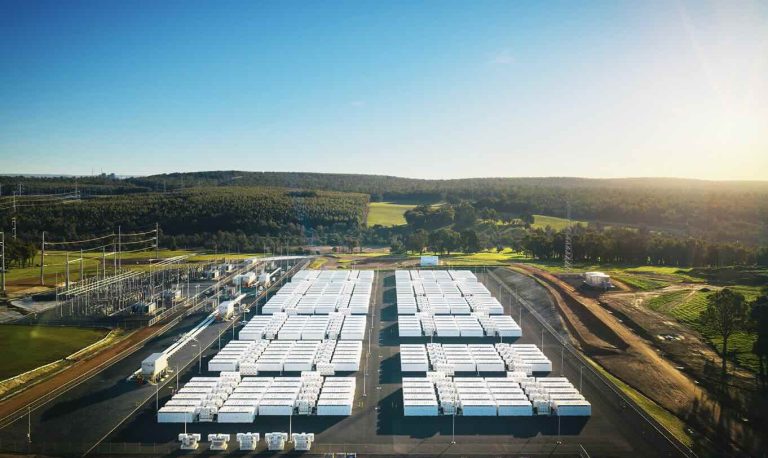
Alternatively, an Owners Corporation or an external entity might consider financing Building Integrated Photovoltaics (BIPV) paired with battery storage. This could lower the overall energy expenses for the corporation and subsequently adjust Owners Corporation fees to benefit apartments lacking optimal solar orientation.
For residents in poorly oriented apartments, innovative virtual approaches may offer an alternative. They could invest in a fractional share of a PV/battery setup in a different building, enabling these apartments to receive income proportional to the difference between the retail price of conventional grid electricity that the PV system displaces, balanced against the expenses of managing the output of the distant system.
This model would operate outside traditional energy markets, functioning as a strictly financial arrangement, helping to counterbalance the decreased value associated with limited solar access.
Alan Pears