CEFC CEO Discusses Funding for Renewable Energy at Tomago Smelter
The leader of the nation’s green bank has indicated that the specifics of transitioning the Tomago aluminium smelter from coal to a renewable energy supply are still being finalised, highlighting the substantial efforts required to unlock the anticipated $10 billion investment.
This week, federal and state governments announced a deal to provide $2.5 billion in funding to safeguard the future of the nation’s largest electricity user, as its longstanding coal contract is set to expire in 2028, followed by a shift to a fully renewable energy supply by 2033.
Details of the Renewable Energy Plan
While extensive details of this initiative remain vague, both Prime Minister Anthony Albanese and NSW Premier Chris Minns highlighted the necessity of a transition without elaborating on the critical contributions expected from government-owned entities, such as Snowy Hydro and the Clean Energy Finance Corporation (CEFC).
Federal Energy and Climate Minister Chris Bowen, however, did confirm critical elements during a recent event at the Tomago site. “We have devised an innovative arrangement with New South Wales, collaborating with our governmental agencies, Snowy Hydro, and the Clean Energy Finance Corporation to facilitate the introduction of renewable energy,” Bowen mentioned.
New Capacity and Existing Projects
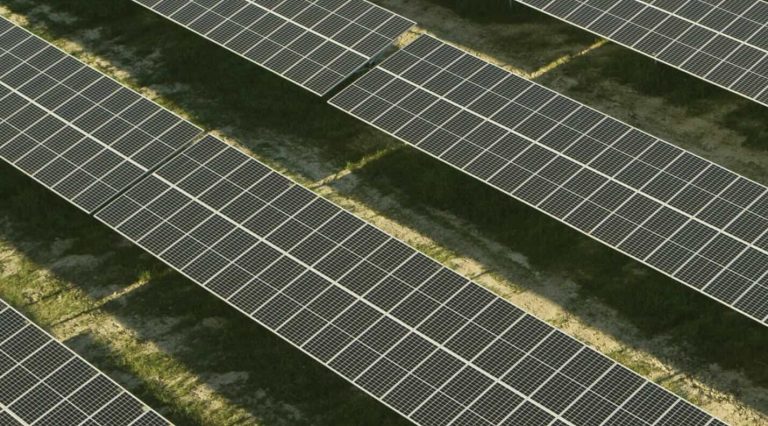
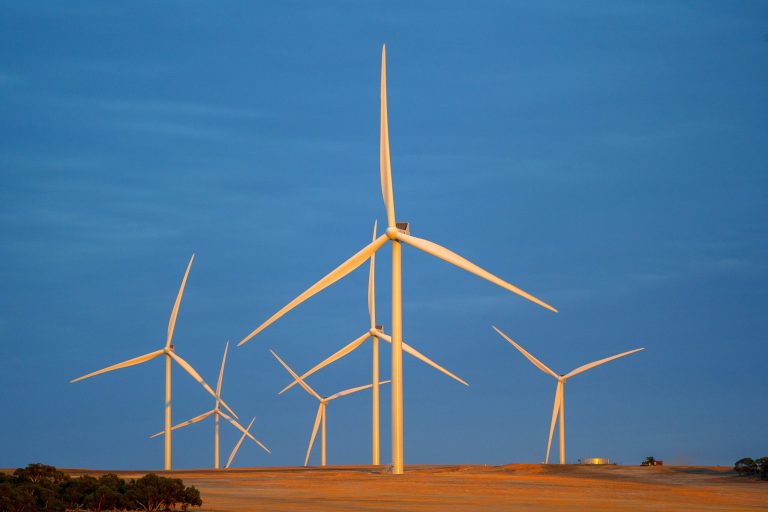
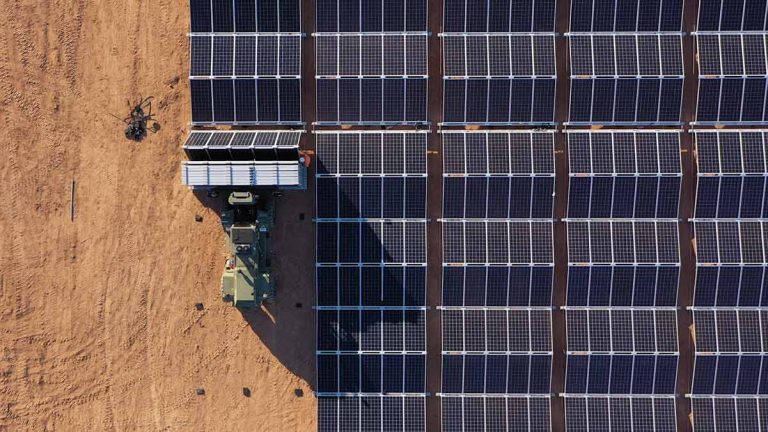
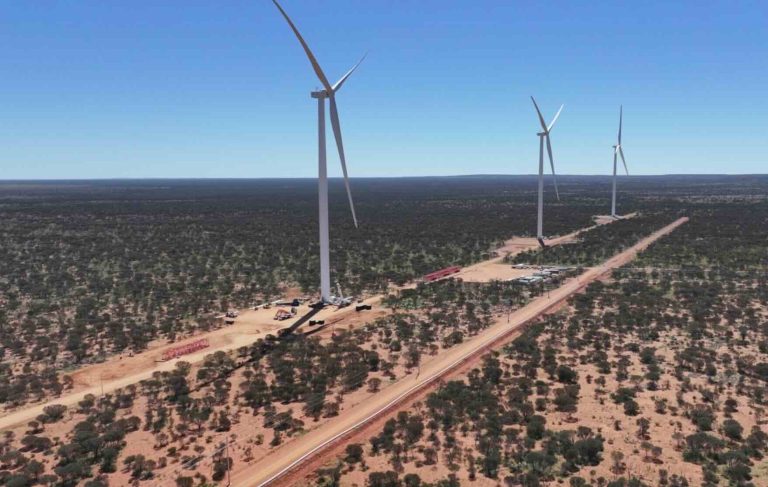
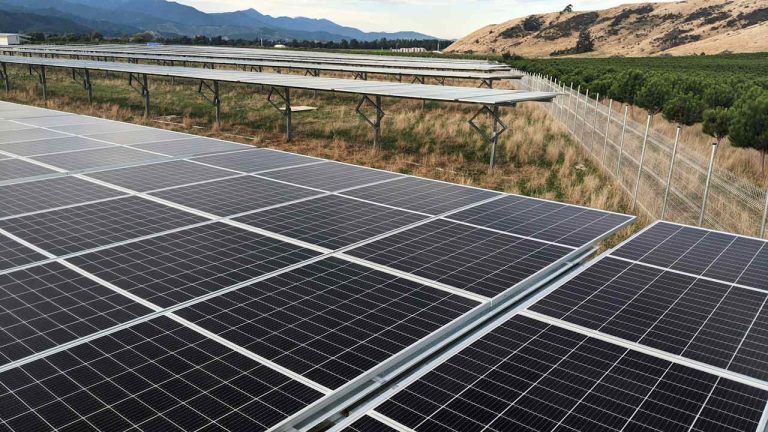
Bowen noted that the transition would involve the establishment of three gigawatts of new capacity, utilising projects that are already in the pipeline and may have environmental approval but have yet to reach their final investment decision. These projects will include wind farms and solar installations, supported by battery storage.
Despite the supportive funding from the government, critical players in this agreement have yet to disclose how their collaboration will unfold. A spokesperson for Snowy Hydro stated, “We are collaborating closely with the Commonwealth to establish commercial arrangements,” adding that the process is still developing.
Ian Learmonth, the outgoing CEO of the CEFC, shared on a recent episode of the Renew Economy’s Energy Insiders podcast that the deal has been in the works for some time. “We have been in discussions with the government intermittently, as this agreement has been a long time coming,” he explained.
Financial Dynamics of the Transition
With approximately $250 million allocated annually over a decade, government funding is anticipated to help bridge the financial gap between Rio Tinto’s willingness to invest in its smelter and the increasing costs associated with new renewable projects—particularly wind energy, which has surged to around $110/MWh.
The CEFC is expected to play an essential role in further reducing this gap through concessional finance, with major renewable stakeholders such as Andrew Forrest’s Squadron Energy hoping that Snowy Hydro’s contracts will be diversified across multiple projects.
Challenges in Project Implementation
Until these new renewable projects come online, Snowy Hydro will be reliant on existing major power generators, such as AGL, Origin Energy, and EnergyAustralia, to meet Tomago’s energy needs, alongside the assistance of government funding.
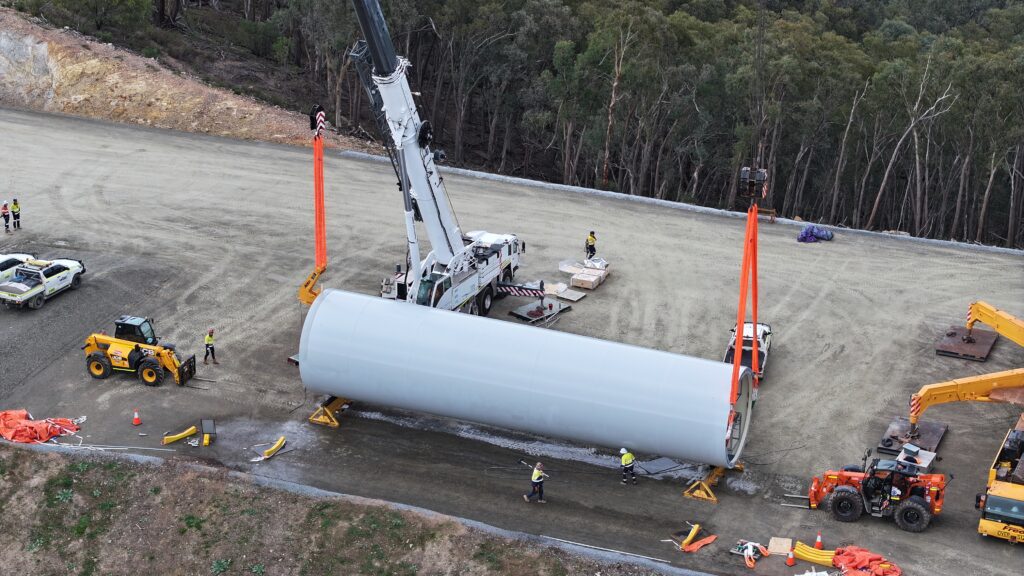
The difficulty of advancing new projects, especially in the wind sector, is underscored by the fact that out of 31 wind projects awarded under the Capacity Investment Scheme, only four have secured financial closure and commenced construction.
Those fortunate enough to have begun construction, like the CEFC-supported Carmody’s Hill wind farm, benefitted from firm off-take agreements. However, the absence of such agreements meant the CEFC could only manage to provide $340 million in financing for wind, solar, and battery projects last financial year.
The Road Ahead for Renewable Energy
When discussing the financing situation, Learmonth acknowledged that this sum might not be substantial. “That’s a fair point,” he concurred, noting that numerous significant wind projects are in the pipeline. “These relate to integrating with new transmission financing that we’ve also been involved with,” he added.
Looking ahead, Learmonth expressed hope that the financing for renewables would increase over the next 24 months as large-scale projects near their final investment decisions. “We expect to see a significant uptick in substantial gigawatt-scale wind farms requiring large banking syndicates amid challenging economic conditions,” he commented.
The key to success for many of these projects lies in securing long-term power purchase agreements, which have been elusive, despite the imminent closures of several coal-fired power facilities, such as Yallourn in Victoria and Eraring in New South Wales.
With the Tomago smelter’s energy requirements approaching 10 terawatt hours, it may alter this challenging landscape, similar to the impact of Rio Tinto’s Boyne Island smelter in Queensland, which has been pivotal in forming numerous long-term power purchase agreements in the state for new renewable initiatives.
“The levelised cost of energy for onshore wind easily exceeds £100 per megawatt hour,” Learmonth noted. “Tomago is certainly not paying that rate. Thus, we are actively collaborating with the government to explore how we can provide flexible, occasionally concessional finance to assist these large-scale projects in bridging that gap.”