Lynas Rare Earths Achieves 95.7% Renewable Energy in March Quarter
Gina Rinehart, known as Australia’s wealthiest individual and a prominent critic of renewable energy, is experiencing firsthand how wind, solar, and battery storage can effectively power mining and industrial facilities while significantly cutting down diesel expenses.
Her investment in lithium miner Liontown Resources has already demonstrated impressive results, achieving an average of 80 per cent of its energy requirements from renewable sources at its off-grid Kathleen Valley mining and processing operations during the first quarter, leading to a considerable reduction in diesel costs compared to other miners.
Significant Leap in Renewable Integration
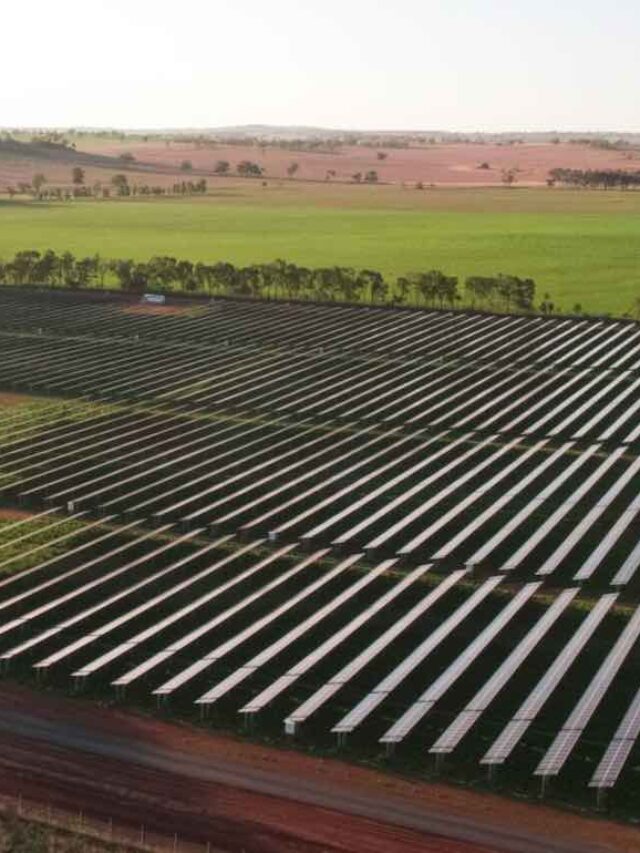
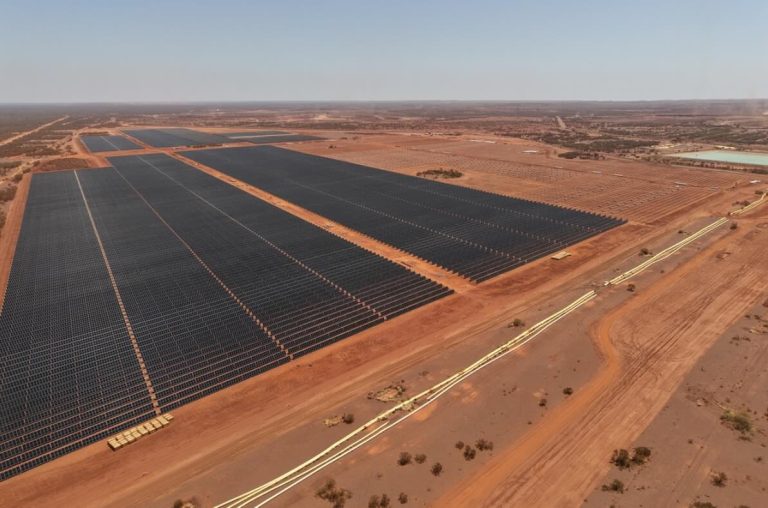
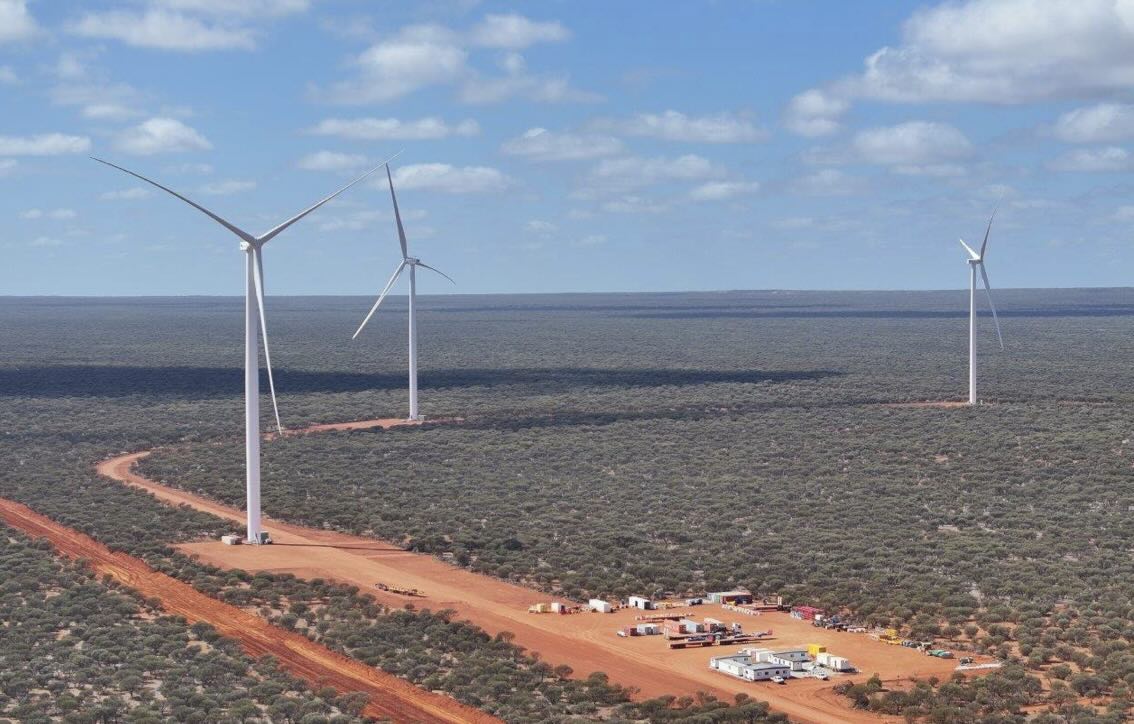
Another mining investment of Rinehart’s, Lynas Rare Earths, has surpassed even this achievement, securing an exceptional 95.7 per cent reliance on renewable energy at its off-grid Mt Weld mining operations in the same quarter. This figure exceeds the previously anticipated 70 per cent integration expected from its newly established hybrid renewable facility, which incorporates 7 megawatts (MW) of solar power, 24 MW of wind energy, and a 12 MW/12 MWh battery system.
The facility, which saw its four 6 MW Goldwind turbines fully commissioned last November, has outperformed expectations, especially with a 92 per cent renewable contribution noted in December. This surge was largely attributed to its ability to generate excess power during the night.
A Shift Towards Sustainable Operations
In the March quarter, the Mt Weld mine achieved a operational status with engines turned off, utilising only two small synchronous condensers, effectively eliminating the use of fossil fuels for energy during certain periods. Lynas highlighted that this transition reclaimed more than 870,000 litres of diesel compared to the same quarter last year, when the facility relied on a diesel power plant. The old diesel generators have since been replaced by a 16 MW gas plant.
CEO Amanda Lacaze expressed her pride in the hybrid renewable power station during a recent earnings call, stating, “Our diesel use now is virtually only in the mining fleet at the Mount Weld site. The renewable power station is delivering significantly more than we had designed.”
She added that the initial projection estimated renewable sources would provide about 70% of their energy needs, yet they achieved an impressive average of 95.7%. This led to a saving of 870,000 litres of diesel in the March quarter alone, positioning them favourably amid current global market challenges.
Future Directions for the Mining Sector
Looking ahead, miners like Lynas Rare Earths, Liontown, and Bellevue Gold are eyeing the electrification of transportation to enhance renewable energy use further. However, it appears they will observe companies like Fortescue Metals Group, which is investing in 400 massive electric haul trucks to meet its ambitious ‘real zero’ target by 2030, rather than spearheading these initiatives themselves.
Fortescue is also advocating for the elimination or capping of the diesel rebate for large mining firms, citing it as an unnecessary subsidy that exacerbates the nation’s reliance on imported fossil fuels.