Bowen affirms 82% renewable target by 2030 is achievable despite wind project delays
Federal energy and climate minister Chris Bowen has reiterated his commitment to an ambitious renewable energy target of 82 per cent by 2030, despite the sluggish progress on crucial wind projects and rising concerns that these goals may not be met.
During a recent episode of Renew Economy’s weekly Energy Insiders podcast, Bowen addressed the state of the government’s climate and renewable policies, particularly in the context of the ongoing global fuel crisis, which some speculate could push for an expedited shift towards green energy.
Commitment to Emissions Reduction Goals
Bowen acknowledged the challenges ahead, noting that the 2035 emissions reduction target is already quite ambitious and hinges on the successful transition to renewable resources. “I would say 82 per cent renewables by 2030 is also ambitious, but I believe achievable… It’s hard work, but not inevitable; I believe it can be done,” he stated during the podcast.
Speculation has arisen that the federal Labor might consider dropping the 82 per cent renewables goal, especially since it was not featured in the broader party platform prepared for the upcoming Labor conference. However, Bowen dismissed this notion as a “media beat-up,” emphasising that the renewables target is vital to the economy-wide goal of reducing emissions by 62 to 70 per cent by 2035.
Potential Changes to Capacity Investment Scheme
Bowen hinted at possible adjustments to the Capacity Investment Scheme (CIS), the government’s flagship initiative, taking cues from New South Wales’ version of the scheme, which is being modified to accelerate the replacement of ageing coal plants. He admitted that “wind has become more expensive and harder,” but also highlighted the significant progress in solar hybrid technologies.
Key Wind Projects Under Review
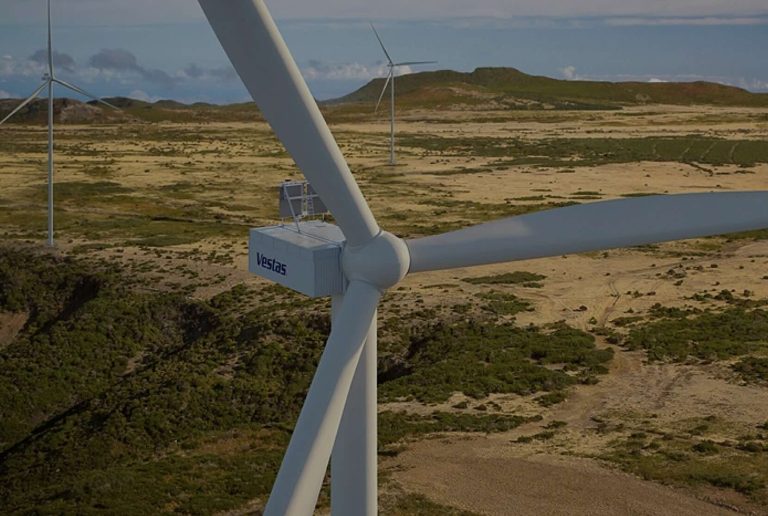
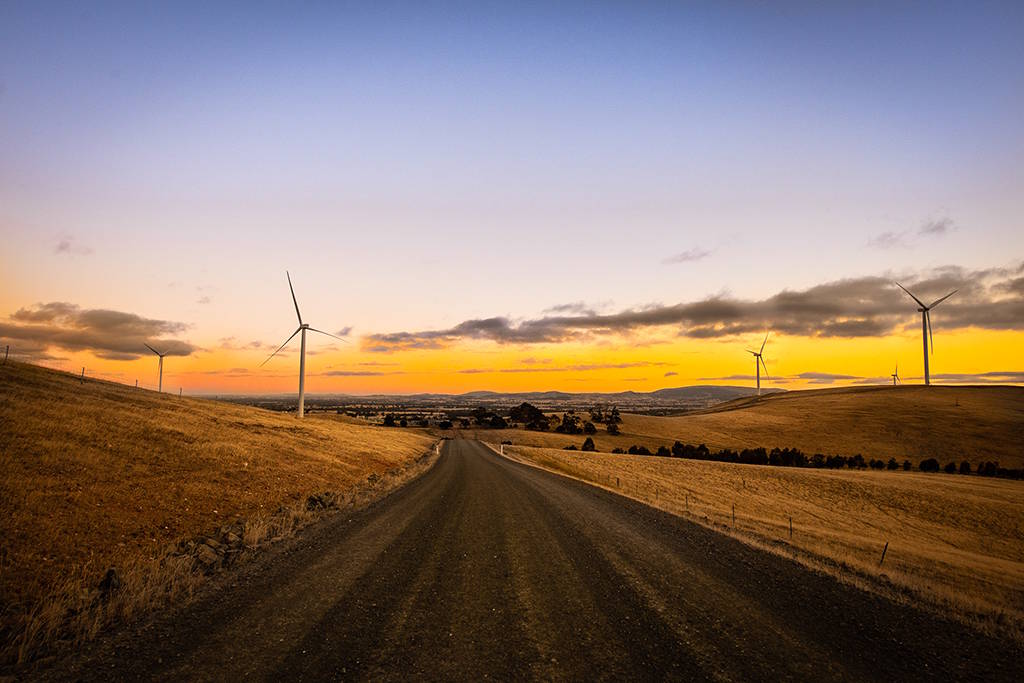
Among the promising developments, Bowen referred to the 830 megawatt Pottinger and 1.5 gigawatt Yanco Delta wind projects, both of which have secured access rights to the newly designated renewable energy zone in south-west NSW. However, the current situation reveals that construction is slow, with only the Uungala wind farm in NSW actively under construction, while projects in South Australia and Victoria have merely begun preliminary works.
In contrast, Western Australia is witnessing greater momentum, with Synergy, the state-owned provider, securing agreements with four wind projects and expediting grid approvals. Andrew Forrest’s Fortescue is also making headlines with plans for the largest remote grid wind project in Australia, aimed at supporting his Pilbara iron ore operations.
Solar-Battery Hybrids Leading the Way
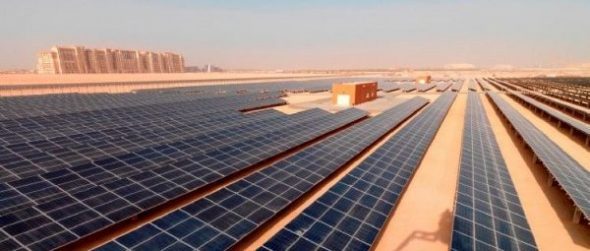
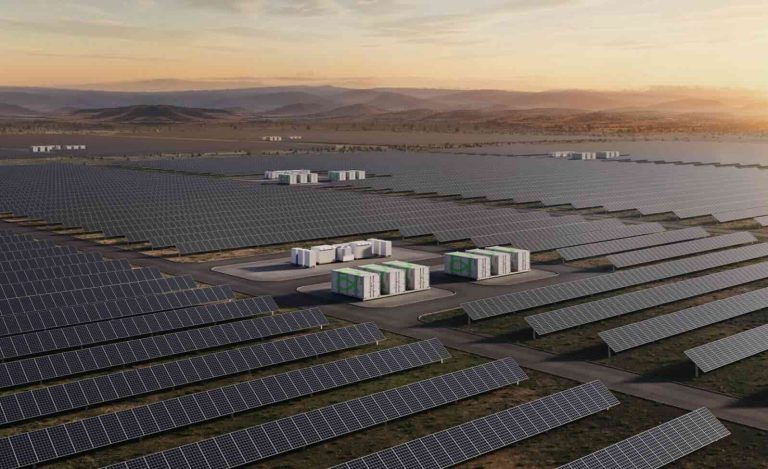
Solar-battery hybrid projects, on the other hand, show significant growth, with nearly twenty projects either under construction or ready to commence, driven by decreasing costs of battery storage and solar, along with a simpler approval process.
In a broad-ranging discussion, which also touched on electric vehicles, potential road user charges, and Bowen’s engagement as “president of negotiations” for the forthcoming UN climate talks in Türkiye, he was asked whether Australia could evolve into an “electro-state” or remain a “petro-state.” Bowen maintained his stance that Australia should aspire to be a renewable energy superpower, thanks to its abundant wind and solar resources and evolving climate priorities.
Bowen noted that many Australians are already making the shift toward renewables, recognising the benefits for their energy bills and security. With one in four new cars now being electric or plug-in hybrids—compared to one in fifty just four years earlier—and Australian households contributing 10 per cent of global battery storage installations in March alone, signs of change are evident.
For those interested in more insights, the complete interview with Chris Bowen can be accessed via the latest episode of the Energy Insiders podcast.