Solar and Wind Power Meet 99% of Global Demand in 2025
New data reveals that unprecedented levels of solar and wind power generation met 99 per cent of the global electricity demand growth in 2025, with Australia at the forefront of this transformation, aided by advancements in battery technology that are enabling solar energy to be harnessed around the clock.
The Global Electricity Review 2026, conducted by energy think tank Ember, reports a remarkable increase in renewable energy output by 887 terawatt-hours (TWh), surpassing the annual electricity demand growth of 849 TWh.
Solar Energy Shines Bright
Solar energy emerged as the standout performer in 2025, accounting for 75 per cent of the net increase in global power demand. Its generation soared by an impressive 636 TWh, reaching a total of 2,778 TWh, which marks a substantial 30 per cent increase from the previous year.
The expansion of solar capacity vastly outstripped that of natural gas, which saw a mere 36 TWh increase, making solar generation 18 times more significant than any growth in fossil fuel source. Additionally, the International Energy Agency (IEA)’s Global Energy Review indicated that 2025 marked the largest ever annual upsurge for any electricity generation technology, with renewables overtaking coal growth for the first time.
Impact of Global Events
In light of recent conflicts in the Middle East, Ember highlights that the solar capacity added in 2025 could replace gas-fired electricity equivalent to all liquefied natural gas exports through the Strait of Hormuz in that year, estimated to be around 550 TWh.
Globally, solar generating capacity has been doubling approximately every three years, positioning it to surpass wind energy for the first time in 2025. Projections suggest that both solar and wind will exceed nuclear capacity by 2026.
Wind Energy’s Record Year
Wind energy also experienced significant growth, with Ember reporting a record-breaking installation of 165 gigawatts (GW)—or 205 TWh—of new capacity in 2025, indicating the highest annual addition in the industry’s history.
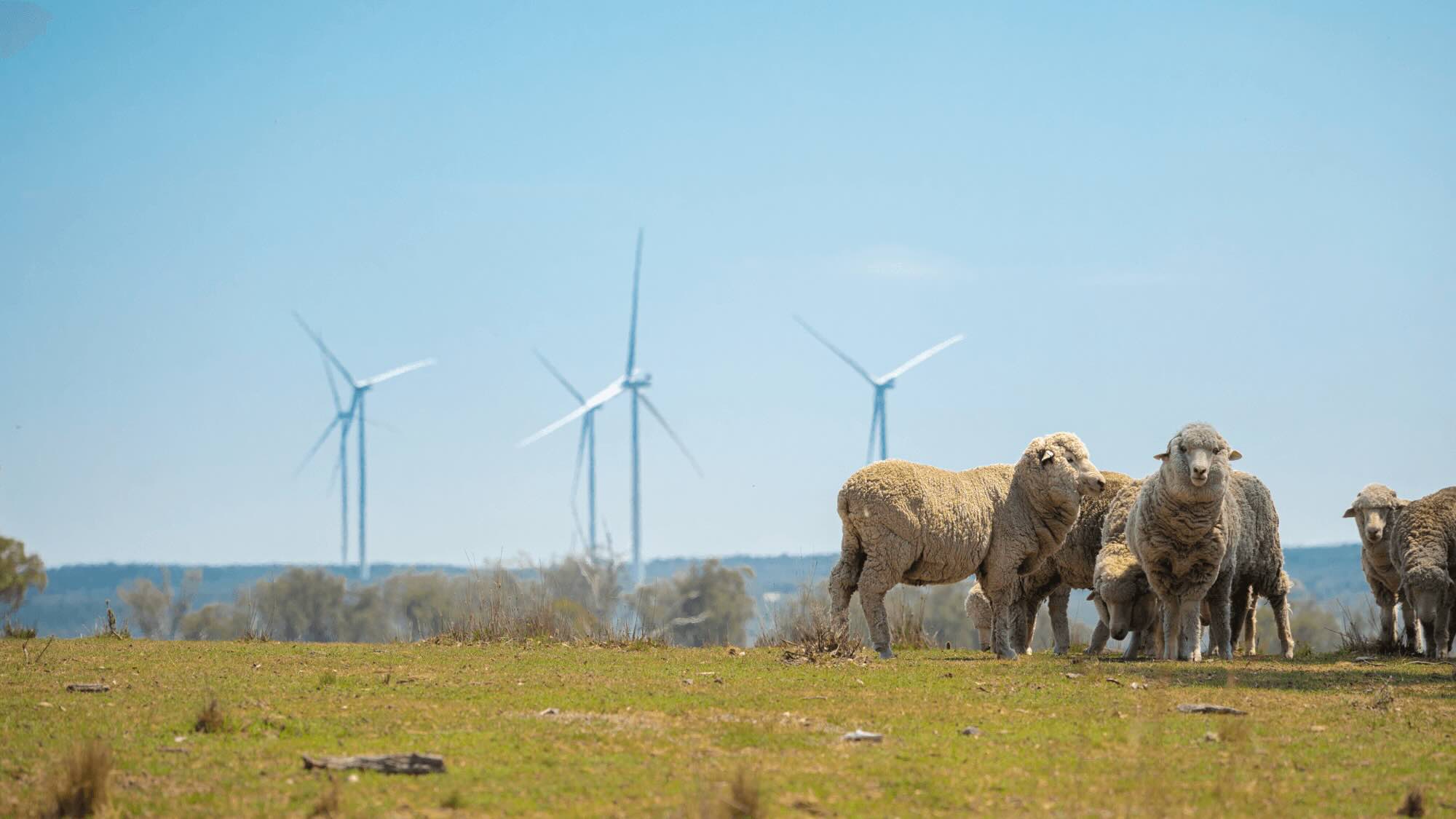
Australia mirrored this global trend, achieving a 43 per cent year-on-year increase as 1,200 wind projects were introduced in 2025, in contrast to 835 in 2024, resulting in a total of 13,515 wind projects by the close of 2025.
The report explains that Australia’s notable increase in wind generation was driven by stronger wind conditions and the launch of major wind farms, including the 412 MW Goyder South wind farm and the 923 MW MacIntyre Wind Farm, the latter being the largest wind project in the country to date.
Future Prospects and Challenges
However, Ember cautions that the number of projects receiving final investment decisions is diminishing due to planning delays, inflation, and community pushback, signalling a potential reduction in future developments.
Collectively, wind and solar now account for over half of all global renewable electricity generation, and when combined with nuclear (8.9%) and hydro, low-carbon sources constituted 42.6 per cent of total electricity generation in 2025, up from 33.5% in 2015.
Conversely, fossil fuel generation dropped to 57.4 per cent, a considerable decline from 66.5 per cent in 2015. This marked the first year since 2020 without a rise in fossil fuel electricity generation and only the fifth occurrence this century.
Battery Storage Revolutionises Power Market
According to Ember, 2025 was also groundbreaking for battery storage as costs fell dramatically, with battery pack prices for stationary storage hitting a record low of $70 per kilowatt-hour—a 45 per cent drop from 2024. This development enabled dispatchable solar combined with battery storage to be supplied at around $76 per megawatt-hour (MWh).
This cost-effective solution now stands in stark contrast to the price of constructing new gas power plants, particularly for nations dependent on expensive liquefied natural gas imports.
Explosive Growth in Battery Capacity
Globally, battery storage capacity saw a remarkable 46 per cent increase from 2024, reaching an estimated 247 gigawatt-hours (GWh)—enough to transfer about 14 per cent of global solar generation from daylight hours to other times.
The IEA has classified battery storage as the fastest-growing technology in the power sector in 2025, with approximately 110 GW of new capacity added throughout the year, surpassing previous annual additions for natural gas.
Ember anticipates that 2025 marks the tipping point for batteries, evolving from a supportive service to essential infrastructure capable of storing excess daytime energy for evening and nighttime use.
Australia at the Forefront of Energy Transition
Australia is hailed as a leader in this transformation, alongside Chile, as both nations demonstrate the ability to repurpose at least 50 per cent of their new solar capacity with battery integration, turning solar power into a near-continuous resource and offering a cost-effective solution to meet surging electricity demand.
The report indicates that while Australia and Chile have added modest amounts of battery capacity in absolute terms (9 GWh and 4 GWh respectively), these additions are significant relative to their solar expansions, illustrating a considerable impact on energy markets.
Australia exemplifies how large-scale battery deployment can restructure electricity markets effectively. In the last quarter of 2025, during peak evening hours (18:00-20:00), batteries influenced pricing 36 per cent of the time—up from 18 per cent in late 2024—displacing gas and hydro as the primary price setters.
This shift resulted in reduced price volatility and average spot prices of around $100 per MWh during peak hours, less than half of the average spot prices a year earlier, leading to an overall reduction in wholesale prices.
These trends illustrate that batteries are already providing significant system advantages by cutting reliance on costly fossil fuels and stabilising prices during peak demand.
Ember’s managing director, Aditya Lolla, proclaimed, “We have firmly entered the era of clean growth. Clean energy is redefining the basis of energy security amidst global volatility, helping countries lessen their dependency on fossil fuel imports and manage rising electricity demands.”