Fortescue’s Quick Shift from Fossil Fuels to Renewables: Will Others Follow?
Fortescue, the iron ore and green energy enterprise led by Andrew Forrest, has faced criticism for its unmet aspirations regarding green hydrogen, often dubbed “hopium.” The company’s ambitions for hydrogen emerged at a time when the technology and market weren’t adequately developed.
However, a notable shift is occurring, not in the hydrogen sphere, but in the realm of completely renewable power and comprehensive electrification. Fortescue is set to make significant strides in a powerful transformation, responding to the urgent call to “electrify everything.” The mining giant is now aiming to eradicate fossil fuels from its extensive Pilbara operations by the end of this decade, an ambitious goal that reflects newfound confidence in their approach.
Transitioning Away from Fossil Fuels
Forrest’s vision includes the fast-tracking of this transition, which could potentially be realised within three years. The current landscape has shifted favourably with the decrease in renewable energy costs, particularly in battery storage, as fossil fuel prices surge, drastically influenced by the geopolitical tensions surrounding Iran, exacerbated by Donald Trump’s administration.
Australian miners are already feeling the repercussions of the fossil fuel crisis, with diesel prices soaring by nearly 50% and long-term supply uncertainties. However, companies like Bellevue Gold and Liontown Resources, which have embraced renewables over fossil fuels, are reaping the benefits. They currently derive 80 to 90 percent of their energy from wind and solar, and they have yet to commence their electrification efforts for transportation.
Fortescue’s Unprecedented Plans
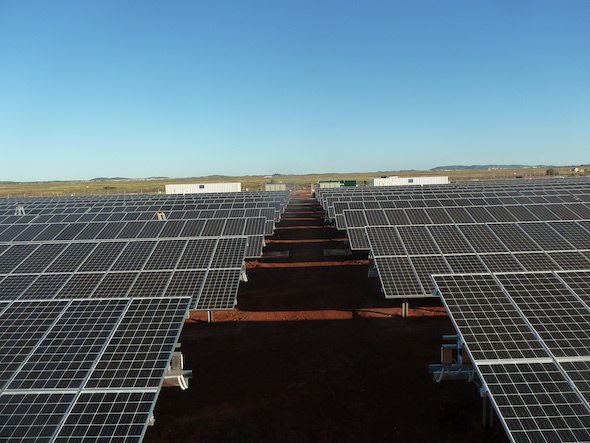
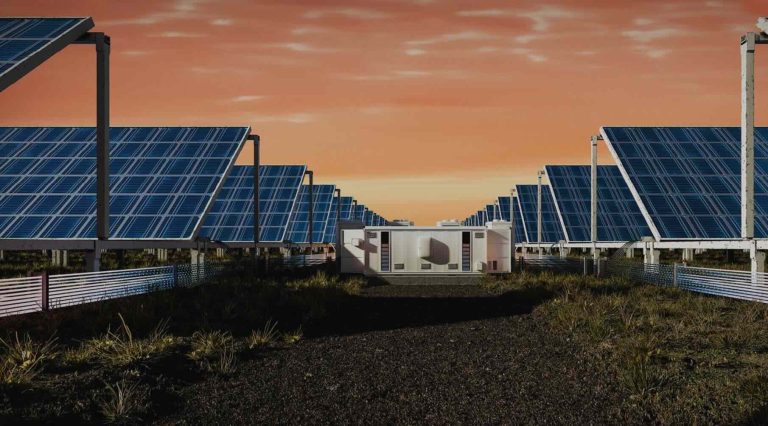
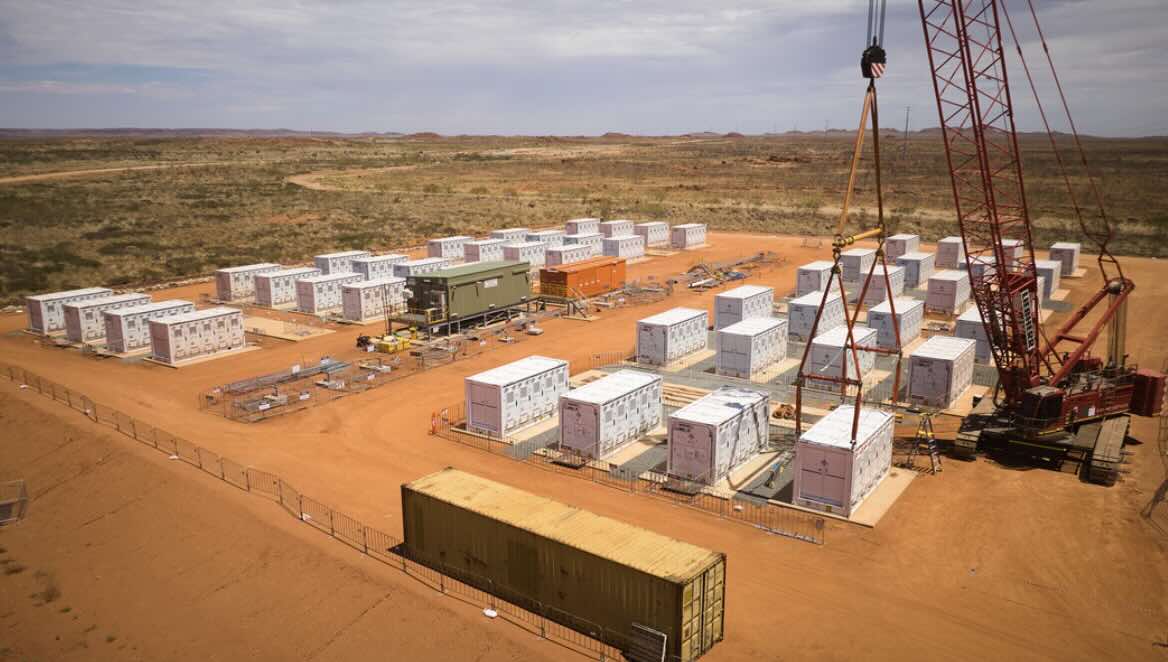
What Fortescue is undertaking vastly surpasses these efforts; its planned investments in wind, solar, and storage are an astounding hundred times greater than those of Bellevue or Liontown. The goal is complete diesel elimination from all mining operations, including earth-moving machinery and an extensive fleet of heavy haul trucks. Recently, Fortescue revealed that its upcoming “green grid,” which will include 2 gigawatts (GW) of wind and solar, supported by 4.5 gigawatt-hours (GWh) of storage, will be operational ahead of schedule, potentially two years earlier than anticipated.
Monitoring the progress of delivering electric haul trucks—each weighing 240 tonnes—will play a key role in determining if fossil fuel consumption, which currently reaches about 700 million litres of diesel annually for the company, can be fully eradicated before the 2030 deadline. CEO Dino Otranto asserted that making this switch is not just viable but economically sound, stating, “You cannot argue with those economics—it’s a complete no-brainer.”
Industry Skepticism and Opportunity
Despite Fortescue’s assertive advancements, much of the mining sector remains doubtful, with giants like BHP and Rio Tinto asserting that the necessary technology is not yet mature enough. Otranto questioned this divergence, suggesting that a lack of proactive investment reflects an industry vulnerability to external influences on supply chains. He expressed the pressing need for Australian miners to seize the opportunity for innovation and sustainability.
Otranto further noted a tendency towards conservatism when it comes to capital investment in mining operations. This has resulted in a disparity in company valuations compared to the tech sector, where firms with similar revenue levels are often valued far higher. He emphasised the importance of leveraging technology and data to reduce risks in capital deployment, which he believes positions Fortescue uniquely to create sustainable, long-term assets beyond traditional mining life.
A New Era for Energy Supply
By harnessing advancements in solar technology, battery efficiency, and even pioneering wind solutions through its acquisition of Nabrawind, Fortescue is poised to deliver low-cost energy to the market more efficiently than ever. The company’s projected multi-gigawatt solution, showcasing 2 GW of renewable capabilities backed by 4 GWh of battery storage, is estimated at less than $2.5 billion.
While Otranto refrained from disclosing specific megawatt-hour pricing due to ongoing negotiations, it seems plausible that their levelised cost of energy (LCOE) could hover around $100/MWh or less, presenting an attractive internal rate of return.
Fortescue’s green grid may also seek collaboration with large data centres or look towards green iron ventures. Intriguingly, with BHP divesting its energy interests into a joint venture with Blackrock, and Rio Tinto contemplating a similar path, they could potentially become customers of Fortescue’s energy solutions.
Such shifts could herald the end of the corporate feudalism that has long characterised the construction of energy and rail infrastructure within the industry, paving the way for a more interconnected and sustainable future.