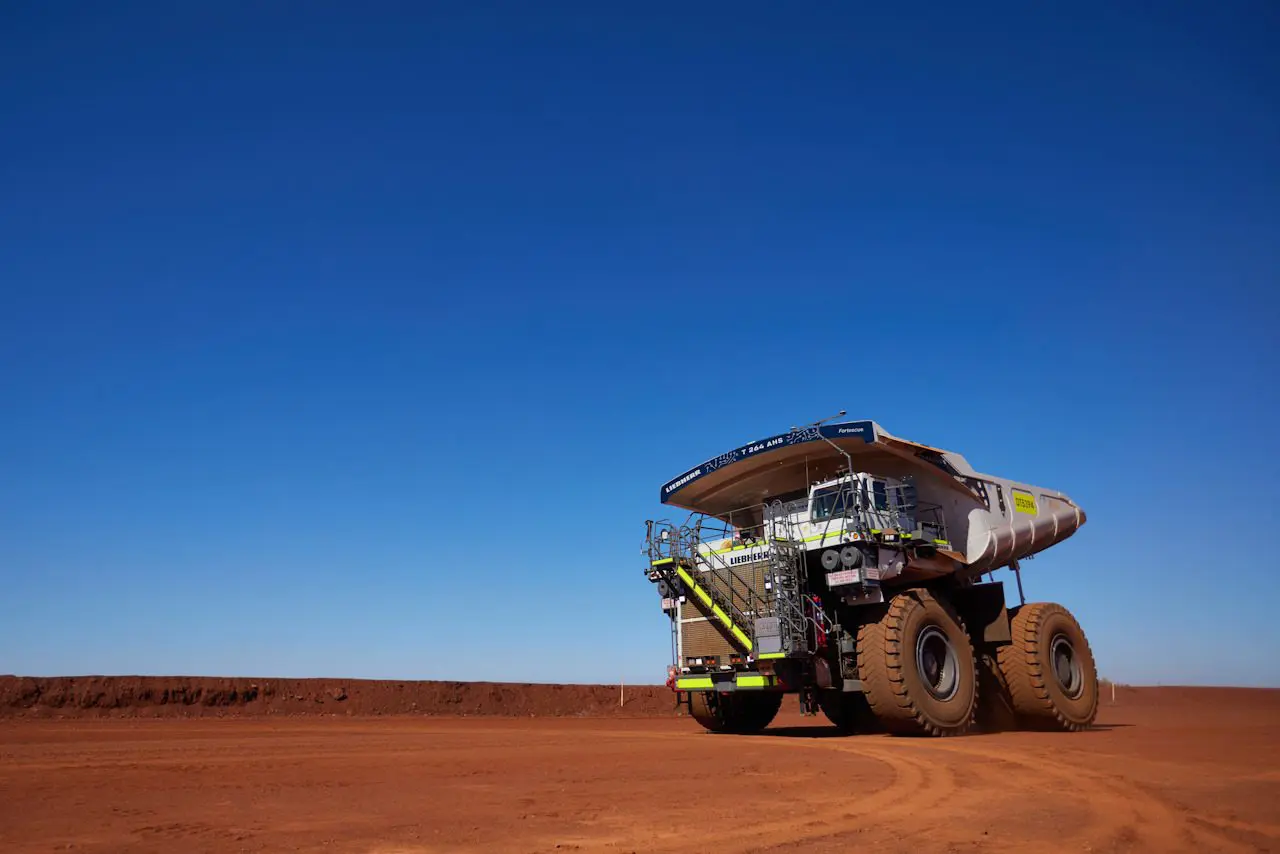
Fortescue’s Electric Truck Plans: Do They Make Financial Sense?
Fortescue has pursued several costly missteps in its quest for decarbonisation, particularly with regards to green hydrogen. Nevertheless, their plans for renewable energy in Pilbara, especially the shift from diesel-powered trucks to electric ones, appear promising, potentially yielding a pre-tax internal rate of return (IRR) nearing 16 per cent.
ITK anticipates that Chinese suppliers will offer competitive pricing, leveraging the substantial market opportunity, with Fortescue serving as a flagship project.
Investment and Capital Expenditure
In assessing the capital expenditure (capex), two scenarios were examined: one featuring notably low figures from Fortescue’s latest press releases and a second set that, while more cautious, still provides insight into the potential savings. The conservative projections presented in the main analysis indicate savings on the higher end of Fortescue’s estimates, and for a desktop study, these results are quite reasonable. A deeper analysis would likely uncover even more conservative predictions.
The electrification of trucks is crucial to making the project economically viable. While employing solar and wind energy to supplant existing gas generation is beneficial, it is unlikely to independently achieve a strong IRR. The advantages of electrifying trucks, however, are particularly compelling. Notably, the competition between in-truck battery systems and battery-swapping options could see battery swapping prevail in this context.
Key Risks and Financials
The major financial risks include the performance of wind turbines—still relatively untested commercially in high-wind environments—and the budget overruns of the Iron Bridge magnetite project, which has already seen substantial delays. Additionally, while the costs associated with transmission infrastructure could be underestimated, it is improbable they will severely impact the overall financial picture.
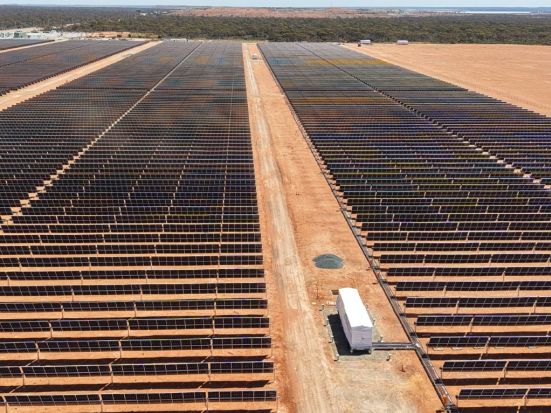
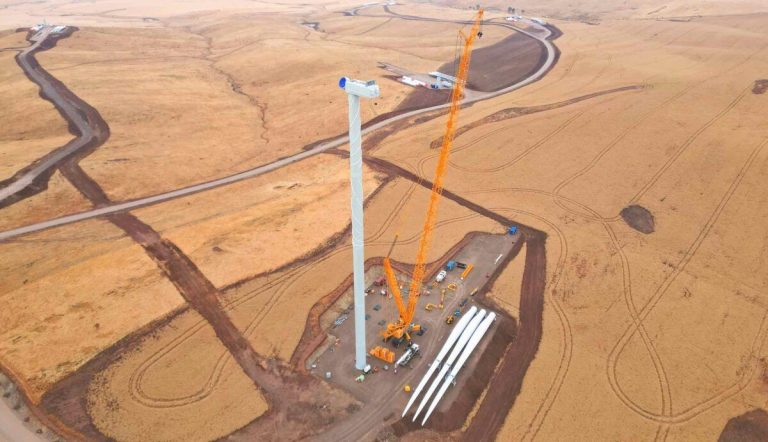
Fortescue is set to invest approximately A$4 billion in constructing 1.2 GW of solar capacity, 0.6 GW of wind power, 700 km of transmission lines, and some battery systems. This investment aims to replace about 13 PJ of gas previously consumed across various operations including Hematite and magnetite processing.
Drivers of Efficiency
In contrast to traditional gas systems, ITK’s estimates suggest that if electric trucks can be brought to market at prices similar to their diesel counterparts—an assumption that seemed far-fetched until recent developments—then substantial annual savings of around A$0.5 billion could be realised, based on current electricity and diesel prices.
As Fortescue electrifies its fleet, there lies an opportunity to rectify financial challenges faced by the Magnetite plant, which has struggled with operational inefficiencies related to water supply pipelines and high operational costs in air separation techniques. The dry method of processing ore has resulted in significant capital overruns, escalating from an initial US$1.9 billion to over US$4 billion, delaying the plant’s operational output capacity until at least 2028.
Electric Truck Fleet and Infrastructure
Currently, Fortescue’s operations involve a staggering annual diesel consumption of around 700 million litres, positioning it as one of Australia’s largest diesel consumers. The diesel fuel, brought in from Singapore and transported to mine sites, means every variation in price dramatically impacts operational costs.
Fortescue has made commitments to purchase 360 battery-electric haul trucks from Liebherr and XCMG, along with over 100 ancillary electric vehicles. The expected distribution of these trucks across the various sites reflects anticipated production rates and logistical requirements.
Operational Economics of Electric Trucks
The economics of electrification are compelling. The cost of operating an electric truck significantly undercuts that of a conventional diesel truck. For instance, under current market conditions, fuel and maintenance savings for each electric truck are projected to reach approximately A$1.4 million annually.
The total investment in transitioning to electric trucks, including infrastructure for fast charging and battery swapping systems, is projected to be about A$1.3 to A$1.5 billion, suggesting a fleet-wide payback period of approximately 2.6 to 3 years. This includes upfront costs for charging infrastructure estimated between A$400 million and A$600 million.
Renewable Energy Integration and Future Outlook
The renewable energy approach aims to address the inconsistencies between generation and demand, particularly during periods of low wind. The backup gas system will remain a critical component to ensure reliability during high-duration low-generation events.
Moreover, Fortescue’s strategy incorporates spare battery packs at swap stations, which acts as a flexible energy resource, enhancing the resilience of the renewable system and offering additional energy storage to balance supply and demand.
Aiming for zero diesel use by 2030, Fortescue’s ambitious plan involves several key milestones over the next few years, including partnerships for electric truck manufacturing and phased integration of electric vehicles across operations. This significant leap towards a more sustainable mining operation holds great promise for both economic and environmental benefits.
The anticipated transition towards electric-powered vehicles stands to revolutionise operations in Pilbara, driving down costs while supporting environmental sustainability efforts.