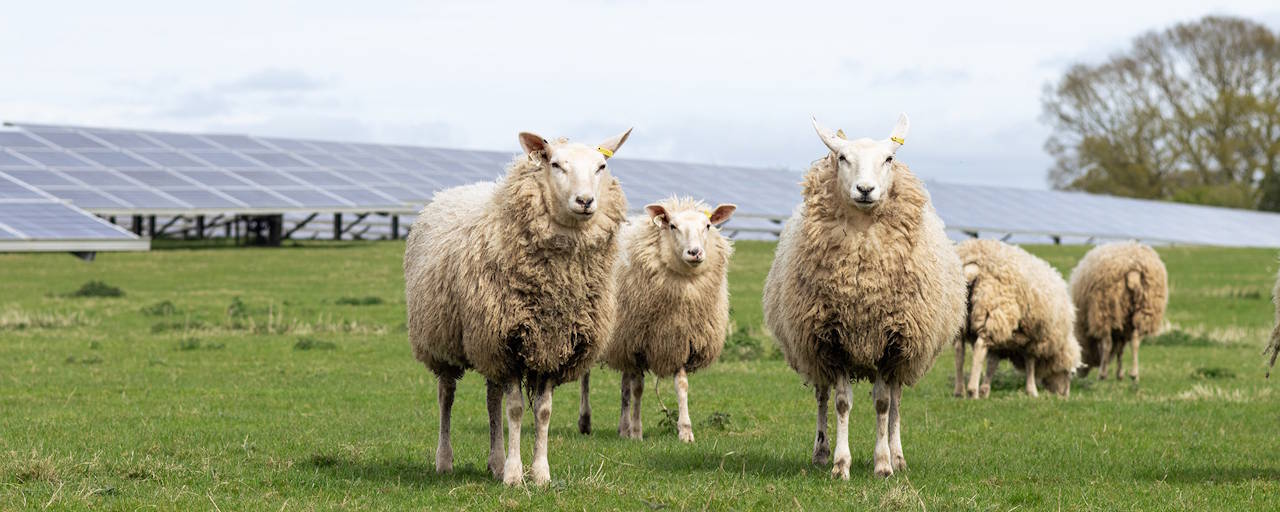
UK Labour Approves Largest Solar Farm Amid Local Opposition
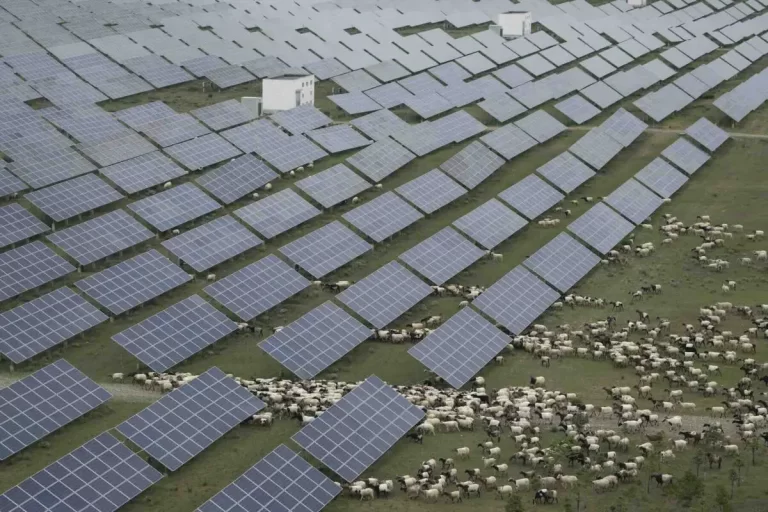
A solar initiative, set to be the largest in the UK, has received approval for development despite ongoing local dissent, largely supported by the right-wing populist party Reform UK. The Springwell Solar Farm, boasting an impressive 800 megawatts (MW) of capacity, is slated for construction in North Kesteven, Lincolnshire.
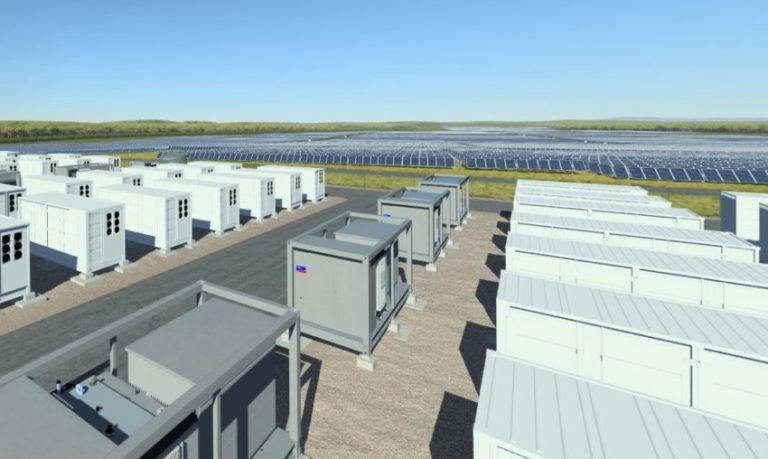
Last week, the UK Labour government greenlit the project, marking it as the 25th significant clean energy endeavour endorsed since the party assumed power in July 2024. This project is expected to generate enough electricity to supply around 180,000 homes annually, which is roughly half of the residences in Lincolnshire. Additionally, it will include a battery storage component, although detailed specifications regarding its size and capability remain under wraps.
Progress Towards Construction
The development consent order (DCO) obtained will pave the way for the project’s advancement towards construction, following extensive consultations with local communities and various stakeholders that commenced in November 2024. Matthew Boulton of EDF Power Solutions, the developer working in collaboration with Luminous Energy, expressed gratitude for the governmental approval, highlighting the constructive engagement from the public during the review process.
“This decision is an important step forward for Springwell Solar Farm,” stated Boulton. “Our commitment to partnering with local communities remains steadfast as we work to minimise construction impacts while delivering enduring benefits to the region.”
Government’s Rationale Behind Approval
The UK’s Department for Energy Security and Net Zero has underscored the necessity of proceeding with the Springwell project amidst the global upheaval of fossil fuel markets, influenced by various geopolitical factors such as the Russian invasion of Ukraine and ongoing conflicts in the Middle East.
UK Minister for Energy, Michael Shanks, affirmed that transitioning towards homegrown clean energy is paramount for safeguarding the British populace and stabilising energy costs. “Solar is among the most economical energy sources available, and by investing in it, we can lessen our dependency on volatile international fossil fuel markets,” he explained.
Local Concerns and Opposition
Despite the government’s backing, there is considerable local discontent regarding the project’s scale, which is projected to impact ten nearby villages. Covering an expanse of 1,280 hectares (3,163 acres)—equivalent to about 1,700 football pitches—the site has prompted objections concerning the loss of arable land, landscape alterations, and lithium-ion battery safety.
Marc Williams from the Springwell Solar Action Group expressed his frustration, labelling the decision as a severe blow to democratic accountability. He emphasised that energy secretary Ed Miliband disregarded the sentiments of local residents, asserting that the construction would devastate a significant area.
However, claims regarding the destruction of “4,000 acres” are misleading. Of the 3,163 acres earmarked for the project, nearly half will host above-ground infrastructure, while the rest is designated for recreational and ecological purposes, with considerable land remaining available for agricultural activities throughout the project’s duration.
Community Benefits and Future Plans
Boulton from EDF Power Solutions confirmed that the development will also feature the construction of 12 km of new footpaths and the planting of over 15 km of hedgerows. Furthermore, a community benefit fund will allocate £400 for each megawatt of installed capacity to support local initiatives.
Nevertheless, opposition persists, with Dame Andrea Jenkyns, the mayor of Greater Lincolnshire, voicing her deep disappointment regarding the government’s approval. She is contemplating a legal challenge to halt the construction, having already consulted with legal experts on the feasibility of pursuing a judicial review.
Jenkyns, representing Reform UK, vowed to continue fighting against the project, stating, “I’m not going to just step aside with this; I’m going to fight right to the end to try to make sure this doesn’t happen.”