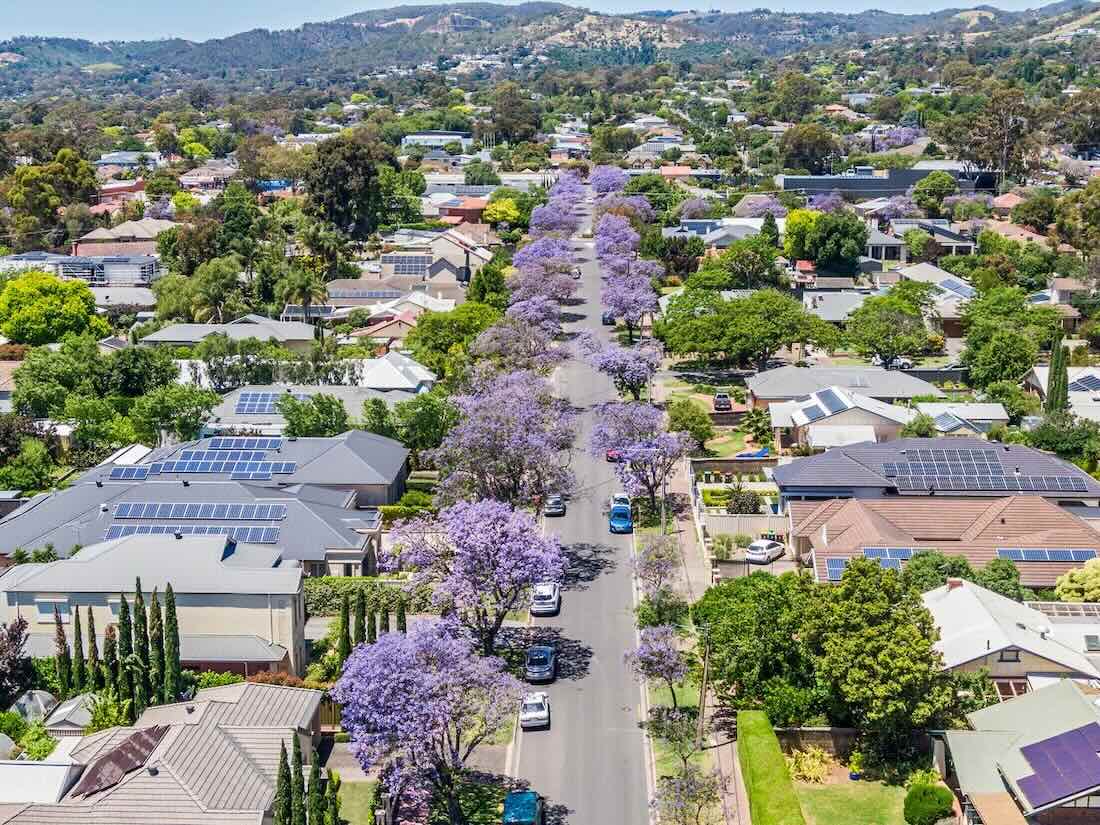
Households Drive Affordable Electricity Transition, AEMO Calls for Renewable Action
A recent report confirms that enhancing solar, wind, and storage capabilities, linked through fortified transmission and distribution networks and supplemented by minimal gas reserves, represents the most cost-effective method for addressing a near doubling of electricity consumption while simultaneously phasing out coal and reducing energy emissions.
The Australian Energy Market Operator (AEMO) has unveiled the conclusive version of its 2026 Integrated System Plan (ISP), serving as a biennial roadmap detailing the optimal development path (ODP) to align with consumer electricity demands and government energy policies extending to 2050.
Renewable Energy Targets
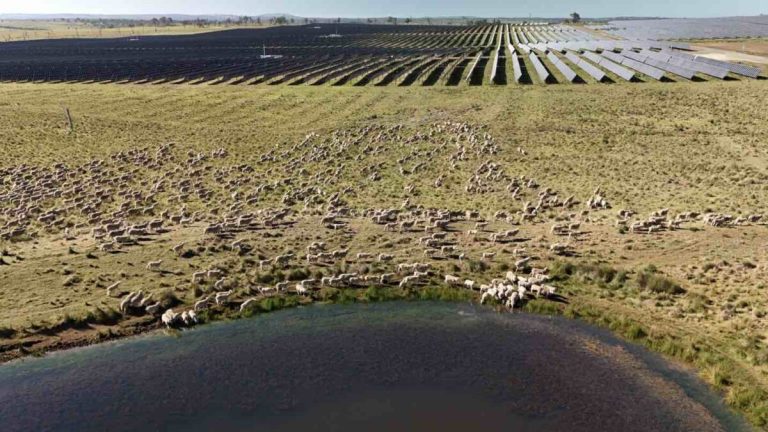
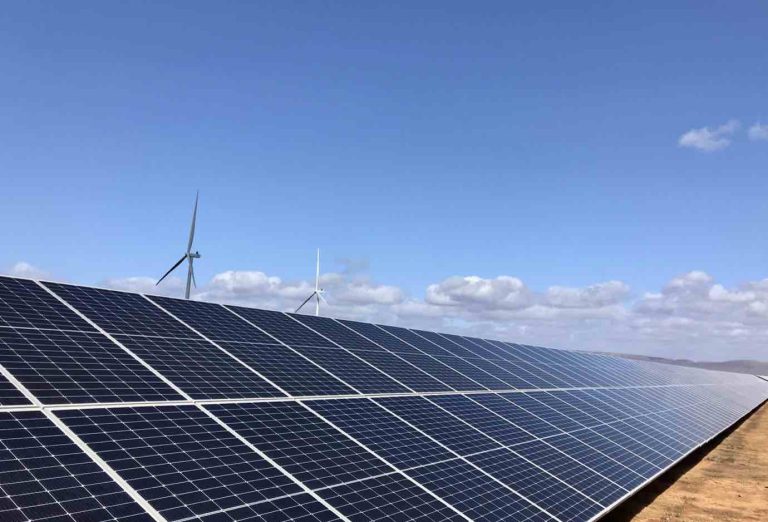
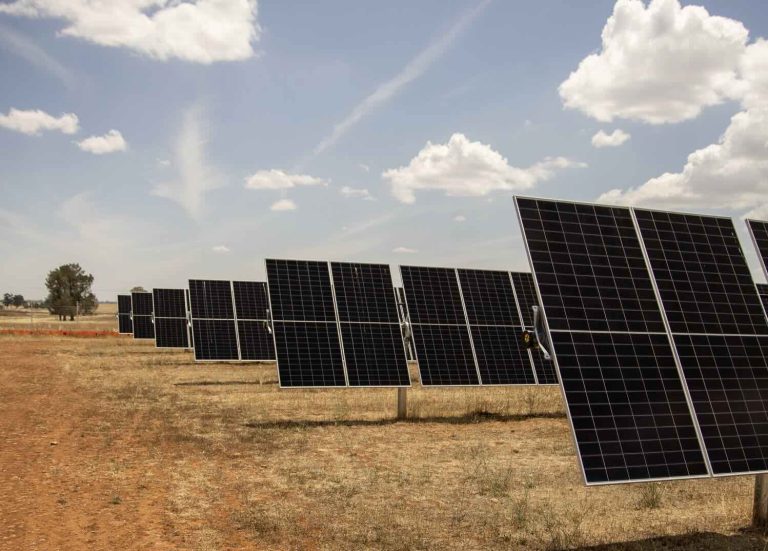
AEMO asserts that, by adhering to this least-cost trajectory, Australia can achieve its national goal of 82% renewable energy by 2030, escalating to an impressive 98% by 2050. This ambitious target will rest on approximately 120 gigawatts (GW) of utility-scale wind and solar energy—around fivefold the current capacity—alongside nearly 50 GW of utility-scale storage and hydro resources.
In support of this strategy, an additional 17 GW of flexible gas generation will be required, up from roughly 8 GW of existing peaking plants. Furthermore, Australia’s extensive 44,000 km transmission network will need to expand by 6,000 km to facilitate these changes.
Coal’s Decline
In stark contrast, coal is on a downward trajectory, with the majority of the National Electricity Market’s (NEM) remaining coal operations expected to cease by 2038, and a full exit projected by 2049. The timeline for this closure has been significantly extended from earlier estimates as a result of the Queensland LNP government’s decision to maintain coal operations for as long as feasible.
Financial Implications of the Transition
The financial outlay for this transition is estimated at around $106 billion, according to AEMO, which includes approximately $6 billion earmarked for transmission, $3 billion for system security investments, and roughly $97 billion allocated across generation, storage, firming, and distribution developments.
Notably, key adjustments since the 2024 ISP—which was initially budgeted at $122 billion—were prompted by plummeting solar and battery prices, rising transmission and wind costs, and heightened growth in consumer energy resources. AEMO, however, has mitigated some of these increases with a significantly reduced cost of capital that better reflects its regulated returns.
The current estimate also comes as several projects have already been initiated, with AEMO’s figures based on the outstanding tasks that remain.
The Rise of Battery Storage
The notable surge in battery storage installations, including those in hundreds of thousands of homes, represents a pivotal development in the energy sector. AEMO’s chief, Daniel Westerman, highlights that these advancements are “fundamentally changing” the electricity landscape, influencing supply, demand, pricing, and planning.
By early 2026, around 600,000 residential batteries are projected to be installed within the NEM, a significant increase, with more than half of these units added in just the past year, largely due to the federal rebate scheme. Additionally, utility-scale batteries are forecasted to reach 4 GW/10 gigawatt-hours (GWh), up from 1.3 GW/1.8 GWh recorded in the previous ISP.
Even more astounding is the burgeoning pipeline for battery projects, which has surged from 3 GW in September 2022 to 17 GW by 2024, and is expected to balloon to an extraordinary 45 GW in 2026. “This is now well ahead of the 33 GW of battery storage that the ODP projects would be needed by 2030,” according to the ISP.
Distributed Battery Storage Growth
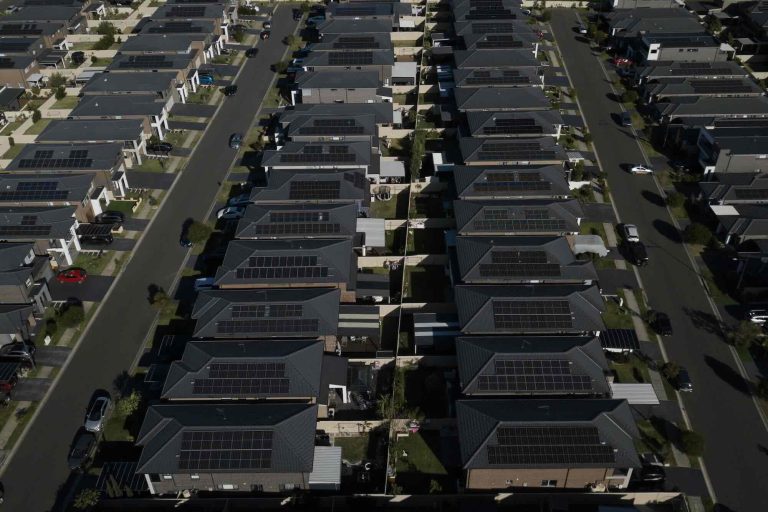
The forecast for distributed battery storage—specifically systems situated within homes and businesses for storing solar energy—has also evolved significantly. Under the 2026 Step Change model, projections suggest small-scale batteries will grow from 5 GW/12 GWh in April 2026 to 12 GW/33 GWh by 2030, eventually reaching 35 GW/78 GWh by 2050. By that year, it’s anticipated that about two-thirds of households with solar panels will also have battery systems.
Consumer-Centric Energy Strategy
Westerman underscored the importance of placing the consumer at the heart of energy planning in an interview with Renew Economy. He stated that there has been a fundamental shift in integrating consumer and demand-side aspects into the ISP, leading to a more cohesive system that prioritises cost-effective energy solutions.
This transition means that consumer resources are actively contributing to reducing both overall and peak demand on the grid, benefiting all users—including those who cannot install solar or batteries—by tempering wholesale prices during peak periods and diminishing the need for extensive grid investments.
Future Infrastructure and Investment
To support rising consumer energy demands, AEMO has introduced for the first time a $600 million allocation for enhancements to distribution networks. This includes optimising voltage management and implementing other cost-effective innovations that could unlock approximately 4 GW of latent consumer energy capacity, allowing for 8 GW of grid-scale generation and storage, along with 3 GW of mid-scale generation.
For transmission networks, crucial challenges lie ahead, though the requirements are significantly less daunting than often portrayed by critics of the renewable energy transition—roughly 1,500 km shorter than prior projections included in the 2024 ISP.
According to AEMO’s optimal development pathway, transmission infrastructure will extend by around 6,000 km or one-seventh of the national network by 2050, which encompasses all committed and anticipated projects outlined within the Step Change framework. Of this extension, approximately 40% aims to bolster inter-state connections, enhancing the overall reliability and stability of electricity supply across the NEM.
Concluding Thoughts
Westerman emphasises that the key takeaway from the revised ISP is the collective importance of all resources—solar, wind, batteries, and infrastructure—in the quest for affordable electricity. The following five to ten years are seen as critical for achieving a successful energy transition, with most coal-fired power plants anticipated to close by 2038.
He reiterated, “Australia’s energy transition necessitates a comprehensive system approach, one that maximises value across generation, storage, and transmission while leveraging the increasing contributions from households and businesses through rooftop solar and batteries.”