Australia’s 2030 Renewable Target at Risk Due to Wind Energy Shortfall
The Australian Energy Market Operator (AEMO) warns that the nation is unlikely to fulfil its ambitious goal of achieving 82 per cent renewable energy by 2030, primarily due to the struggles faced by wind energy developers in getting their projects approved and operational.
Recently, AEMO unveiled the final version of its comprehensive multi-decade strategy for the energy grid, termed the 2026 Integrated System Plan. This report highlights that while the costs associated with solar energy and large battery systems are declining, wind energy and transmission costs are rising.
Consumer Energy Resources Provide Relief
In her summary of the situation, Renew Economy editor Sophie Vorrath points out that the rapid uptake of consumer energy resources, particularly rooftop solar panels and home batteries, is alleviating some of the financial pressure. This advancement suggests that the need for large-scale wind and solar farms, as well as new transmission lines, may be reduced.
Persistent Shortfalls in Wind Energy Projects
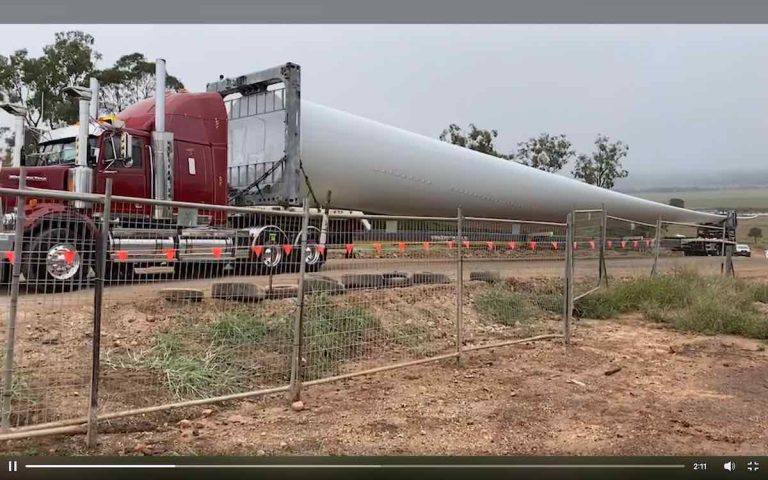
However, the report outlines a stark reality: Australia currently falls significantly short of the necessary large-scale wind projects due to a myriad of complications, including escalating costs, challenges in obtaining social approval, grid connection issues, supply restrictions, and governmental hurdles particularly evident in Queensland.
According to the findings, the existing projects seeking or holding grid connection approvals would only fulfil approximately 75 per cent of the new capacity required by the Integrated System Plan’s Optimal Development Plan (ODP) to meet the 2030 renewable energy target.
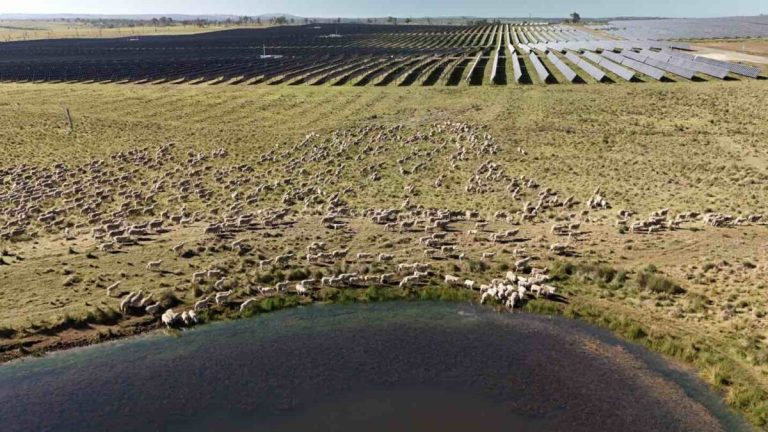
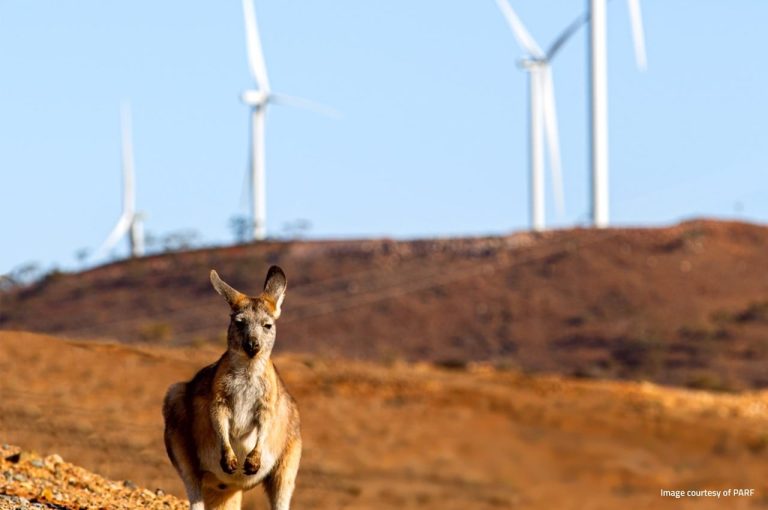
A substantial requirement of around 38 gigawatts (GW) of new wind and solar capacity is projected. This includes about 20 GW of large-scale solar, with only roughly 19 GW currently in the connection queue. Alarmingly, merely half of the required 18 GW of wind energy is apparent in the current connection pipeline.
AEMO notes, “The current build of solar and particularly wind in the connections pipeline would fall short of what is needed by 2030 in the Step Change scenario.”
Mixed Forecasts for 2030 Renewable Targets
Various reports have echoed concerns regarding Australia’s potential failure to meet its 2030 renewable energy ambitions, with estimates ranging from below 60 per cent to 70-80 per cent compliance.
Despite these challenges, Federal Energy Minister Chris Bowen asserts confidence in reaching the target, although he acknowledges the difficulties wind energy faces, including pricing and planning hurdles. Analysts attribute some of these challenges to the absence of reliable contracts from major energy retailers and corporate entities.
AEMO’s Constrained Delivery Scenario
AEMO has formulated what it refers to as its “Constrained Delivery” scenario, which aims to increase the annual output of large-scale solar from 1.3 GW to 4.6 GW over the next four years and wind from 0.3 GW to 2.3 GW; yet even this scenario falls short of requirements.
This outlook assumes a three-year delay for offshore wind initiatives—especially prominent in Victoria—and predicts slower delivery of transmission lines. This marks a challenging climate for the grid operator as outlined in their findings.
If infrastructure development experiences further delays, AEMO warns that the 2030 renewable energy targets will not be met on schedule, which could lead to an even steeper increase in costs beyond the anticipated 30 per cent rise in capital expenditure.
Future Prospects for Renewable Energy in Australia
AEMO remains cautious but optimistic, arguing that a slowdown in progress would escalate prices and compromise reliability, given the ageing coal-fired power plants still in operation. They expect that the pace of advancements will quicken in the coming five years, with solar and wind reaching the targeted Step Change scenario—44 GW and 35 GW respectively—by 2035.
The overall outlook projects Australia operating at 98 per cent renewables, with a minimal input from flexible gas capacities, by 2050. However, this timeline largely hinges on the Queensland government’s decisions regarding the future of coal-fired power stations.