Utilizing Data Centers to Address Wind and Solar Energy Waste
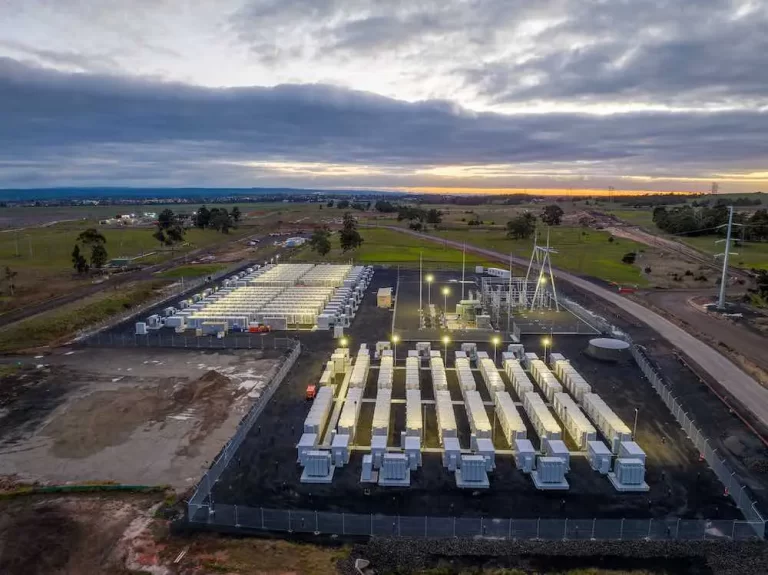
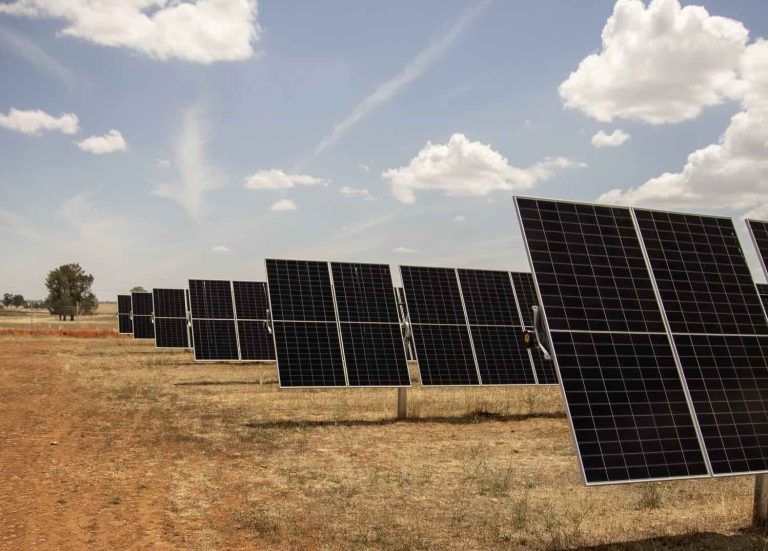
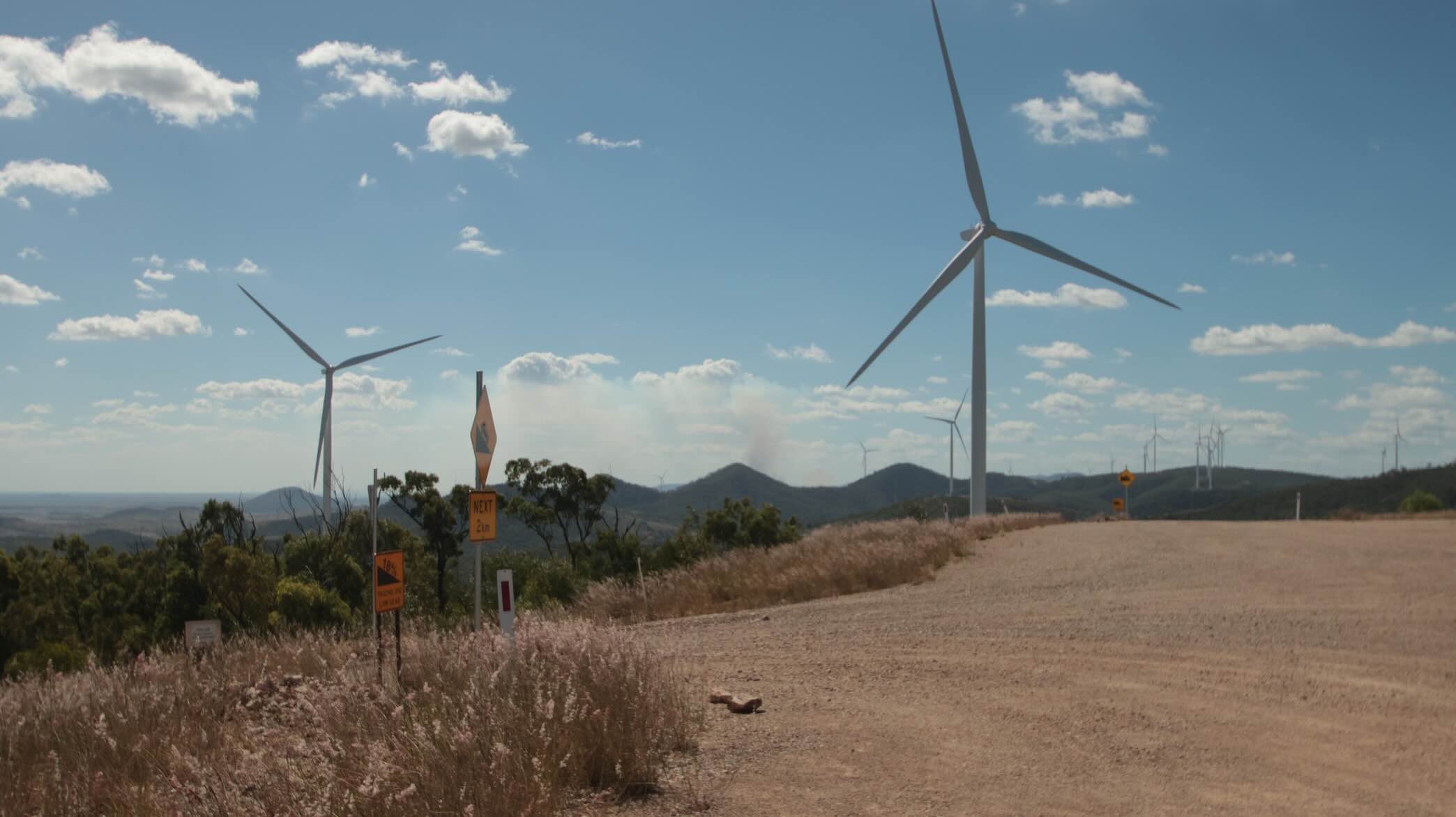
Establishing data centres in proximity to existing solar and wind projects across regional Australia could benefit local employment and industries while simultaneously curbing energy wastage.
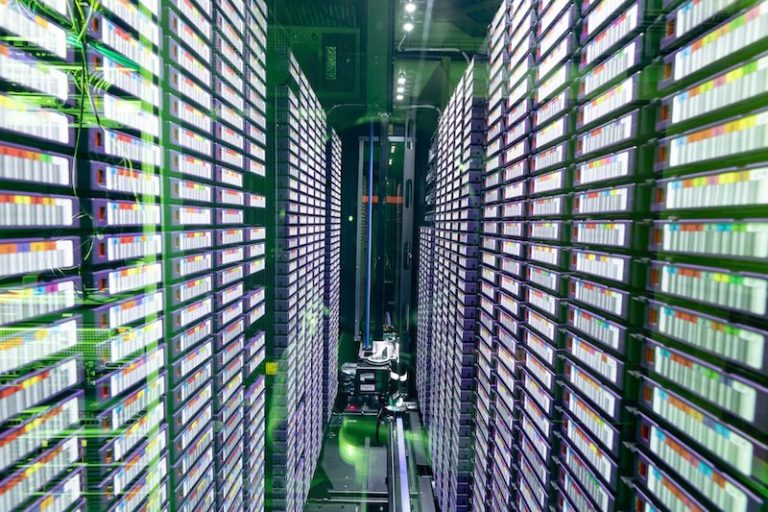
This insight was shared by the Electrical Trades Union on Wednesday, following a report examining the expansion of data centres in New South Wales, which are increasingly needed to cater to the growing demand for artificial intelligence capabilities.
Concerns Over Resource Consumption
There are rising concerns regarding the significant water and electricity consumption by these AI hubs, with Oxford Economics Australia cautioning that they could account for 11 per cent of the energy supplied by the NSW grid by the year 2030.
Leveraging Renewable Resources
The ‘Site It Right’ report, commissioned by the Carbon Zero Initiative, emphasises that Australia has a unique opportunity to satisfy the energy needs of data centres by situating them close to existing renewable energy installations.
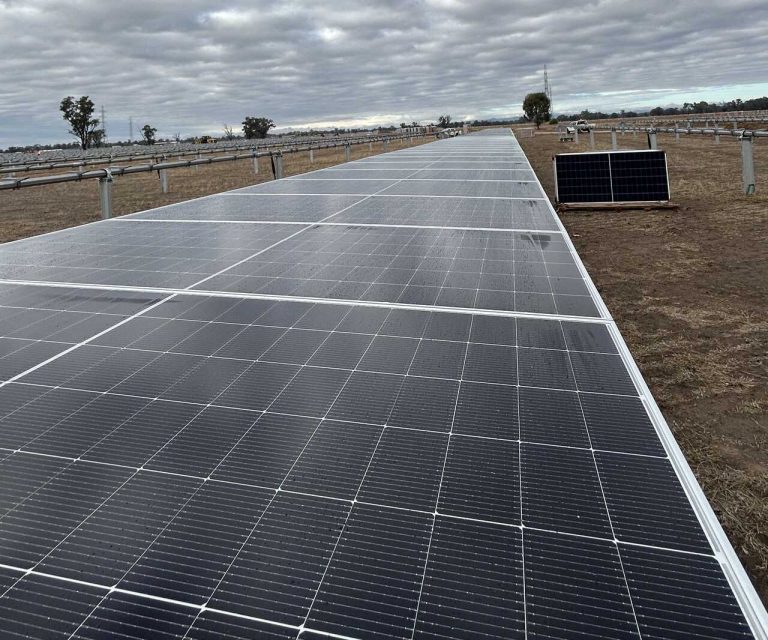
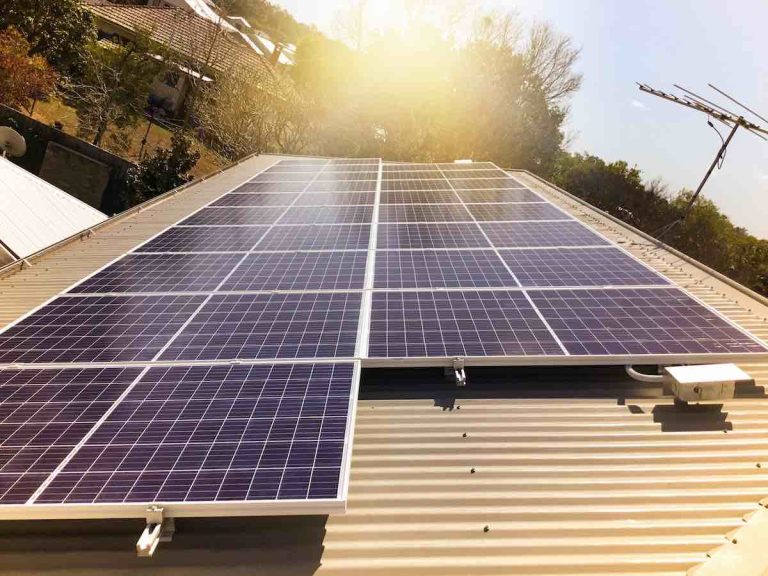
An analysis of solar and wind energy generation in regional NSW indicated that nearly a third (29 per cent) or 2.1 gigawatts of this energy was curtailed or wasted in 2025. This surplus energy could be harnessed by data centres during high-demand periods, effectively offsetting their electricity consumption and promoting their swift establishment.
Cost-Effective Connections
Furthermore, the report highlighted that facilitating internet links between regional data centres and Sydney would be more economical than developing new energy transmission infrastructure. The latency for transmitting data between these centres and Sydney is expected to range from 3.4 to 6.8 milliseconds, with a maximum possible delay of 15 milliseconds noted in regions like Albury and Griffith.
Strategic Planning for Benefits
According to Alexander Hoysted, the strategy lead at Carbon Zero Initiative, the report illustrates that data centres can offer substantial advantages if their development is strategically planned. He explained, “By situating large energy demands closer to renewable energy sources, surplus energy can be utilised locally instead of being wasted.”
Recommendations for Government Action
The research put forth several suggestions for both state and federal governments, advocating for the expeditious approval of projects in regional areas. Additionally, it recommends establishing incentives for data centres that contribute to local communities, such as initiatives that offer apprenticeships and training opportunities.
Industry Perspectives
Consultations with data centre operators during the study affirmed its conclusions. Oliver Curtis, founder of Firmus Technologies, remarked that regional sites present a viable option for reducing system costs. Meanwhile, Andrew Sjoquist, chief executive of WinDC, noted that these projects could help address energy concerns.
“Data centres are frequently viewed as a burden on the grid,” he remarked, “but the core issue lies in their location and operational methods.”
Government Inquiries and Industry Growth
This report arrives in conjunction with the federal government outlining five key expectations for data centres, as both the NSW government and the Senate initiate inquiries into the rapid proliferation of these facilities and the implications for the environment and communities.