Global Solar Capacity Surpasses 3 Terawatts After Record Installations in 2025
In a significant milestone for renewable energy, 2025 saw the installation of a record 664 gigawatts (GW) of new solar photovoltaic (PV) capacity worldwide. This achievement propelled the total global solar capacity to exceed the 3 terawatts (TW) threshold by early 2026, effectively tripling the total capacity over a mere four years.
According to the recently released Global Solar Market Outlook 2026-2030 from SolarPower Europe, the installation of 554 GW in 2025 marked an increase of 69 GW from 2024, and a substantial jump of 212 GW compared to 2023. This surge is noteworthy, as solar PV represented 77 per cent of all newly added renewable energy capacity for the year, contributing 2,778 terawatt-hours (TWh) – approximately 9 per cent of global energy demand.
Growth Trends in Solar Energy
Despite the remarkable growth, the pace is experiencing a slowdown: it dropped from 85 per cent in 2023 to 32 per cent in 2024 and further down to 12 per cent in 2025. SolarPower Europe forecasts a brief decline in overall installations for 2026 before growth is anticipated to pick up again in 2027.
Walburga Hemetsberger, CEO of SolarPower Europe, commented, “The solar age is firmly established. With yet another record year in capacity additions for 2025, solar continues to outshine all other energy technologies.” However, she also pointed out that the deceleration observed in 2025 and the expected dip in 2026 indicate a shifting focus: “Scaling solar is no longer just about adding more capacity; it’s about effective integration into the energy system.”
Country Contributions to Solar Growth
China remains the dominant player in the global solar market, having installed an impressive 382 GW in 2025, which accounted for 57 per cent of all new installations worldwide. Following closely, India has emerged as the second-largest solar market, contributing 45.7 GW. The United States fell to third place, with only 43.2 GW added, down from 50 GW in 2024.
This dominance by China may result in the first contraction in the solar market in over two decades, with expected domestic policy changes leading to a 24 per cent drop in annual capacity installations. Consequently, global solar installations are forecasted to decrease by 8 per cent in 2026, amounting to 612 GW, based on SolarPower Europe’s “Medium Scenario.”
Future Projections and Australia’s Role
Markus Elsässer, CEO of Solar Promotion GmbH reassured, “Despite the anticipated drop in 2026, the long-term outlook for solar remains strong.” He stated that annual installations could rise to approximately 864 GW by 2030, with global capacity projected to balloon to 6.6 TW, potentially reaching 7.6 TW in a more optimistic scenario. “Solar will continue to be a pivotal component in the energy transition, expected to provide around 60 per cent of the renewable capacity necessary to achieve global 2030 targets.”
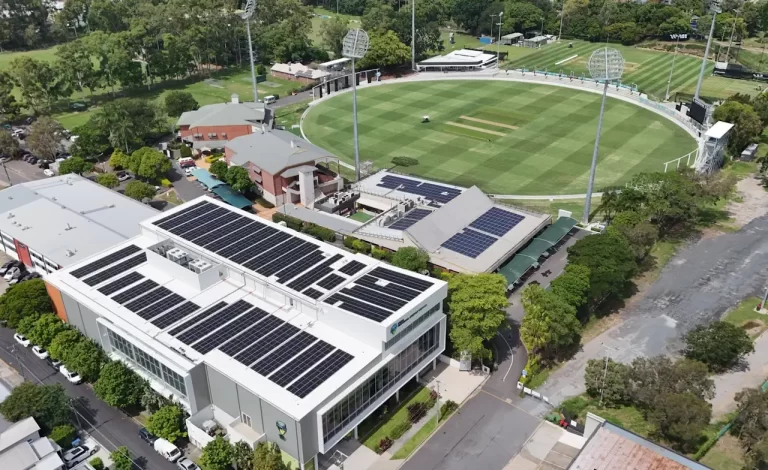
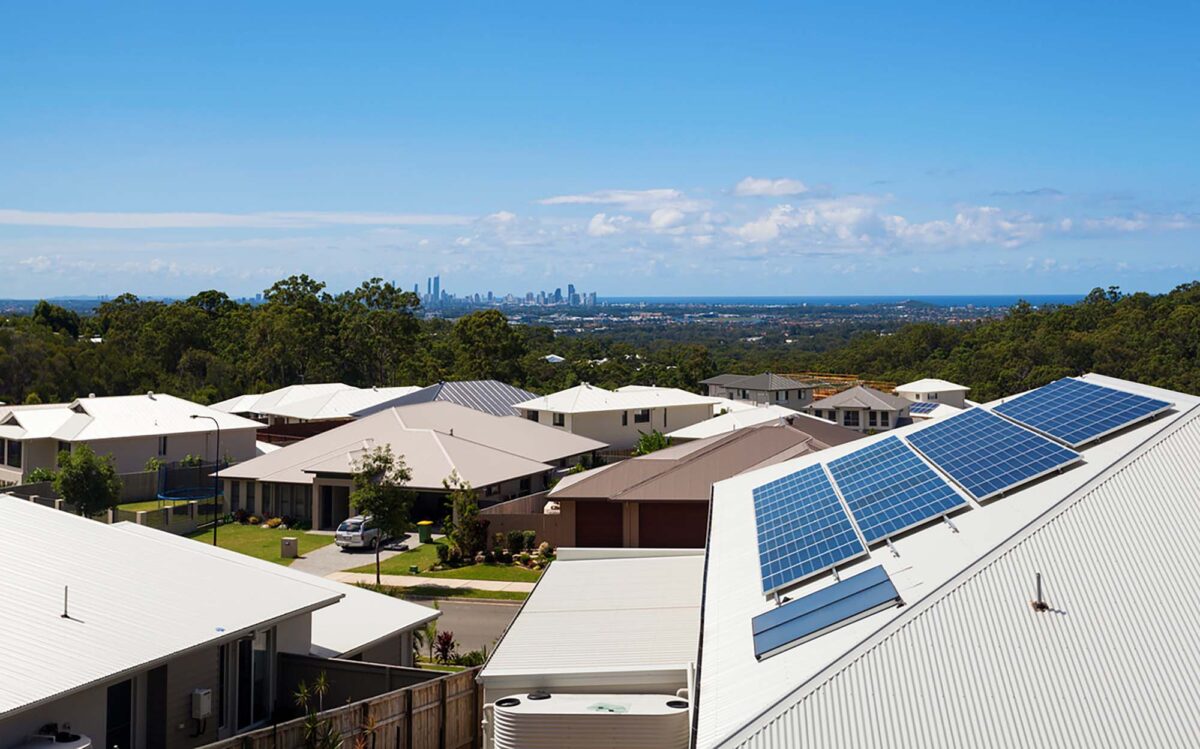
The report underscores Australia’s significant role in the solar arena. By the close of 2025, Australia had exceeded 45 GW in solar capacity, climbing from a modest 5.1 GW in 2015. The majority of this capacity remains rooftop-based, with 2.8 GW of the 4.8 GW installed in 2025 coming from residential, commercial, and industrial systems.
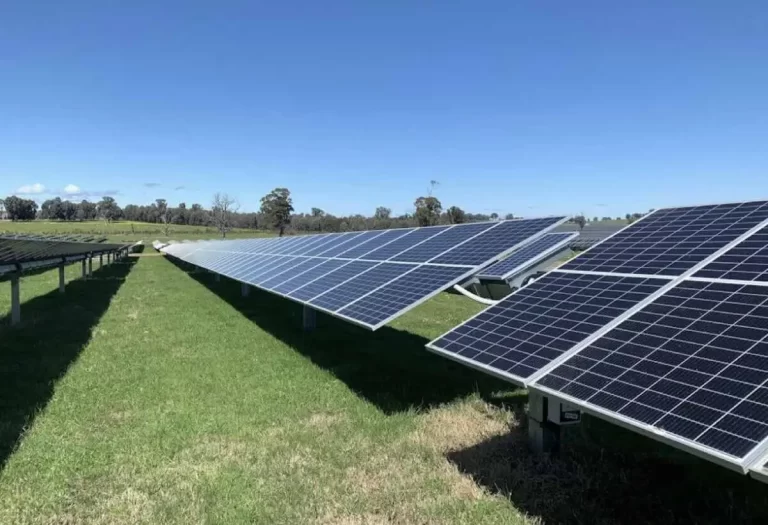
This prevalence of rooftop solar in Australia’s energy landscape is largely driven by strong consumer incentives and political backing. Nevertheless, to meet its ambitious goal of reducing greenhouse gas emissions by 43 per cent from 2005 levels by 2030, and increasing the renewable energy share to 82 per cent, there is a pressing need for the enhancement of utility-scale solar projects.