Debunking Myths: Solar Benefits for All Income Levels
Recently, discussions in the media have suggested that the expansion of solar energy and battery technology is more beneficial to affluent households, while leaving those with lower incomes at a disadvantage.
This notion is largely based on logic rather than concrete evidence, as solar and battery systems typically come with a hefty price tag, leading to the assumption that wealthier households would dominate their adoption. Yet, this assumption doesn’t hold water.
Misleading Claims and the Reality of Data
A pertinent example of this misleading narrative was showcased by the Daily Telegraph, which described Australia’s battery rebate initiative as a “scheme benefiting the rich.” The article reported that low-income households were indirectly funding battery systems used by wealthier Australians, claiming that Australia’s top 100 income brackets had installed four times the battery storage capacity compared to the lowest ones—1797 kilowatt-hours in affluent postcodes versus just 418 kWh in poorer areas.
While this analysis sounds convincing, it overlooks the fact that Australia Post allocates postcodes based not on population but on geography. The poorer populations often reside in rural areas with low density, whereas affluent neighbourhoods are typically situated in urban centres with higher population concentrations.
Understanding Household Data
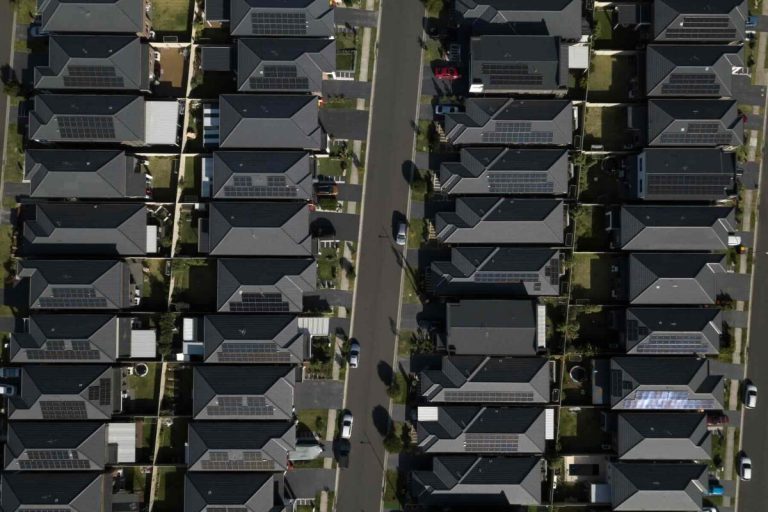
An analysis of the Clean Energy Regulator’s solar installation data until March 2026, combined with 2021 Census information, reveals that postcodes with lower median incomes have a greater percentage of homes equipped with solar energy compared to those with higher median incomes. Although there is a slightly higher ratio of battery installations in wealthier areas, with 3% penetration in the highest income bracket compared to 2.1% in the lowest, the battery rebate programme is still in its infancy—less than a year old—making solar installation data from 2001 a far more reliable indicator of long-term trends.
Equity in Solar and Battery Adoption
Certain interest groups continue to assert that battery technology primarily benefits wealthy households, like the Australian Energy Council, while notably ignoring the opposite trend visible in solar data. It’s crucial to remain cautious when deducing strong connections between income levels and the adoption of these technologies based merely on postcode data.
For example, if we create a scatter plot mapping battery adoption rates against the median income of each postcode, the results appear quite chaotic, with some high-income areas featuring low battery uptake and vice versa.
Exploring Home Ownership and Income
The data reveals that once adjustments for home ownership are made, poorer households demonstrate installation rates of solar comparable to, if not exceeding, those of wealthier households. This critical distinction exists because renters are often unable to adopt solar technologies due to constraints on property rights and other barriers.
Despite a higher home valuation, many low-income homeowners do not consider themselves affluent; their financial mobility is restricted despite possessing significant assets in their property. The dependence of income levels on renting versus ownership adds layers to the conversation that many overlook.
Policy Recommendations for Inclusivity
It’s essential to highlight that renters are currently missing out on the many advantages provided by solar and battery technologies. Surprisingly, numerous voices raising equity concerns do not suggest practical government interventions to enable renters to benefit from these advancements, choosing instead to recommend policies that could stifle adoption.
While some organisations, like the Australian Council of Social Services, advocate for obligatory upgrades by landlords to improve solar availability in rental properties, others seem more interested in protecting larger energy corporations from competition rather than genuinely helping low-income households.
The Future of Solar and Battery Technology
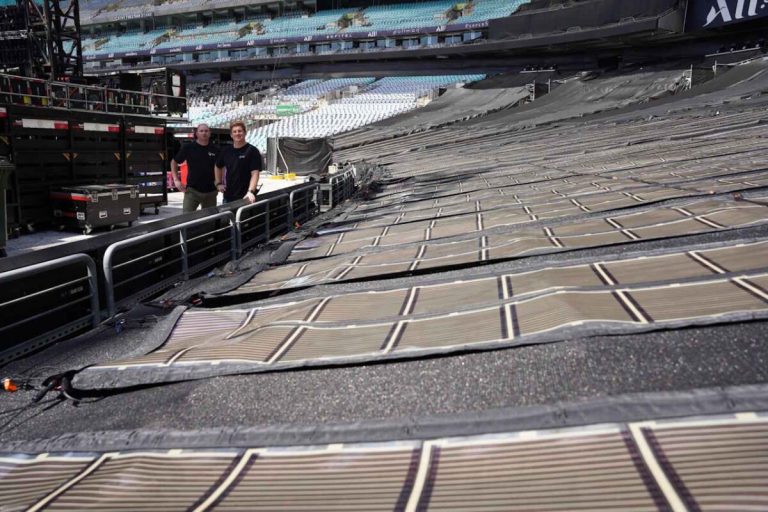
There are encouraging developments in the solar and battery market that could potentially provide solutions for renters as well. Innovations involving semi-portable solar and battery units that can be directly plugged into a power source are already prevalent in some international markets. If efforts succeed, it may soon be possible for Australian households to readily access these technologies.
The prospect of electric vehicles also serving as a home power source is on the horizon, contingent on collaborative progress between manufacturers and regulators on standards. Those genuinely concerned about ensuring renters can take advantage of solar could take an assertive stance advocating for broader accessibility rather than simply calling for stringent regulations against those who have already adopted these technologies.