NT Microgrid Secures $8.3 Million Grant for Construction
A partnership in the Northern Territory has secured an $8.3 million grant to develop a utility-scale solar-battery microgrid in Borroloola, a remote locality situated along the McArthur River in the Gulf of Carpentaria.
The funding from the Australian Renewable Energy Agency (ARENA) will enable the Ngardara Solar Microgrid to complete its financial arrangements in the coming months and commence construction in September, as stated by Original Power, an advocate for First Nations electricity.
Details of the Microgrid Project
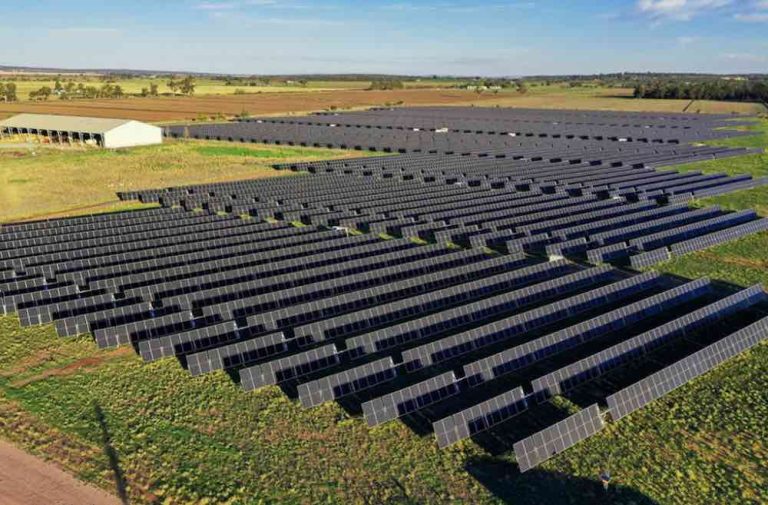
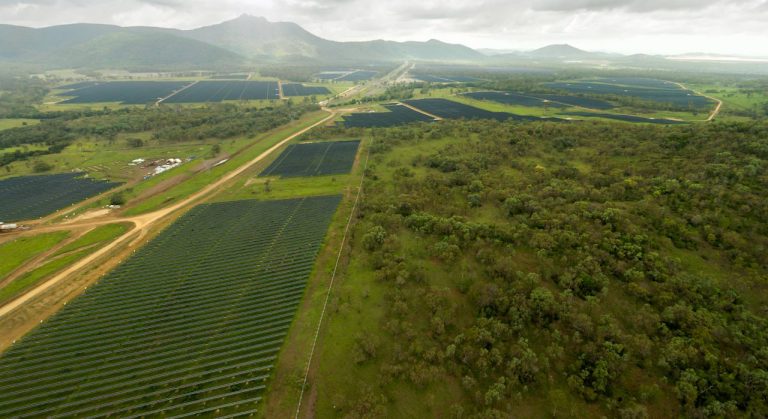
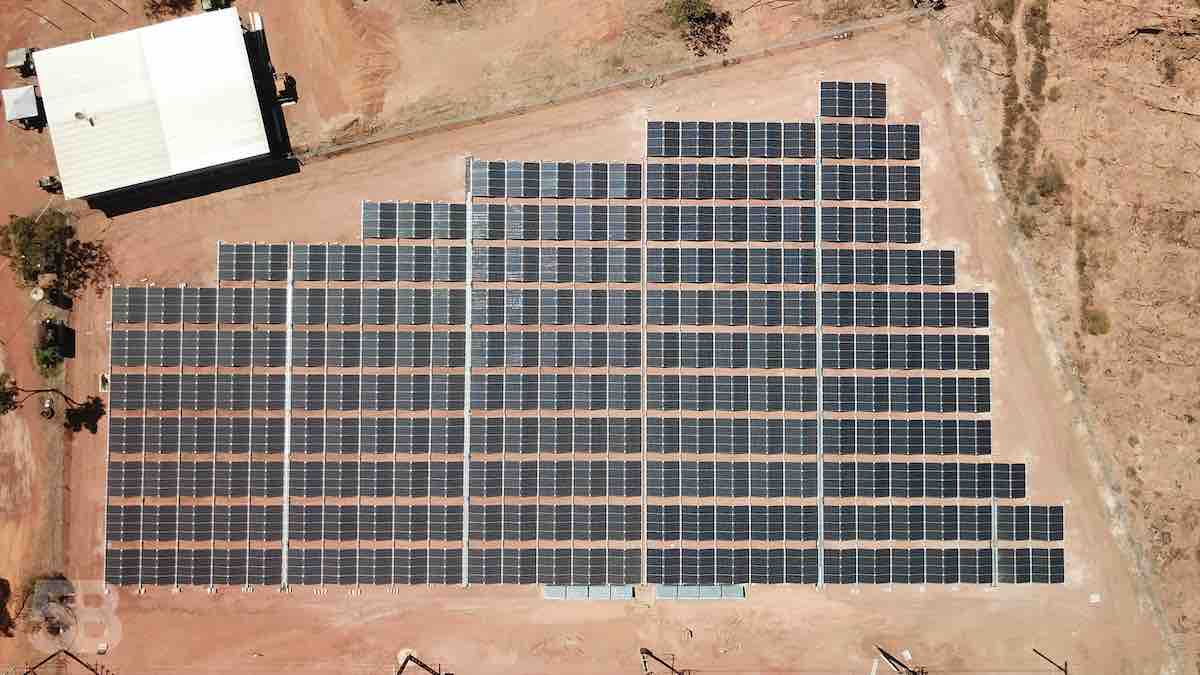
The microgrid will feature 2.1 megawatts (MW) of solar energy complemented by a 1.8 MW battery with a capacity of 6.6 megawatt-hours (MWh). It aims to achieve up to 80 per cent renewable energy utilisation and is projected to save approximately 1.2 million litres of diesel annually.
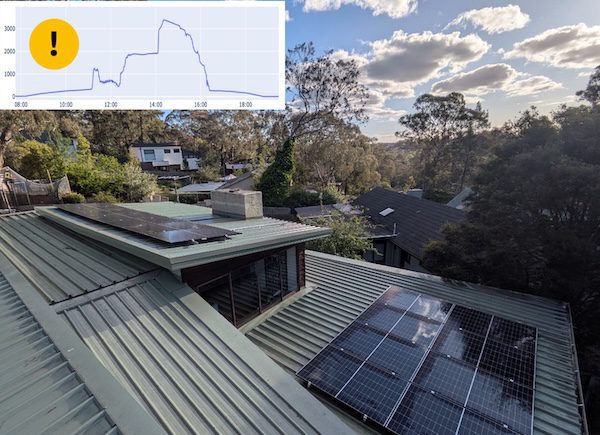
Original Power previously managed the Marlinja microgrid, which comprises a 100 kW solar array and a 136 kWh battery. Lauren Mellow, the company’s clean energy programme director, reported that this smaller project has generated sufficient energy to consider potential export options from the system.
The Borroloola initiative marks a significant advancement, being the first utility-scale microgrid project spearheaded by a First Nations group.
Overcoming Financial Hurdles
According to Mellor, one of the major challenges in securing financing for such large-scale projects stems from their complexity and unique local conditions, such as the management of billing in remote Indigenous communities.
However, with the Marlinja initiative demonstrating the feasibility of such projects and addressing various challenges, the path for launching the larger Borroloola microgrid has been facilitated.
David Knights, chief of Indigenous Business Australia, remarked that the innovative strategies devised by Original Power have successfully tackled numerous barriers that Indigenous communities face in accessing clean, affordable, and reliable electricity.
He added, “This endeavour offers a scalable model that has the potential to assist many more Indigenous communities similarly affected by significant social and economic disadvantages.”
Additional Microgrid Initiatives in the Region
ARENA is also contributing nearly $3 million to support another proposed microgrid project for Ltyentye Apurte, situated near Alice Springs, put forth by the Atyenhenge-Atherre Aboriginal Corporation (AAAC).
Ellie Kamara, the chief of AAAC, highlighted the necessity of the Ltyentye Apurte microgrid to address ongoing reliability issues. “In recent years, we have experienced prolonged blackouts, and when the power goes down in our community, there are no alternatives,” she explained.
She noted that during extreme temperatures, the community’s elderly population suffers due to a lack of heating or air conditioning, and local stores remain closed, which disrupts food security. The microgrid is intended to mitigate these difficulties by providing a consistent electricity supply during outages.
Challenges and Solutions in Electricity Distribution
The Northern Territory faces significant challenges with electricity supply, particularly in remote areas where approximately 10,000 households are required to pre-purchase power cards from local shops.
This system is rarely acceptable in other parts of Australia and results in the highest disconnection rates nationwide, exacerbating health and financial instabilities for residents.
A groundbreaking report from last year revealed that households using prepayment meters in the Northern Territory endure between 41 to 59 disconnections each year, starkly contrasted with only 33 in Western Australia and 14 in South Australia.
However, the Ngardara project illustrates that with appropriate policies, resources, and collaborative efforts, community-driven methodologies can address electricity supply challenges and fairness issues in remote regions, according to Scott McDinny, chair of the Ngardara Company.
He stated, “We are capable of overcoming longstanding difficulties relating to the high costs of power generation in our region, resolving household disconnections, and fostering genuine economic advancement and independence for our communities.”
Transition Away from Diesel
Presently, electricity generation and distribution in Borroloola is managed by Power and Water Corporation, which oversees a 653 kW solar installation alongside 3.3 MW of diesel generators that fulfil around 87 per cent of the community’s energy requirements.
The new microgrid is expected to reduce reliance on diesel and, being primarily owned by the Ngardara Cooperative, residents will benefit directly from the sales of electricity.
Original Power anticipates that households could see their energy bills decrease by roughly 50 per cent, thanks to solar credits integrated directly into their prepaid meters.
Madie Sturgess from Original Power commented that this project is compelling legacy power distributors and operators to elevate their performance. “Despite facing outdated regulatory frameworks and historically monopolistic energy setups, the Ngardara Solar Microgrid initiative is prompting the Northern Territory energy sector to collaboratively develop a sustainable model for genuine local energy ownership and benefits,” she remarked.
This marks a pivotal moment in the democratization of energy for communities traditionally sidelined in the renewable energy transition.