Homeowners Use Solar and Batteries for Blackout Resilience
Increasingly, Australians are modernising their home technology, not just for day-to-day convenience but to ensure connectivity during natural disasters.
From solar energy systems and batteries to electric vehicles and improved broadband, specialists suggest that at-risk households can take proactive measures to minimise disconnection during emergencies.
Prioritising Safety and Resilience
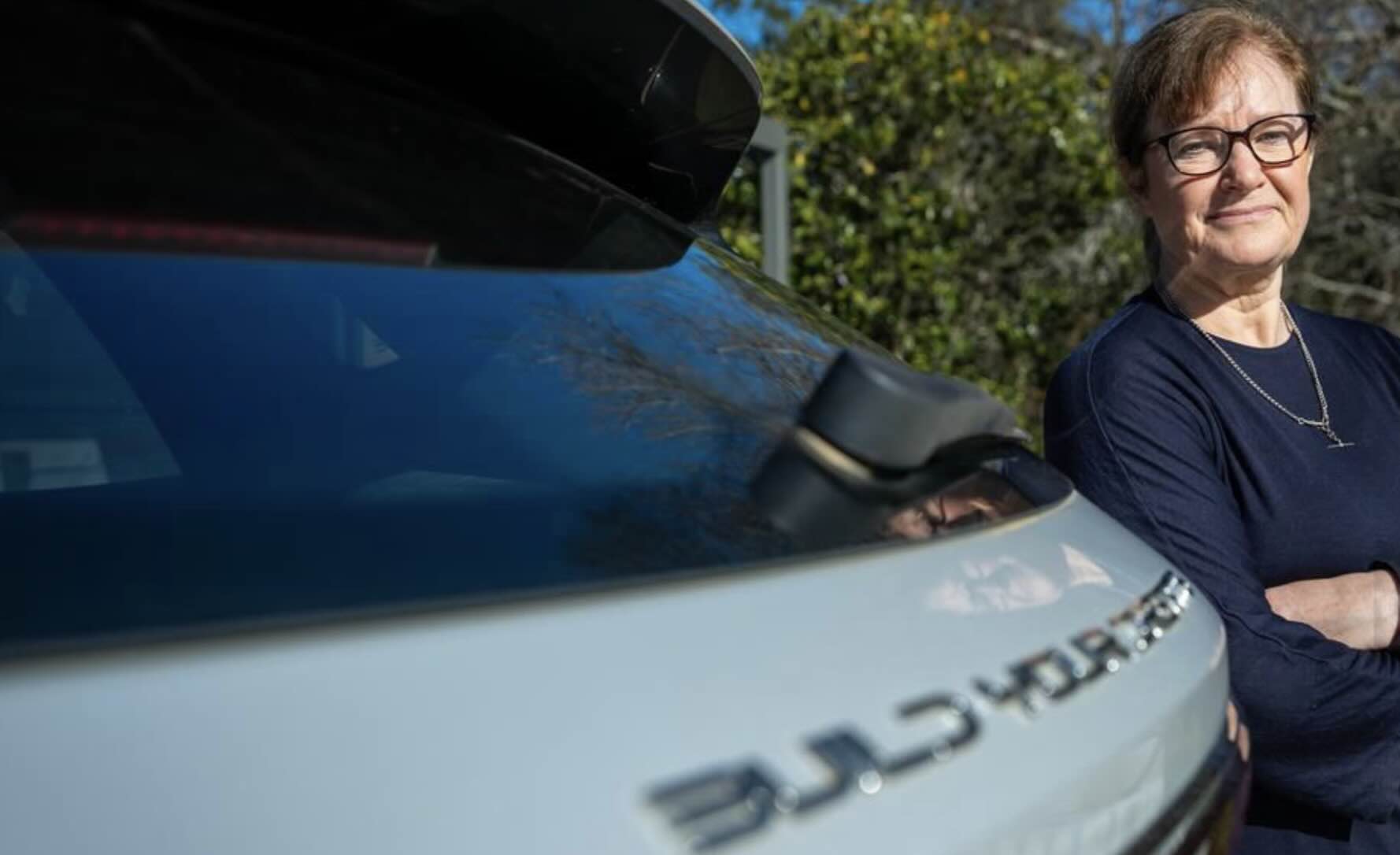
When Jenny Bailey relocated to Porepunkah, situated in northeast Victoria, two years ago, enhancing her home’s disaster resilience was at the forefront of her agenda.
“This is a regional area, susceptible to both bushfires and flooding, so it’s comforting to feel a bit more robust,” she explained. “If we experience severe bushfires, we could be without power for several days.”
Home Upgrades for Energy Independence
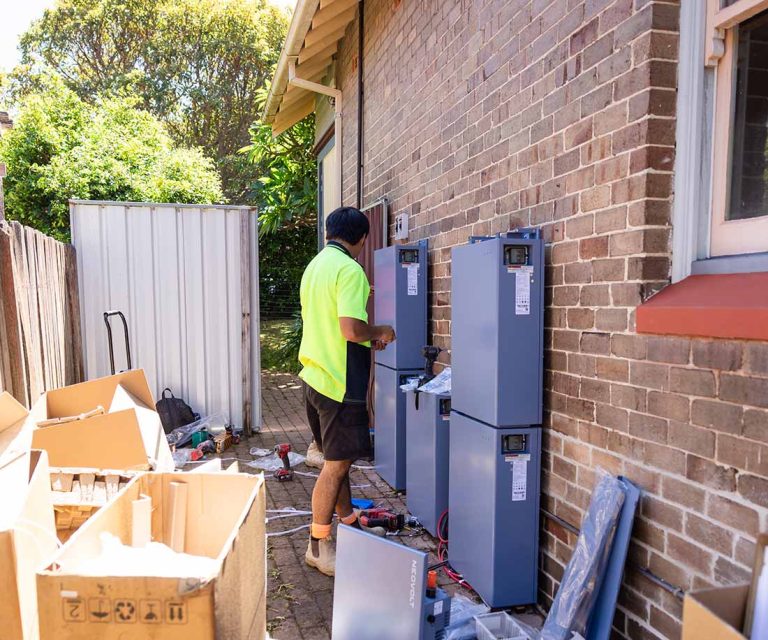
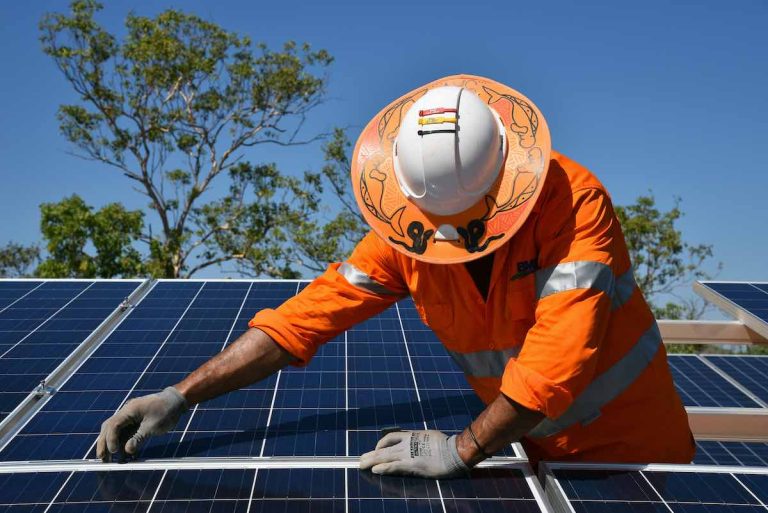
Ms Bailey’s home improvements began with the installation of solar panels, providing her with affordable and eco-friendly electricity. This was soon followed by the addition of a compact home battery for power storage, an electric car, and a bi-directional charger to link it to the energy grid.
Despite facing difficulties arranging the car connection with her service provider, this upgrade allowed her to store significant amounts of energy, enabling her to run cooling, heating, and cooking systems while also selling surplus power during peak demand. This setup has led to annual savings of approximately $5000, she noted, while also powering her newly upgraded fibre-to-the-home broadband connection, keeping her household online during local power outages.
“Recently, my neighbour came over to check if my power was off, and I could confidently respond that my power was still on,” she shared with pride. “I even received a text from Ausgrid to inform me of the outage, but I was completely unaware!”
The Rise in Smart Energy Connections
Research conducted by NBN Co has shown that over a third of Australian households now have internet-connected smart energy devices, such as solar panels, batteries, and electric vehicles. This statistic has seen an eight per cent rise in just one year.
Darren Mills, NBN’s general manager for resilience and asset management, indicated that these technological advancements are crucial in helping Australians remain connected during emergencies. “It’s not only about electric vehicles; this is an evolving benefit,” he stated. “Households equipped with solar power, batteries, generators, and fibre-to-the-home connections contribute to a more interconnected community. It effectively begins to future-proof your residence.”
Fibre Technology’s Resilience
Mills highlighted that fibre connections are inherently resilient, remaining unaffected by flooding. This makes them six times more durable compared to the previously used fibre-to-the-node connections. To date, more than 3.19 million homes and businesses have upgraded to these systems, leaving around five million properties eligible for a complimentary upgrade.