Free Power Offer: Who Should Sign Up and Who Should Avoid It?
This week, beginning on Wednesday, electricity providers in three key Australian states will be mandated to provide households with three hours of free electricity each day, as part of the government’s Solar Sharer initiative.
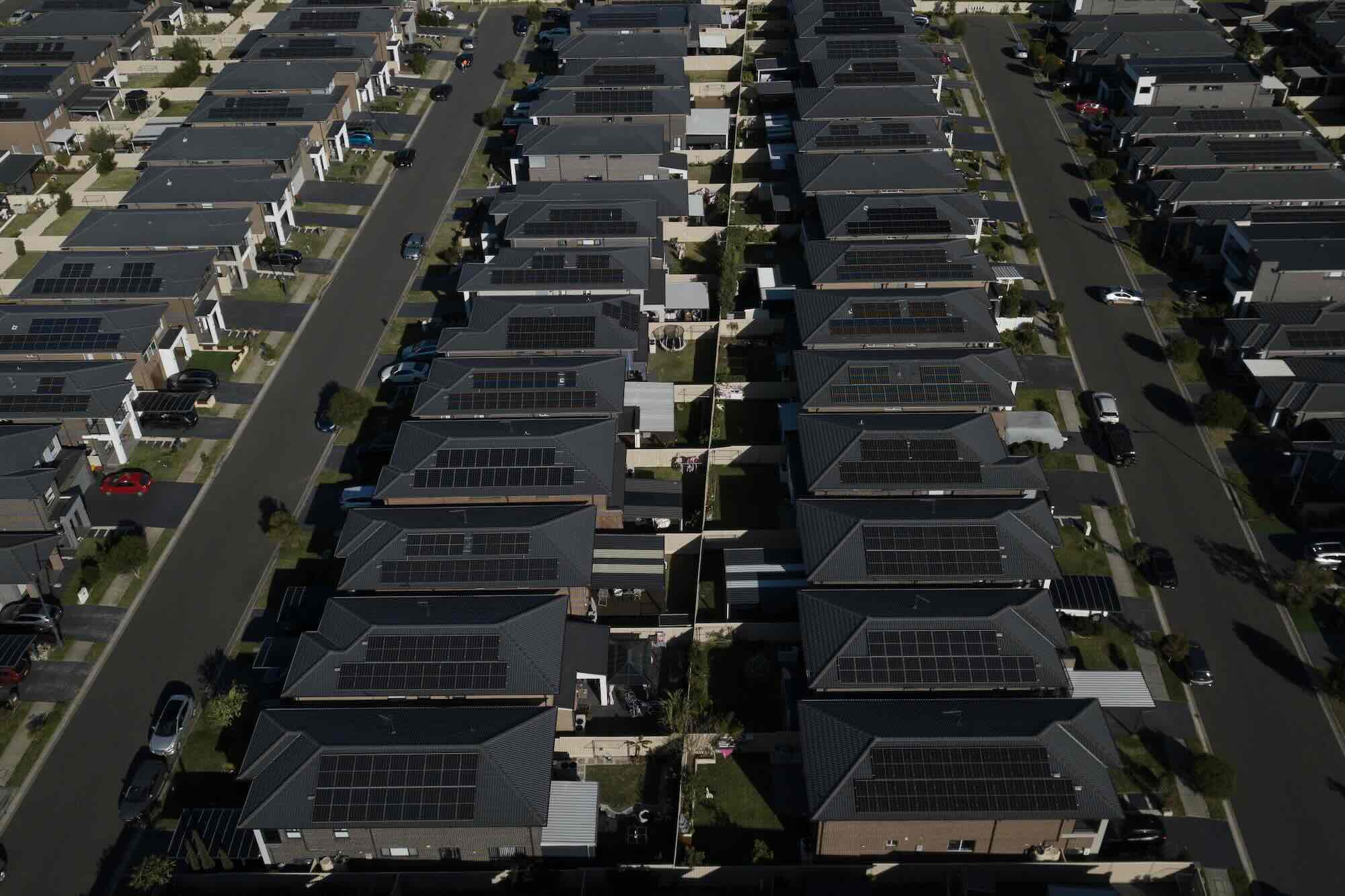
Launched by federal energy minister Chris Bowen in November last year, the Solar Sharer scheme seeks to address energy inequity by sharing the advantages of low-cost solar energy with households that cannot install solar systems, for various reasons. Additionally, it aims to mitigate the challenges of excessive rooftop solar generation on the grid during peak sunlight hours, which can complicate grid management and inflate costs due to necessary network improvements.
Understanding the Solar Sharer Offer
As outlined by the Australian Energy Regulator, the Solar Sharer Offer is an optional standing offer available for residential customers with smart meters in South East Queensland, New South Wales, and South Australia. This offer includes a designated three-hour free electricity period during the day.
In Victoria, a similar offer, known as the Midday Power Saver plan, is set to launch in October, details of which will be provided closer to the commencement date.
Goals of the Solar Sharer Scheme
The primary objectives of the Solar Sharer Offer (SSO) are to provide greater access to the benefits of affordable daytime solar energy for Australian households, particularly renters and apartment residents who lack the means to install their own solar panels, and to enhance overall energy system efficiency.
The scheme seeks to encourage households to shift their energy consumption to midday when solar energy is abundant, reducing evening peak demand when solar generation decreases and energy use typically surges—thus smoothing out the notorious solar duck curve that characterises the market.
As Energy Consumers Australia (ECA) highlights, the SSO sends a clear message to households regarding the availability of plentiful, inexpensive renewable energy during the day, making it the prime time for increasing energy consumption.
Mechanics of the Solar Sharer Offer
From a market perspective, the SSO mandates that all retailers with over 1,000 customers in regions under the Direct Market Offer (DMO)—specifically NSW, Queensland, and South Australia—must offer at least one Solar Sharer Offer available for customer enrolment.
Retailers must also inform customers that the SSO may not be ideal for every household, particularly for those unable to shift enough energy use to the allocated midday timeframe, requiring an opt-in agreement to participate.
According to the Better Bills Guideline, retailers are further obligated to inform customers at least every 100 days whether they could benefit from a better offer—consistent with an ongoing assessment of all available options.
Participation in the SSO is voluntary; customers can only enrol if they actively opt to join and have a smart meter installed. Bowen explains that checking for a smart meter is straightforward, and non-compliant customers can request one from their energy provider.
Once enrolled, the free power hours will occur between 11am and 2pm in NSW and Queensland, and from 12pm to 3pm in South Australia, remaining consistent throughout daylight savings periods.
There is an upper limit on the amount of electricity eligible for free use per period, known as the “solar sharer cap,” set at 24 kWh a day. This amount represents a high end of typical daily energy consumption for households in New South Wales, which ranges from approximately 13 kWh to 22 kWh daily.
The SSO will also include:
- A daily supply charge for maintaining the connection to the grid;
- Variable kWh usage charges outside the free period, influenced by the regional time-of-use network tariff structure;
- A charge for any consumption exceeding 24 kWh during the free power window.
Who Should Consider the Offer?
The federal government and the AER caution that the SSO is not suitable for every customer, with the ECA noting that for some households, participation may inadvertently lead to higher costs.
The ECA’s analysis indicates that households with limited flexibility to shift their usage into the free period may not see savings, especially if they continue to consume substantial amounts of electricity during peak pricing times.
As energy consumption patterns vary, customers might not benefit from transfer to the Solar Sharer Offer even if they adjust their habits. For example, customers who find it challenging to shift their usage may end up facing increased bills instead of savings.
Importance of Consumer Awareness
Education around the Solar Sharer Offer will be critical. A recent survey by the University of Queensland revealed that many individuals were unaware of the scheme, with less than half having heard of it. This lack of knowledge underscores the need for effective communication from the government about how to utilise the SSO effectively.
While some consumers may adjust their habits to shift usage to low-energy devices during the free period, higher-energy consumption tasks like electric vehicle charging or hot water heating could prove more challenging to reschedule.
Consumer organisations emphasise the need for thorough market comparisons, urging customers to examine the terms of both the Solar Sharer Offer and other available plans before enrolling. Retailers have a responsibility to help customers assess whether the SSO aligns with their needs.
Existing offers in the market, such as time-of-use tariffs from various providers, may provide better financial outcomes for certain consumers compared to the SSO.
The competitive landscape, including plans from Origin, OvoEnergy, and others providing flexible free power offerings, suggests that potential SSO participants should consider all options before making a commitment.
For those interested in receiving updates on clean energy, subscribing to newsletters or supporting independent media can provide invaluable insights into the evolving energy landscape.