Home Battery Installations Surpass 430,000, Average Size Decreases
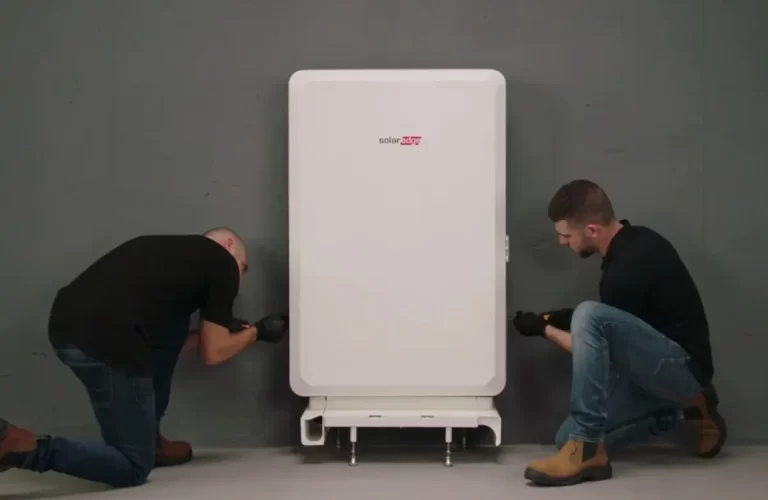
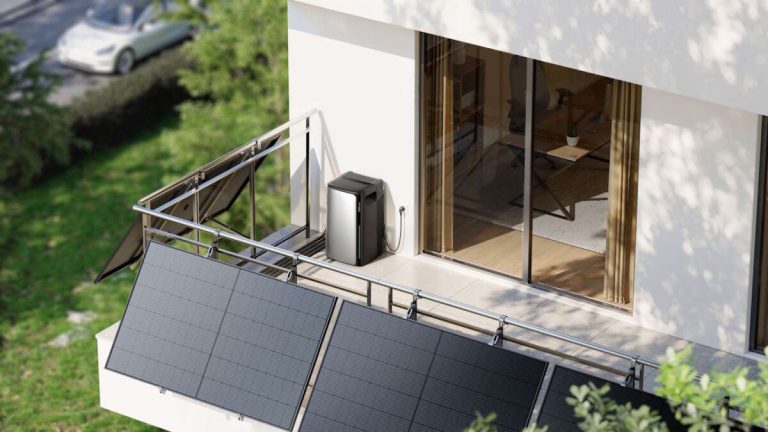
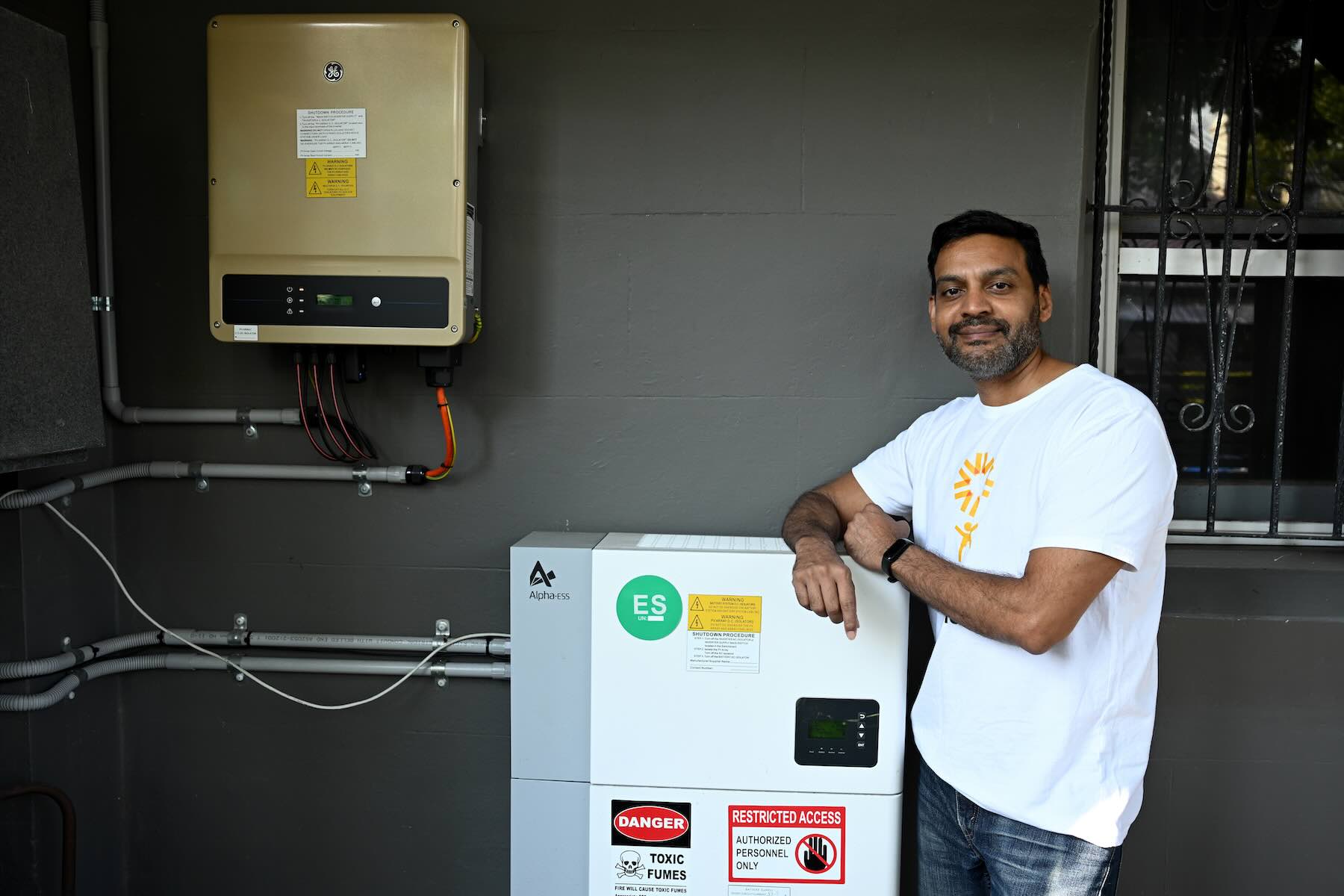
The installation of home batteries under the federal rebate programme has now exceeded 430,000 units, as new regulations begin to moderate what has been an explosive growth in residential energy storage. This adjustment also aims to reduce the average size of the systems being installed.
Carl Binning, the executive general manager overseeing scheme operations at the Clean Energy Regulator, provided a timely update on the progress of the federal Labor government’s highly successful Cheaper Home Batteries initiative during the Australian Energy Week 2026 in Melbourne. He noted, “We’re on the verge of hitting 12.5 gigawatt-hours of battery capacity installed, and we’ve just surpassed 430,000 households benefited from this programme.”
Impact of New Rebate Settings
Binning explained that the alterations to the rebate scheme, which reduce the level of discount for storage capacities beyond 14 kWh and again above 28 kWh, have resulted in a decline in the average battery size being installed. Previously, during the height of the uptake, this average fluctuated between 40-50 kWh.
“Household preferences are likely to adjust to an average battery capacity of around 20-30 kilowatt-hours, rather than exceeding 30 kilowatt-hours,” he remarked. Binning also indicated that a significant number of installations are being made by customers replacing older rooftop solar systems.
“Approximately 25 per cent of the installations involve upgrades for existing systems; these are typically smaller systems, under five kilowatts, that benefitted from favourable feed-in tariffs and have now reached the end of their contracts. They are being replaced with systems that feature 10 to 15 kilowatts alongside 20 to 30 kilowatt-hour batteries,” Binning elaborated.
Growth in Rooftop Solar Capacity
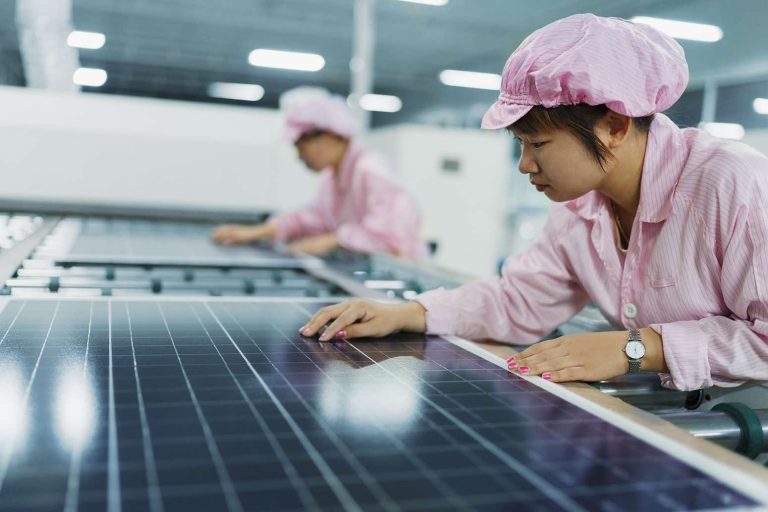
The rooftop solar market is flourishing as well, with a remarkable 790 megawatts of new small-scale solar capacity installed in just the first quarter of the year. “That marks the largest quarter we’ve ever recorded. In April alone, 441 megawatts of domestic solar was installed. I can easily predict an annual total of 4 gigawatts of domestic solar installations moving forward, which is a noteworthy increase,” he added.
Earlier this week, AEMO’s chief, Daniel Westerman, stated that home batteries are playing a crucial role in enhancing grid reliability and security, as well as benefiting consumers through reduced energy costs, even in scenarios where they aren’t part of a virtual power plant network.
For those interested in staying informed about the latest developments in clean energy, over 29,000 readers are already receiving our free daily newsletter; subscribing is straightforward.
If you value independent media and accurate reporting, consider making a one-time donation or becoming a regular contributor to Renew Economy. Your support is greatly appreciated.