AI-Powered Energy System to Enhance Solar Access for Apartment Residents
A new pilot project at the University of New South Wales (UNSW) is set to evaluate the capabilities of an AI-enhanced energy system designed to increase access to rooftop solar and battery storage for apartment dwellers.
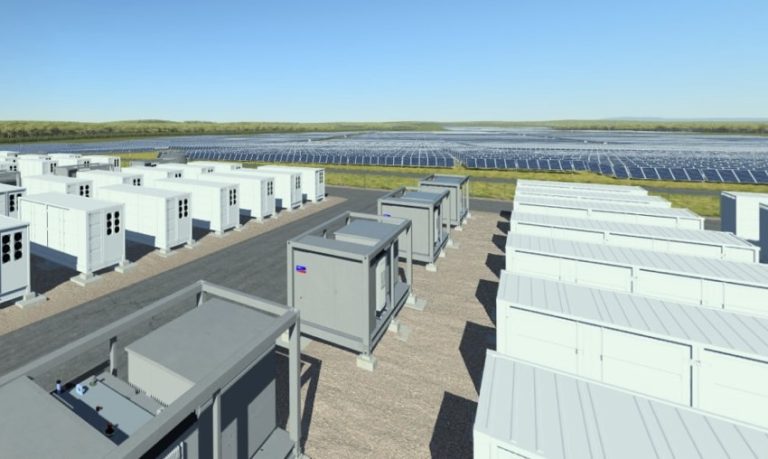
This initiative brings together an AI-driven energy technology developed by UNSW Canberra and a Modular Power Portal System (MPPS) created in partnership with Voltval and JT Solar. The system integrates solar power generation with shared battery storage specifically for apartment buildings.
Funding and Objectives
With financial backing of $1.2 million from the Australian Department of Education’s Trailblazer Recycling & Clean Energy (TRaCE) program, the pilot aims to unite these technologies to more accurately predict and optimise energy consumption across multiple residential properties, including apartment complexes and multi-unit buildings. The end goal is to create a more intelligent and efficient platform, primed for practical applications.
Dr Ripon Chakrabortty, from the School of Systems & Computing at UNSW Canberra, stated, “Through this partnership, we will develop and validate advanced AI-enabled optimisation technologies that can intelligently coordinate shared solar and battery resources across multiple residents.”
Current Landscape of Solar Energy in Australia
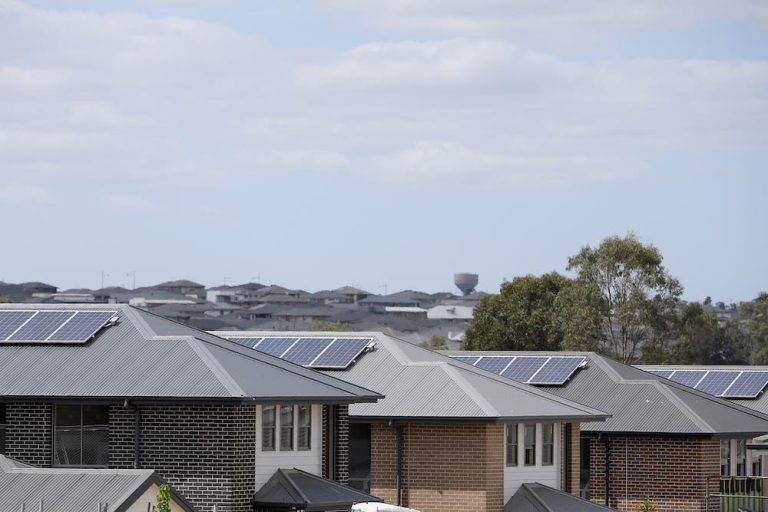
Despite Australia leading globally in rooftop solar uptake, with about one in three households hosting solar panels, a staggering 2.5 million Australians living in apartments face challenges in accessing these benefits. According to UNSW Canberra, only 3.5 per cent of New South Wales’ apartment residents can take advantage of rooftop solar, highlighting a considerable gap, especially given that one in five homes in the state are apartments.
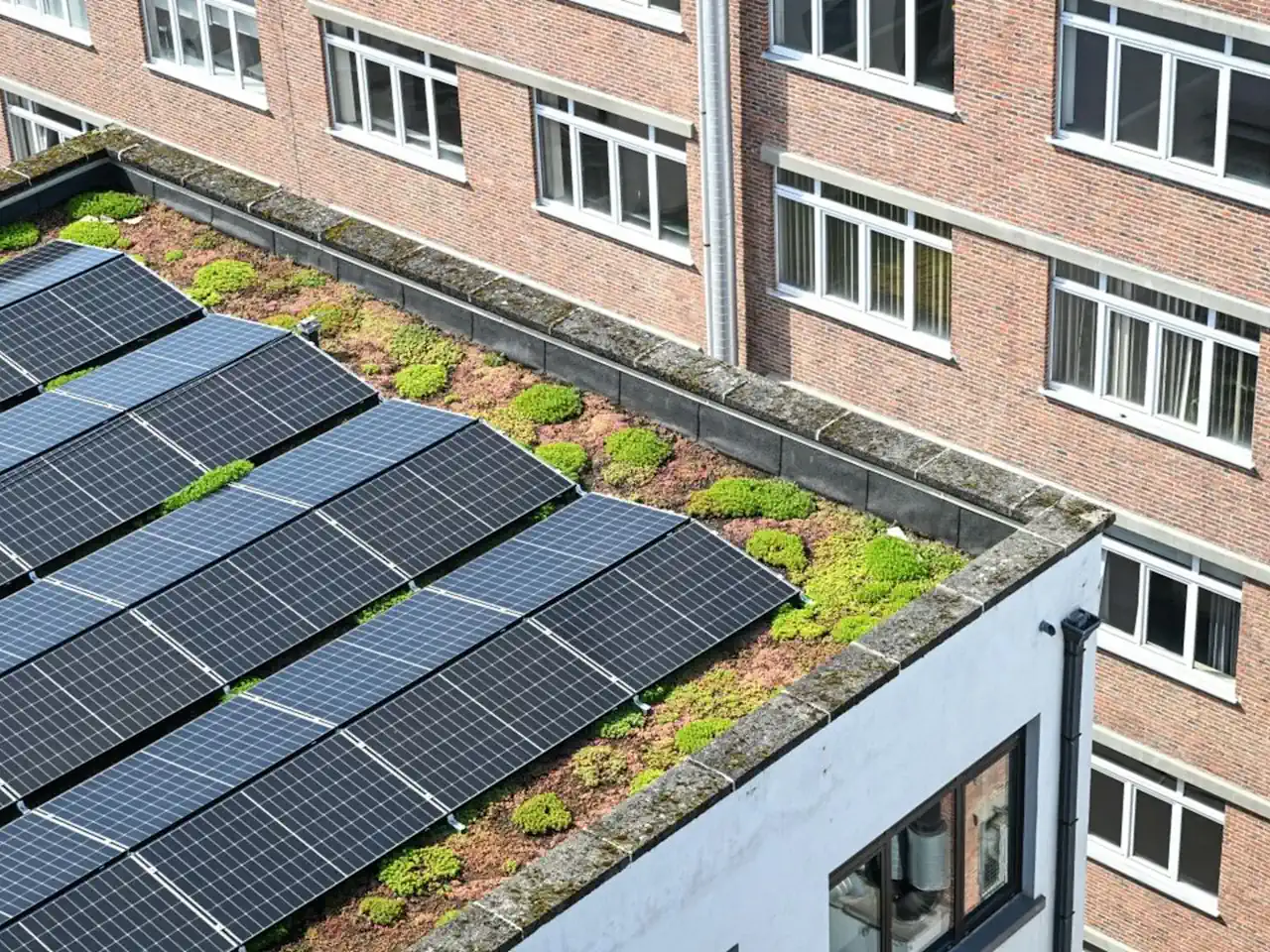
Various obstacles impede solar energy adoption for apartment residents, including intricate shared ownership structures, outdated metering systems, and the basic fact that many apartment buildings were not originally designed for distributed energy. These hurdles also extend to townhouses, mixed-use developments, and commercial buildings, exacerbating the disparity in access to affordable, clean energy within urban areas.
Innovative Solutions for Urban Energy Deployment
The collaboration between UNSW Canberra’s AI energy system and the MPPS from Voltval and JT Solar sets the stage for innovative energy solutions in densely populated urban settings. The researchers aspire to develop technologies that not only predict energy supply and demand but also manage the flow of electricity between apartments in real-time.
The pilot will span both commercial and residential sites across Sydney, utilising real-world performance data to affirm the effectiveness of the system for the selected property types.
Jason (Jiangang) Xiao, director of JT Solar Technology, remarked, “The UNSW partnership has given us the research depth to properly validate what we have built and the confidence to take it to market.” He emphasised that the barriers preventing clean energy uptake in Sydney’s apartments and strata developments are prevalent in dense urban areas worldwide, suggesting that the MPPS could play a crucial role in achieving large-scale decarbonisation of buildings and fostering a more resilient, inclusive energy future.
Potential Impact on Energy Costs
Associate Professor Huadong Mo at UNSW Canberra, who is co-leading the project with Dr Chakrabortty, anticipates that their efforts could facilitate a 30 per cent reduction in operating costs for buildings participating in the scheme, while also increasing renewable energy usage.
“The next phase of Australia’s clean energy transition will depend on ensuring that apartment residents can participate in the benefits of distributed energy resources,” he added.