Australia Must End Coal by 2034 for 1.5°C Climate Goal
Last week saw the release of Australia’s latest long-term strategy for its primary electricity grid, which is likely to be the topic of vigorous discussions for several months. This will continue until the draft for the 2028 plan is unveiled at the end of next year.
The 2026 Integrated System Plan (ISP), drafted by the Australian Energy Market Operator (AEMO), outlines the most cost-effective approach to modernising the nation’s outdated coal power fleet, while keeping current federal and state energy and climate policies in mind.
Key Targets and Requirements
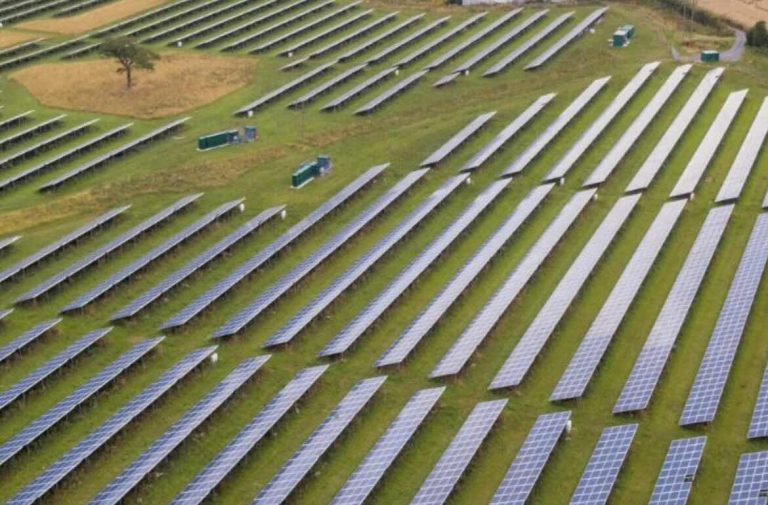
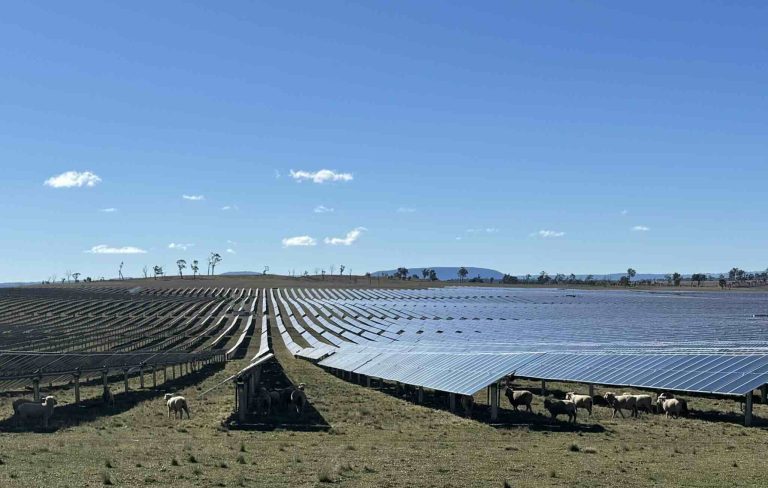
A significant takeaway from the report is the need for an additional 117 gigawatts (GW) of large-scale wind and solar energy installations over the coming decades. This is in addition to 87 GW of distributed solar—primarily on rooftops—and 64 GW of storage capacity.
However, if the primary objective was to align with the 1.5°C goal set out in the Paris Agreement of 2015, a different strategy would be necessary, focusing on a quicker roll-out of technologies, particularly large-scale solar and battery storage.
The Role of Households in Energy Transition
Households are expected to play a crucial role in providing the necessary capacity to help Australia contribute its fair share towards a secure climate globally. The ISP models three distinct scenarios: slow change, step change, and accelerated transition. AEMO reports that 46 per cent of stakeholders favour the step change scenario as the likely path, while the remaining respondents are evenly split between slow change and accelerated transition.
The accelerated transition scenario—previously referred to as the green export scenario—envisions a 50 per cent increase in installed capacity by 2050. Detailed analysis suggests that by 2030, black coal energy capacity will be halved under this scenario, with an anticipated complete phase-out of coal generation by 2034.
Shifts in Energy Generation Capacity
While mid-merit gas generation remains relatively stable, it’s projected that an additional 3 GW of flexible gas capacity will be required, likely to assist during periods of low wind and solar output.
AEMO forecasts that all black and brown coal-fired power generation will exit the market by the 2033-34 period to meet the pressing emissions reduction targets. This accelerated transition scenario aims for a minimal emissions budget of 303 million tonnes of CO2 equivalent from 2026-27 to 2049-50, reflecting a commitment to limit global warming to 1.5°C by century’s end.
Renewable Energy Needs by 2050
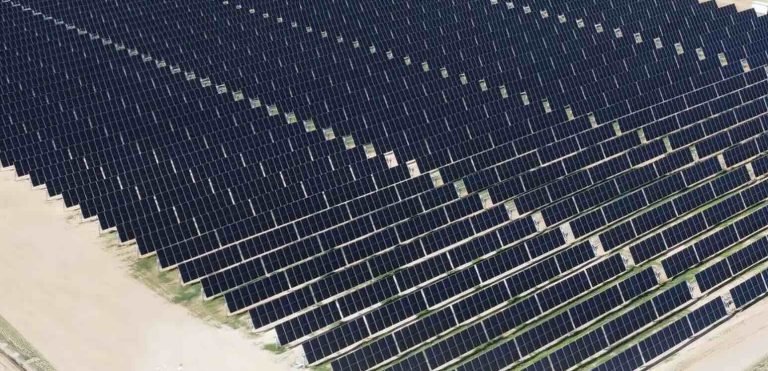
By 2050, the demand for wind energy is expected to increase to approximately 76 GW, significantly higher than the 43.8 GW foreseen in the step change scenario. In contrast, the requirement for utility-scale solar will rise to 110 GW from the previously estimated 61 GW, although the figures for shallow, medium, and deep utility-scale storage remain stable.
Furthermore, a marked adjustment in the coordination of household storage and consumer energy resources is also anticipated. The capacity for coordinated consumer energy resource storage under the accelerated transition scenario is set to double from 23 GW to 46 GW, with “passive” storage needs also escalating to 22 GW.
Future of Hydrogen Production
Although this is merely a model, AEMO indicates a potential trajectory towards achieving approximately 98 per cent renewable energy within about seven years as the final coal generator is taken offline, maintaining this level subsequently with some reliance on flexible gas capacity to avoid exceeding 100 per cent renewables.
The accelerated transition scenario also suggests a robust demand for hydrogen production, estimated at 110 terawatt hours (TWh) by 2050. This figure remains lower than the 600 TWh envisioned in the Green Energy Exports scenario outlined in the 2024 ISP, but it still represents a significant demand.
Details and Considerations for the Future
AEMO outlines extensive potential alterations to this scenario due to variables like project delays, reduced transmission, economic growth, supply chain issues, and energy efficiency improvements. The report comprises 88 pages of analysis concerning different generation and storage possibilities.
While the accelerated transition scenario may not be the definitive direction we will take, it is significant to consider, especially since a quarter of the stakeholders queried by AEMO believe it remains the most plausible outcome. In light of the effects of the anticipated super El Niño this summer, there may be a renewed belief in the science of climate action.
If you wish to stay updated on clean energy developments, you can subscribe to our daily newsletter, which is free and already enjoyed by more than 29,000 others. Supporting independent media and accurate information by making a one-time donation or becoming a regular supporter of Renew Economy is greatly appreciated.