NSW Launches Largest Renewable Energy Tender to Ensure Reliability and Lower Prices
The government of New South Wales has officially kicked off its largest renewable energy tender to date, accompanied by a new initiative aimed at securing long-duration storage, which officials deem essential for maintaining power supply and reducing costs as the state’s coal-fired power generation comes to an end.
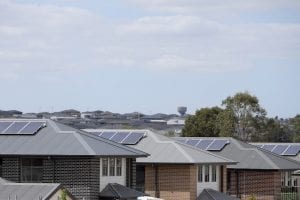
This initiative – highlighted recently by Renew Economy – aims to procure an impressive 2.5 gigawatts of additional wind and solar energy capacity, with a strong focus on hybrid solar-battery systems that can generate electricity beyond daylight hours when rooftop solar production is at its peak.
Details of the Tender
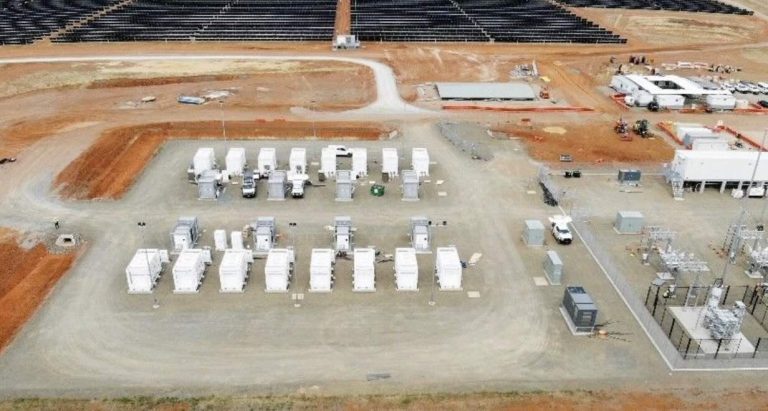
In addition, the government seeks another 12 gigawatt hours of long-duration storage solutions, encompassing both battery systems and pumped hydro facilities. These storage options are critical to ensuring that energy supply remains steady and that electricity can be dispatched during peak demand or adverse weather conditions that may affect renewable generation.
State Climate and Energy Minister Penny Sharpe expressed the significance of this tender, stating, “This is the largest renewable generation tender in NSW history, underscoring our commitment to providing more affordable and dependable power for both households and businesses.”
She added that “Tender 8” alone is set to supply enough energy to accommodate around a third of homes across New South Wales, representing a significant milestone in the effort to secure the future of the state’s electricity framework.
Minister Sharpe also noted, “Tender 9 guarantees that we can efficiently store renewable energy, allowing it to be accessed on demand, which enhances the stability and reliability of our grid.” She stressed the importance of ensuring lights stay on as coal-fired power stations age and phase out, while simultaneously aiming to reduce electricity costs for families in the state.
Innovations in Energy Solutions
A noteworthy aspect of the new generation tender is the introduction of a specially crafted Long-Term Energy Services Agreement (LTESA) that applies specifically to solar-battery hybrids, which have recently emerged as a pivotal technology within the energy sector.
These hybrid projects can avoid negative pricing during daytime hours as the generated solar or wind energy can be stored locally and dispatched when it’s most needed, rather than being curtailed. Additionally, the capacities of the batteries must not exceed that of the adjacent solar or wind farms, with a minimum requirement of four hours of stored energy.
This marks the first generation tender issued by New South Wales in several years, as the programme was paused to meet the quotas established by the federal government’s flagship Capacity Investment Scheme.
Sharpe mentioned that the successful bidders from this tender are projected to help New South Wales achieve 90% of its targeted 12 gigawatts of new renewable capacity by 2030, provided that the necessary development deadlines are adhered to. Another 2.5 gigawatt tender is anticipated to be launched later this year.
Current Developments
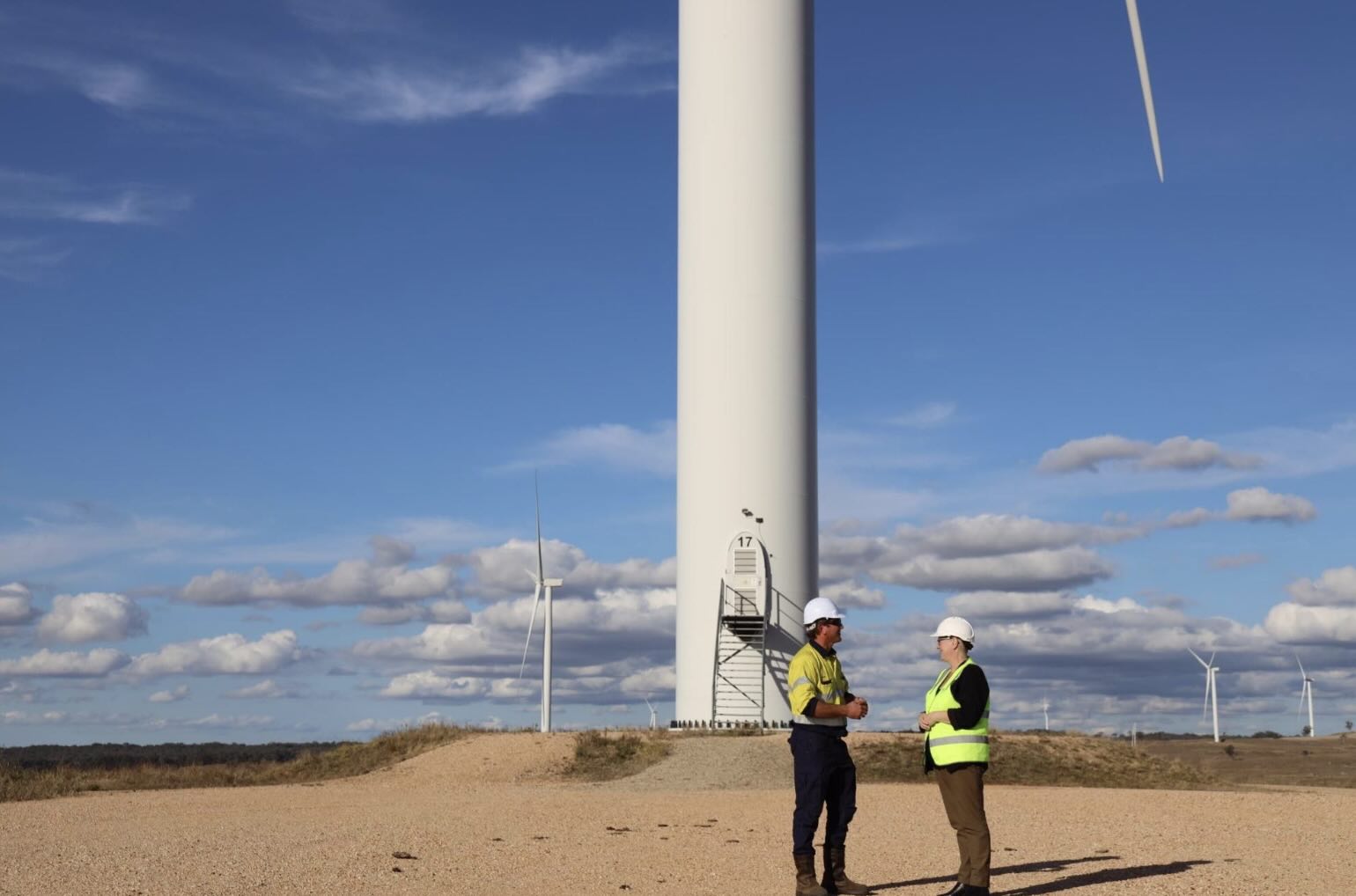
Presently, the state has only one wind farm actively under construction, amid an increasing number of large-scale projects awaiting financial approval. Delays in these projects may compel the state to secure additional agreements to postpone the closures of coal-fuelled power stations, similar to what has been done with Eraring, Australia’s largest coal generator.
Nevenka Codevelle, CEO of ASL, which oversees the state and federal tenders, indicated that there is a particular emphasis on wind and solar hybrids that address network-related risks, additional infrastructure costs, and consider any possible near-term curtailment challenges.
“As we move closer to 2030, we are prioritising projects that can be financed and constructed promptly,” she remarked. “Proponents showcasing their capacity to deliver energy to the network on time and competitively bidding for the necessary support to reach financial completion will be favourably positioned to succeed in this process.”
The tender process is officially open as of Wednesday, granting proponents a seven-week window to submit their bids. It is anticipated that the results will be announced by the end of the year.