Fortescue CEO: Trump Boosted Renewables More Than Anyone in a Century
The CEO of Fortescue, Dino Otranto, asserts that the company’s ambitious transition to renewable energy, aiming for “real zero” emissions in just four years, has been significantly facilitated by the unintended consequences of President Donald Trump’s contentious policies towards Iran.
Fortescue has consistently maintained that adopting wind, solar, battery storage, and electric vehicles for mining operations is not only essential for environmental integrity but also economically pragmatic. Recently, this economic rationale has gained momentum due to a notable rise in fossil fuel prices, which has created instability in the energy market.
Changing Costs amidst Energy Uncertainty
During the Pilbara Summit held in Karratha, Otranto shared his personal experience with fluctuating diesel prices, revealing that he recently paid $400 to fill his dual cab ute with diesel, only for the cost to drop to $200 two weeks later. He remarked on the unpredictability of these costs: “You begin to question if these price swings are anomalies, and while I won’t change my practices, the historical frequency of these irregularities is telling.”
Otranto expressed astonishment that Trump’s recent decisions have inadvertently advanced climate action more significantly in three months than any effort over the past century. The shifting energy landscape has forced companies to reconsider their dependence on traditional fossil fuels due to unpredictable price movements, which can undermine diesel tax incentives.
Pioneering Renewable Projects in the Pilbara
Situated in one of Australia’s wealthiest regions, the Pilbara, where renewable energy currently constitutes a mere two per cent of total electricity supply, Fortescue is embarking on ambitious renewable projects. Otranto stated, “Much of our industry faces criticism for being unable to build and connect infrastructure in such arduous environments. History has demonstrated the challenges of transitioning from centuries-old mining practices that predominantly relied on fossil fuels.”
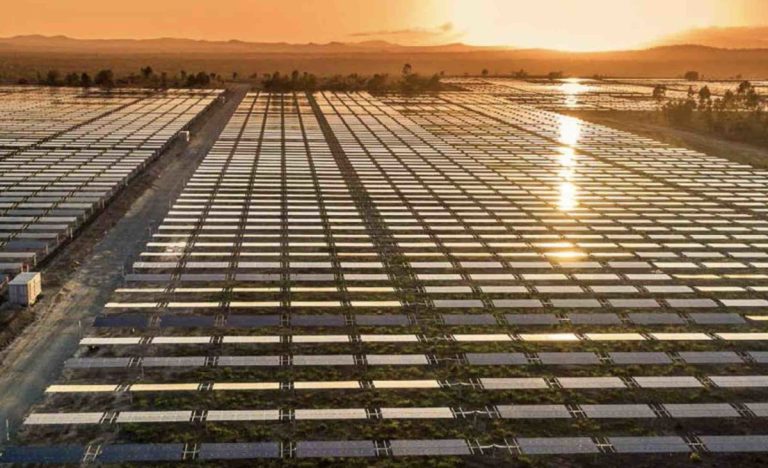
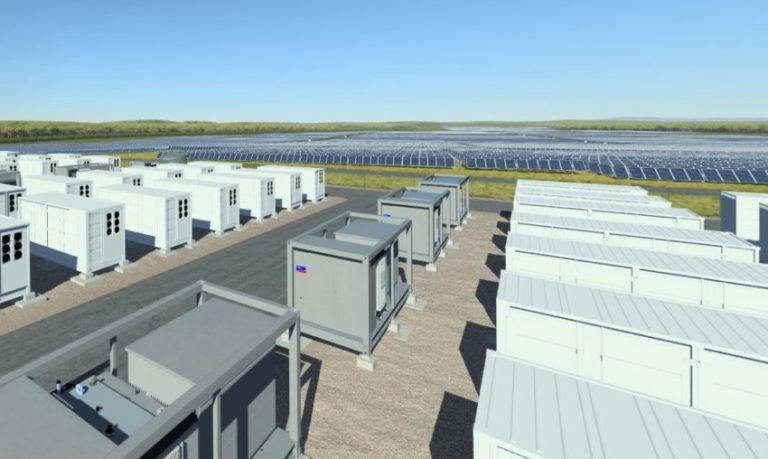
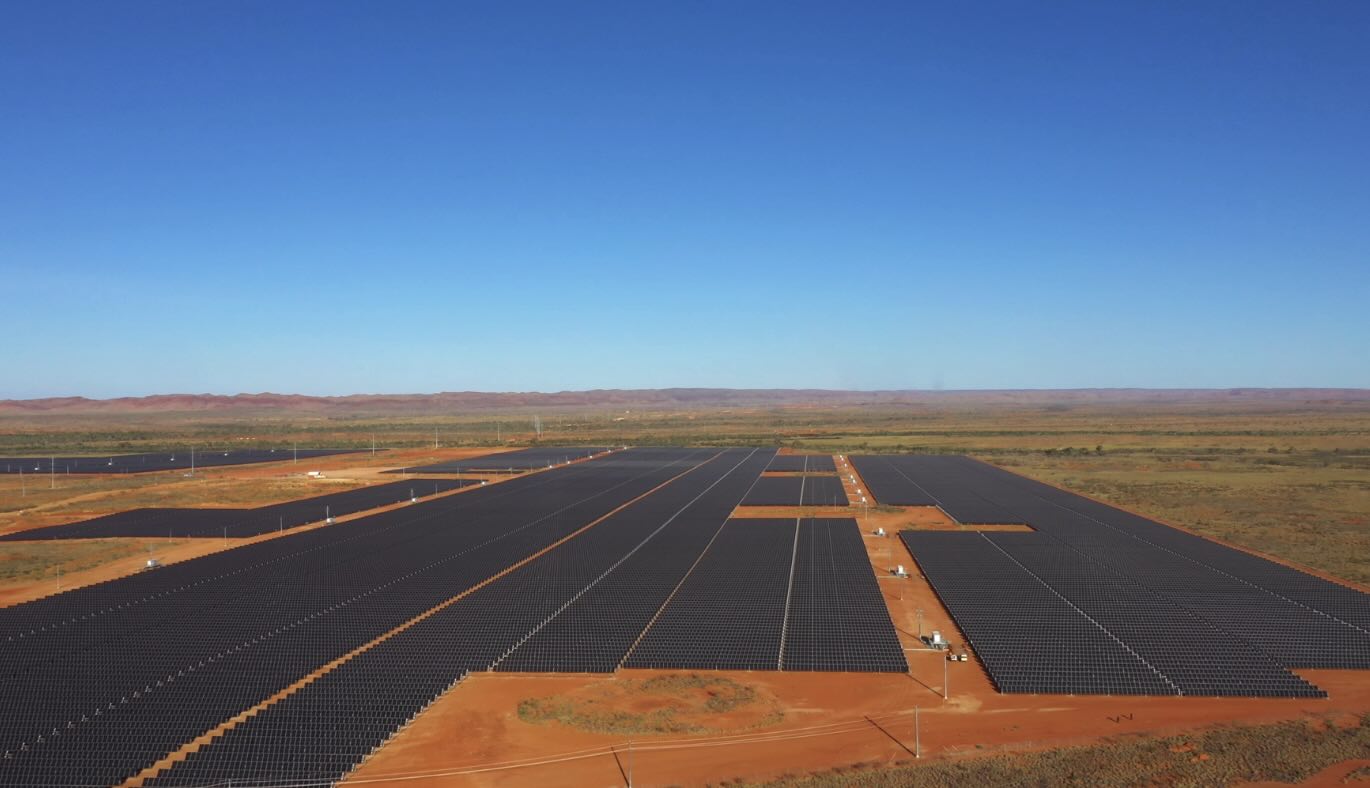
The company is in the process of constructing one of the largest off-grid energy networks globally. Once completed, it will feature over a gigawatt of solar capacity, substantial wind generation, extensive battery storage, and hundreds of kilometres of transmission lines.
By the start of next year, Fortescue plans to achieve 290 megawatts of dependable renewable energy within its network, which would be equivalent to about half of Perth’s energy demands. This initiative is just the beginning of the company’s plans to scale up renewable energy capacity across the region.
Innovative Technologies and Future Projections
Otranto highlighted several cutting-edge technologies being integrated into their operations, such as self-erecting wind turbines developed by Nabrawind, which Fortescue has acquired. This technology allows all components to be transported using standard trucks and can be assembled within just 24 hours, a revolutionary development in the field.
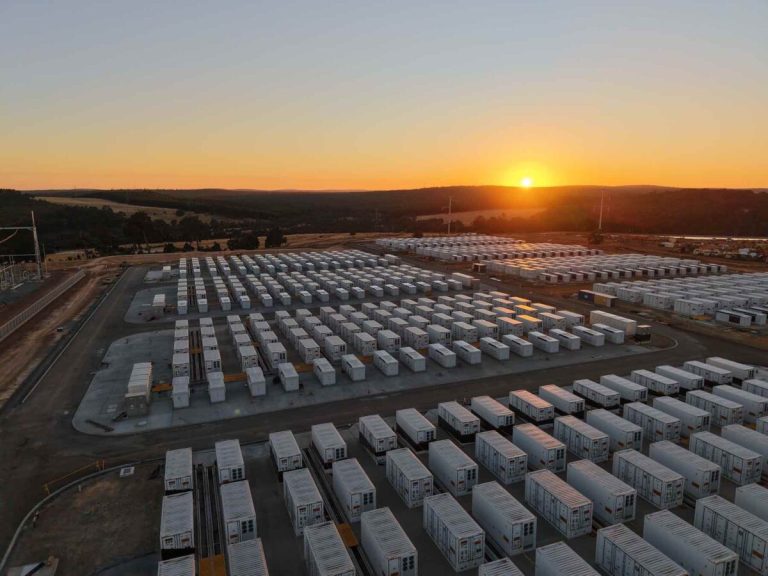
In addition, the firm is receiving thousands of battery storage units by BYD in shipping containers, which are slated for its sites in Port Hedland. Further advancements include automated solar panel installation systems designed to operate efficiently despite the challenging environmental conditions.
Otranto also likened the installation of solar panels to the simplicity of operating a home’s automatic lawn mower. The ease of usage allows for scaled deployment of solar technology, crucial for meeting renewable energy demands at a significant pace. He emphasised the importance of embracing innovative robotics and automation to ensure the scalability of renewable energy projects as the world grapples with climate issues.
Future Prospects for Renewable Energy in the Pilbara
When Fortescue concludes its expansive renewable energy projects, the share of renewables in the Pilbara is forecasted to increase to 25 per cent from the current two per cent. This growth opens pathways for emerging sectors such as green metals, data centres, and hydrogen production.
Otranto concluded with a strong assertion that this transition is not only driven by a sense of responsibility towards climate change but also represents a profitable economic opportunity. “There has been considerable discussion about this over the past five years, but now the world is finally beginning to take notice,” he remarked.