Off-grid Gold Mine Achieves 75% Renewable Energy in Winter
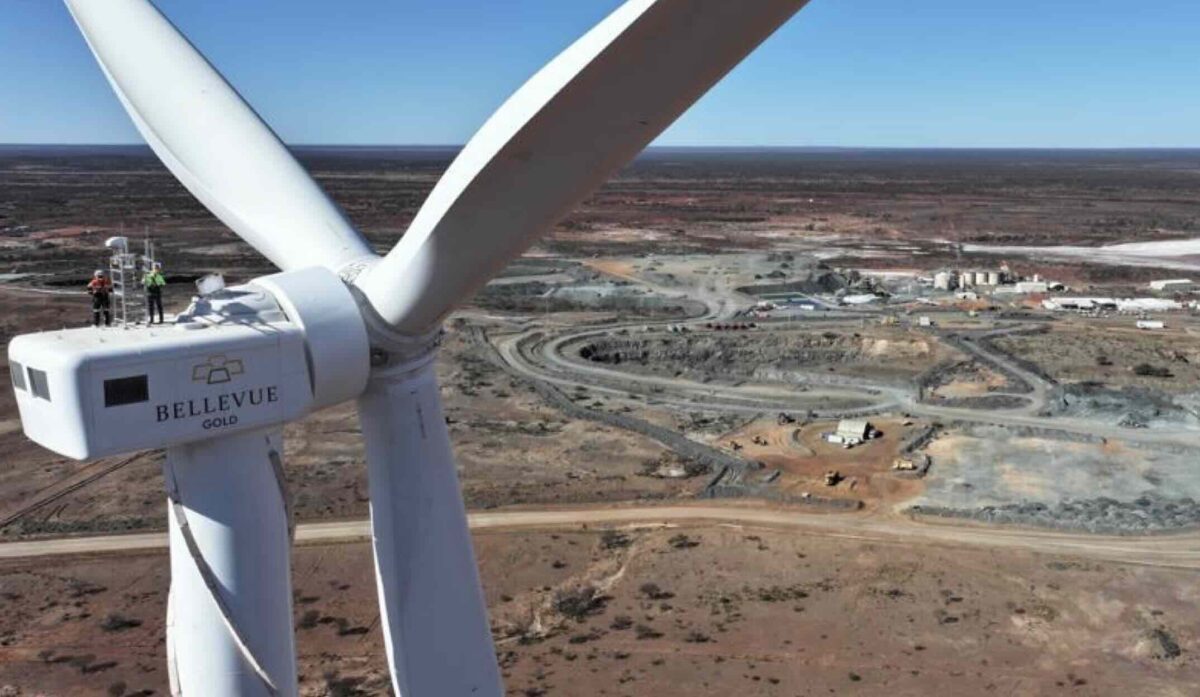
A gold mine in Western Australia has successfully navigated one of the harshest winter periods while maintaining an impressive average of 75 per cent renewable energy use. Bellevue Gold, which recently completed the installation of its full 51 megawatts (MW) of wind and solar capacity, managed to rely predominantly on renewables during the September quarter, with minimal dependency on gas and diesel backup systems.
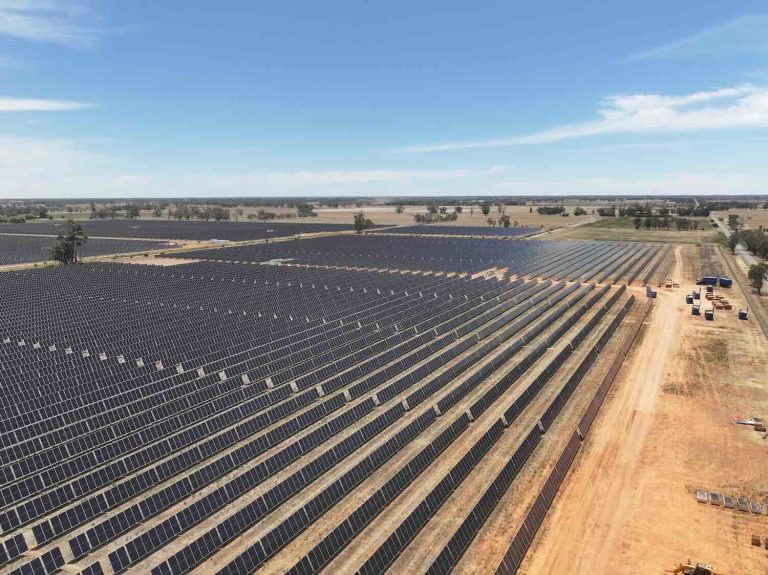
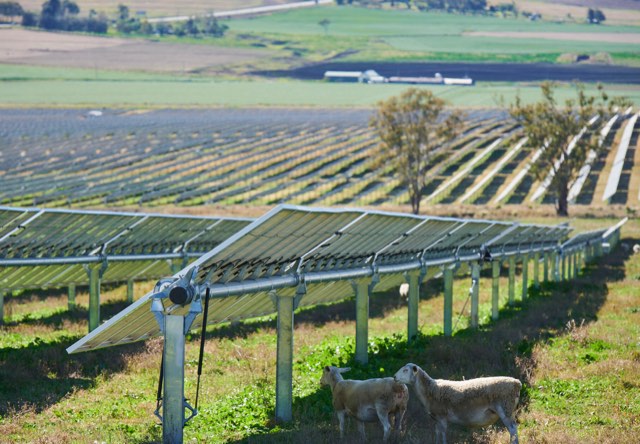
Power specialist Zenith Energy developed a robust energy infrastructure for the mine, comprising 24 MW of wind, 27 MW of solar, and a 15 MW battery capable of two hours of energy supply. This setup was intended to fulfil around 80 per cent of the mine’s energy requirements.
Outstanding Performance in Renewable Energy
During its first full year operating with the new system, which ended on June 30, Bellevue Gold exceeded expectations, running on an impressive average of 83.5 per cent renewable energy, with a load average of 12.8 MW. Notably, the mine recorded monthly peaks of 93.8 per cent renewable output and achieved a remarkable 155 consecutive hours of operating solely on renewables without any engines running in May.
Industry Trends Towards Sustainable Solutions
The mining sector is increasingly adopting wind and solar energy, propelled by advancements in battery storage and energy management systems. Other companies such as Liontown Resources and Lynas Gold—both associated with Australia’s wealthiest individual, Gina Rinehart—have reported similar successes in renewable energy integration.
Meanwhile, Andrew Forrest, another high-profile iron ore magnate and advocate for green energy, is in the process of establishing over 2 GW of wind and solar capabilities, alongside more than 4 GWh of battery storage. His aim is to entirely eliminate fossil fuels from Fortescue’s expansive operations in the Pilbara region.
Bellevue Gold’s Emission Claims
Bellevue Gold has proclaimed itself as the world’s first gold mine to achieve net zero scope 1 and 2 emissions, although this claim includes carbon offsetting measures and acknowledges that the decarbonisation of its mining equipment and transportation is still pending.
Weather Challenges and Performance Insights
During the last fiscal year, the mine experienced its lowest renewable energy performance in June, typically the coldest and least windy month, as noted by data from the Bureau of Meteorology at Leinster Airport, the nearest weather station to the site. This June recorded below-average sunshine, generating just 3.3 kilowatt-hours (kWh) per square metre, translating to 11.9 megajoules per square metre, according to the BOM chart.
Of the past 37 years, only 13 Junes have exhibited lower sunshine levels at Leinster, one notably in 1992, which followed a significant volcanic eruption at Mount Pinatubo in the Philippines the year before.
Conversely, April and January saw a rise in diesel consumption, yet solar radiation for those months aligned with local averages. June was challenging for wind generation as well, though it wasn’t as poor as July—a month slightly beyond Bellevue’s fiscal reporting for 2026, according to data from the Leinster Airport from 1994 to 2026.
In fact, peak wind gusts for both April and January fell short of the highs recorded in previous years, specifically 2010 and 2022. Still, observations showed that the wind run, which measures wind speeds, exceeded the average for those two months.