Australia’s Renewable Energy Projects Surge with Big Batteries Dominating
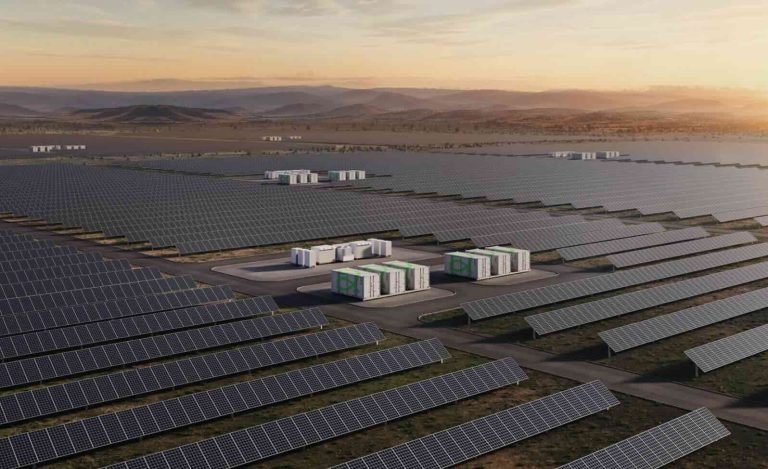
Recent data reveals that Australia is witnessing a significant influx of renewable energy generation and storage projects vying to connect to the primary electricity grid, surpassing the country’s current generating capacity. Notably, over half of these new applications consist of large battery installations.
The latest report from the Australian Energy Market Operator (AEMO) indicates that there are now 80.9 gigawatts (GW) of generation and storage initiatives in the pipeline for connection to the National Electricity Market (NEM). This figure exceeds the existing total capacity of 77 GW for the first time.
Growing Interest in Battery Projects
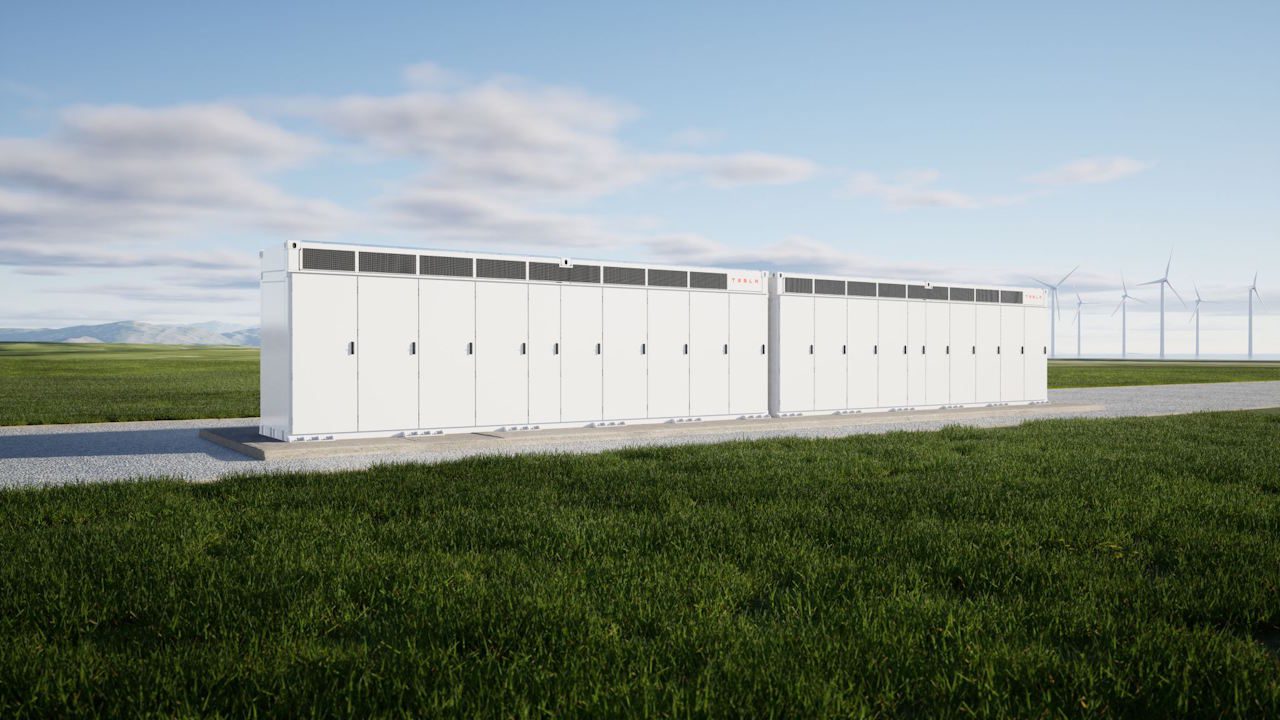
The connection queue expanded by 25 applications during the September quarter alone, with a total of 7.5 GW seeking to connect. Out of these new projects, 19 are battery initiatives, accounting for a remarkable 5.8 GW or 76% of the total.
Battery installations dominate the overall 80.0 GW queue, representing 55% of the entire connection process from application to commissioning. Other notable contributions come from hybrid solar and battery projects (19%), wind energy (15%), solar (5%), hydro (5%), and gas (1%).
James Lindley, AEMO’s group manager for onboarding and connections, remarked, “We are not only observing an increase in battery projects but also a rise in the volume of long-duration storage options.” He added that nearly 40% of the battery projects aim to provide between three and ten hours of storage capacity, which can significantly improve energy resilience during periods of low renewable output.
Challenges Ahead for Projects in the Pipeline
Despite the encouraging numbers, Lindley cautions that the pace of progress for each project could differ considerably, with some projects potentially failing to reach completion. A substantial portion—88%—of the current queue remains at the early application and proponent implementation stages.
According to AEMO, in the September quarter, 23 projects with a total capacity of 4.5 GW successfully obtained grid connection application approvals. Additionally, four projects, summing up to 1 GW, were formally registered and connected to the NEM, while seven projects with a combined capacity of 1.3 GW completed their commissioning and began full output.
Among these were four battery projects that achieved effective registration during the quarter, boasting a total discharge capacity of 1 GW and storage capability of 3.4 GWh. Notably, the “one compressed air (0.2 GW)” project received connection approval, comprising the September approval of the Silver City Energy Storage project. This 200 MW facility, with an up to eight-hour duration (1,600 MWh), is part of a pioneering renewable energy mini-grid to support Broken Hill in New South Wales.
Importance of Project Progress and Future Outlook
Lindley emphasised the necessity for projects to progress to commissioning, highlighting that about 15 GW of generation is anticipated to retire over the next decade, coinciding with a projected increase of over 40% in electricity consumption.
AEMO is actively working to facilitate project advancement through various reforms aimed at streamlining registration processes, enhancing technical frameworks, and improving the predictability of connection outcomes. However, several factors are beyond AEMO’s control, including state and federal approval processes, design changes, and delays associated with finalising commercial arrangements.
Victoria leads among the states in connection projects that achieved full output this quarter, accounting for half of the six projects completed, all of which are large battery systems, totalling 800 MW of capacity and 1.3 GWh of storage. This includes the Mornington battery energy storage system (BESS), which reached its full nameplate capacity of 240 MW and 480 MWh just before the end of September.