Fortescue Invests $1 Billion in Green Grid for Data Centres
Andrew Forrest’s Fortescue Metals Group has unveiled plans to channel US$680 million (approximately A$952 million) into a new off-grid renewable energy initiative, aimed at addressing the increasing demand for fossil-free power, particularly from data centres and other industrial sectors.
This latest investment comes in addition to the substantial $6.2 billion allocation aimed at eliminating fossil fuels from its extensive iron ore operations in the Pilbara region. This effort includes providing green energy to power electric transportation and mining machinery.
Introducing the Pilbara Green Energy Project
The innovative off-grid renewable project, referred to as the Pilbara Green Energy Project, is initially set to offer 200 megawatts (MW) of firmed power, with plans for expansion to multiple gigawatts post-2030. CEO Dino Otranto has commented on the current market dynamics for green power, noting a surge in interest from developers of data centres who are keen to advance their projects swiftly and eagerly seek sustainable energy.
Existing Renewable Energy Initiatives
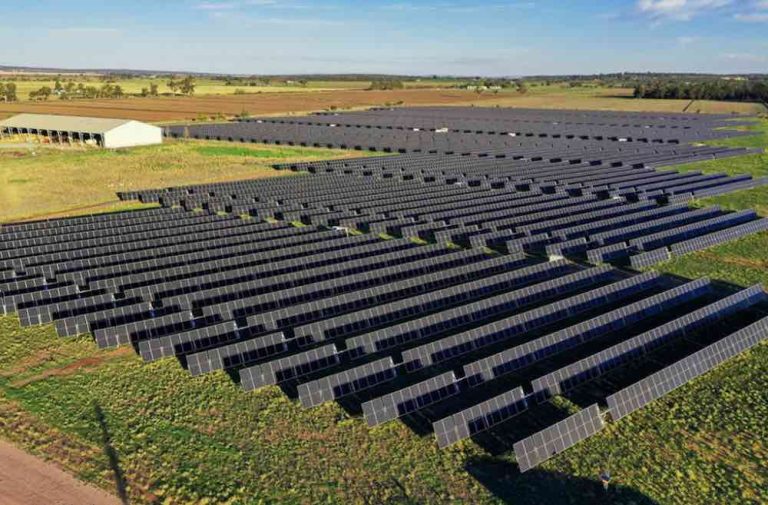
Fortescue is already in the process of developing a significant renewable energy portfolio, which includes 1.2 gigawatts (GW) of solar power, 600 MW of wind capacity, and 4-5 gigawatt hours (GWh) of battery storage. These are all being integrated through the construction of 620 kilometres of transmission lines to support its mining activities. The company aims to phase out fossil fuels from its iron ore extraction operations by 2030 and may achieve this goal sooner, depending on the efficiency of deploying over 300 large electric haul trucks starting later this year.
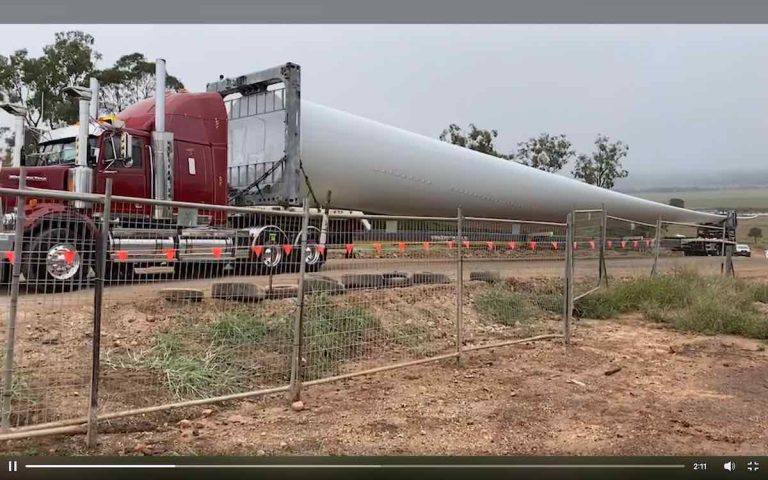
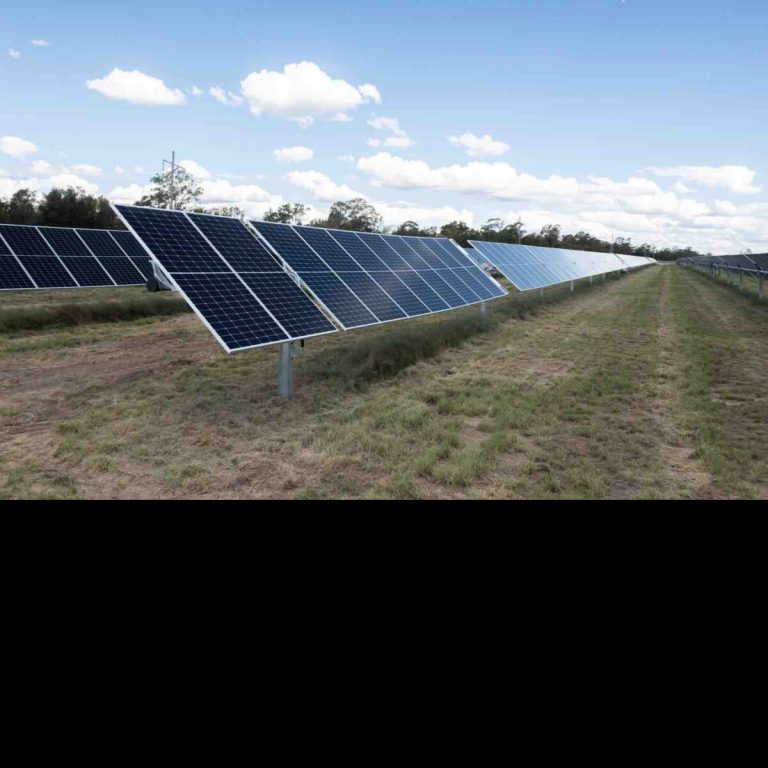
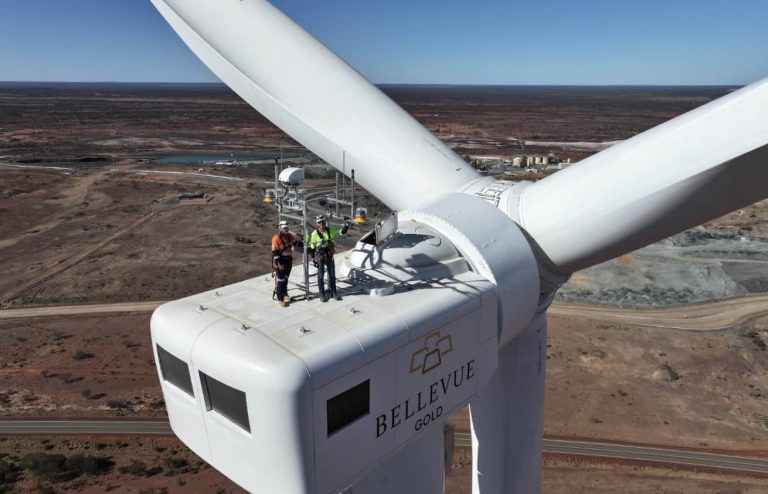
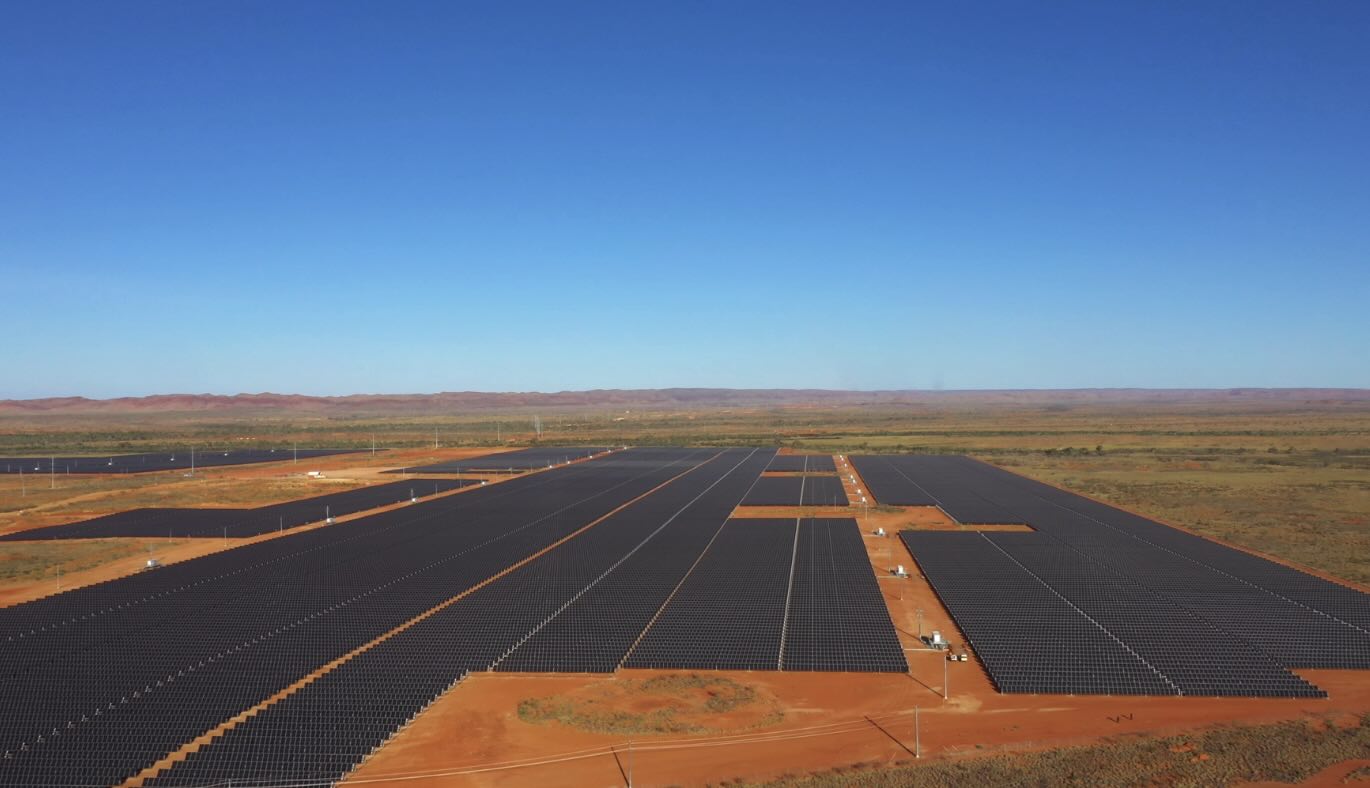
The renewable energy supply system is expected to be finalised by 2028, with the company currently erecting a major 440 MW solar farm at Solomon Airport and set to begin work on the 133 MW Nullagine wind project later this year.
Commitment to a Renewable Future
In a recent statement, Forrest, the executive chairman, declared that Fortescue is showcasing the feasibility of operating heavy industry on a wholly integrated renewable grid, which effectively eradicates fossil fuel use while enhancing cost-efficiency, reliability, and control. He emphasised the aim to extend this sustainable model to new clientele, particularly data centres, enabling them to meet one of the fastest-growing demands globally.
He added that this initiative is about recreating the Decarbonisation Green Grid, generating new green electrons capable of being delivered at a scale and pace that fossil fuel systems cannot match. This framework promises a pathway for new enterprises to function without fossil fuels, more economically and expediently than conventional methods.
Fresh Perspectives Amidst Past Criticism
Despite previous criticisms regarding their diminished green hydrogen ambitions, if Fortescue successfully realises its goals for green electrons, it could mark a pivotal moment in the global green transition. In discussions post-announcement, Otranto highlighted the current insatiable demand for green infrastructure, positioning the company to capitalise on this opportunity.
Fortescue previously indicated the potential to construct a new entirely green grid valued at $2.5 billion, featuring 2 GW of wind and solar capacity along with 4 GWh of battery storage. This would signal a firmed supply capacity of around 600 MW or more, paving the way for a multi-gigawatt expansion anticipated beyond 2030. The initial phase of this recent green grid initiative aims for 200 MW of firmed power, leveraging approximately 300 MW of solar, 200 MW of wind, and up to 1 GWh of battery storage.
Industry Trends Driving Green Energy Demand
Otranto cited Microsoft’s recent commitment of $25 billion towards AI infrastructure, security, and skills in Australia, as indicative of the burgeoning interest in green energy. Many proposals for data centres are currently leaning towards gas as a rapid but not always cost-effective or clean solution, such as a recently announced 790 MW project by the Finnish group Wärtsilä. However, Otranto stresses the overwhelming demand for low-cost, clean electricity that can be swiftly delivered.
He remarked, “The market for behind-the-meter green electrons for data centres and hyperscalers is thriving at present, driven by urgency to get to market.” He believes Fortescue’s capacity to build networks more efficiently than competitors, despite any criticism, positions them well in this burgeoning market.
Green Metal Goals
In terms of their Green Metal Project at Christmas Creek, Fortescue anticipates producing its first hot metal in the June quarter, exploring pathways for reduction technology. Otranto stated that the progression of their green grid is already underway, with 630 MW of solar and 133 MW of wind projects currently under construction.
“As we bring these systems online, we are fundamentally transforming our operations towards reduced reliance on fossil fuels, amid a backdrop of escalating uncertainty in energy supply,” Otranto noted. The firm remains committed to achieving first hot metal production at Christmas Creek within this financial year, marking a significant milestone for the project.