Queensland’s First Solar Community Benefits Agreement Signed Under New Planning Rules
Res Australia has made a significant move by signing Queensland’s inaugural solar community benefits agreement (CBA) with a local council, adhering to the strict regulations that came into effect last year.
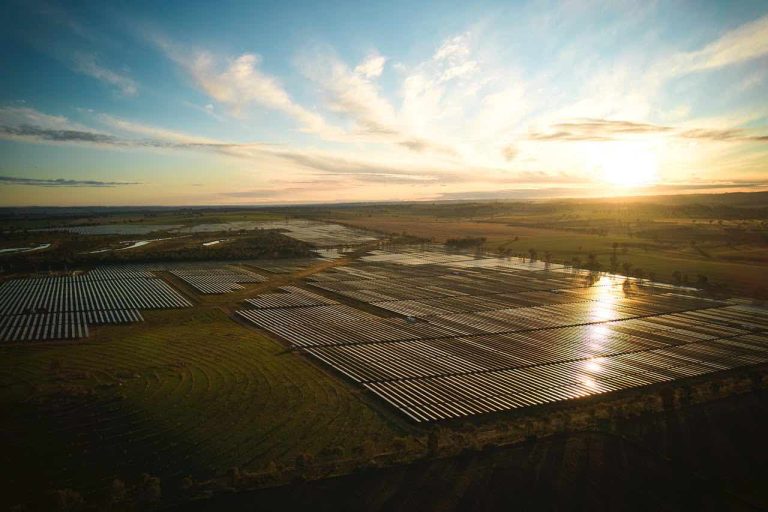
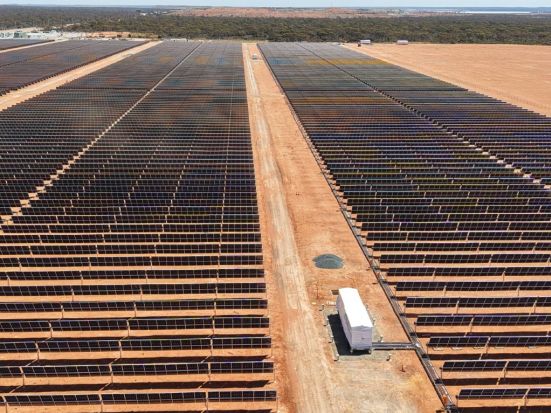
The development application for the 450 megawatt (MW) Wooderson solar project can now progress, after having been submitted prior to the announcement of these new stringent guidelines.
Details of the Agreement
The CBA, established with the UK renewable energy firm’s Queensland division, Central Queensland Power, marks the Gladstone regional council’s second such agreement under the recent regulations. It highlights the areas where the local authority can exercise its rights and where it has limitations.
Gladstone council’s first CBA was signed in February for Ampyr’s Rutherglen battery project, which is a 400 MW, four-hour facility.
Financial Contributions and Community Impact
The Wooderson CBA stipulates payments of $850/MW into a council-managed fund, amounting to up to $382,500 annually. Additionally, there will be a separate community benefits programme funded by the developer, contributing $1,000/MW during the construction phase and $150/MW throughout the operational life, directed towards seven local communities.
These financial rates will be adjusted in line with inflation.
The project’s eventual owner will also be obligated to provide a “operating contribution” of 5 per cent of the funds allocated, which will be approximately £20,000 per year, to cover the council’s administrative expenses.
Indications for Future Agreements
The two CBAs established by the Gladstone council offer a glimpse into what future developers might expect: a mandatory council fund alongside a community benefits programme informed by social impact assessments.
In October of the previous year, the council adopted a community benefits policy, stating that it would only approve CBAs that met specified minimum payments per technology, included the 5 per cent administration fee, and provided a community benefits sharing programme.
Records from the council’s meeting on April 7 reveal that Central Queensland Power initially suggested alternative arrangements for the Wooderson project, which were declined as they did not align sufficiently with existing policy.
Specificity in Community Benefits
Ultimately, the CBAs for both Wooderson and Rutherglen successfully adhere to the council’s requirements. The agreement for Rutherglen includes a Consumer Price Index-linked payment of $150/MW to the council-managed fund throughout the battery’s operational lifespan, alongside the stipulated 5 per cent administrative fee.
While there is a degree of flexibility in the community benefits sharing programme, it still requires council involvement “to prevent duplication,” according to the policy from October.
The draft agreement for the Wooderson project outlines specific percentages for community distribution, along with a local labour commitment aiming for 15 per cent of work hours to be completed by apprentices or trainees, and one-third by local workers.
Conversely, the Rutherglen agreement provides more precise guidelines on managing the community benefits programme, including a one-off payment of £40,000, followed by ongoing payments of £50 per megawatt-hour (MWh) into the shared fund, £15/MWh for neighbouring community payments, and a total of £160,000 allocated to fire services over five years.
New Regulatory Framework
Last year, Queensland introduced robust new rules governing wind and solar projects—and subsequently for batteries—that mandate proponents to conclude binding CBAs with councils prior to submitting planning applications.
In these regulations, social impact assessments must be conducted in advance to inform the agreements.
While some community advocates welcomed the new rules, viewing them as a means for residents to engage with impending projects prior to planning submissions, others expressed concerns that signing agreements before the planning stage could lead to standardised funds that fail to account for the unique circumstances of each project.
Mike Whitbread of Central Queensland Power remarked in a statement that the company was already undertaking a social impact assessment, but that the new requirements simply expedited the process.