Trina Solar Reports Increased Demand for Large Rooftop Systems and Batteries
The federal government’s expansion of the Small-scale Renewable Energy Scheme (SRES) is stimulating increased interest in solar panels and storage solutions, as commercial and industrial enterprises strive to produce and store more of their own energy. According to Trina Solar, a leading Chinese solar manufacturer, this shift is evident in the positive feedback from the industry, including distributors and providers of engineering, procurement and construction (EPC) services.
As of this month, the SRES has raised the maximum capacity for covered systems from 100 kilowatts to 1 megawatt. This change means a discount of approximately 20%, equating to a reduction of $68,000 on the cost of a 250-kW system, with estimated annual savings of around $50,000 on electricity costs, as stated by the government during the expansion announcement in August.
Gradual Increase in Commercial Installations
While the upswing in commercial and industrial (C&I) installations will take time due to the more complex planning and approval processes compared to residential solar, Trina’s head of operations in Australia, New Zealand, and the Pacific Islands, Edison Zhou, remains optimistic. Currently, commercial sales account for about 20% to 30% of Trina’s operations in Australia, with the majority still focused on residential. Zhou believes this ratio will grow as demand increases.
Zhou’s remarks came ahead of Trina’s announcement of a new solar module, scheduled for unveiling at next week’s All Energy Australia conference in Melbourne. The latest innovation, the Vertex S+ G3 Full Black solar module, is marketed as an Australian-exclusive product, merging “premium aesthetics and next-generation performance tailored for Australian rooftops.”
New Innovations in Solar Technology
This latest offering features an all-black design underpinned by the firm’s TOPCon 3.0 technology, reaching a power output of up to 510 watts with a 24.4% efficiency rate. The lightweight dual-glass construction comes with a 25-year product warranty, as outlined in a recent media release from the company.
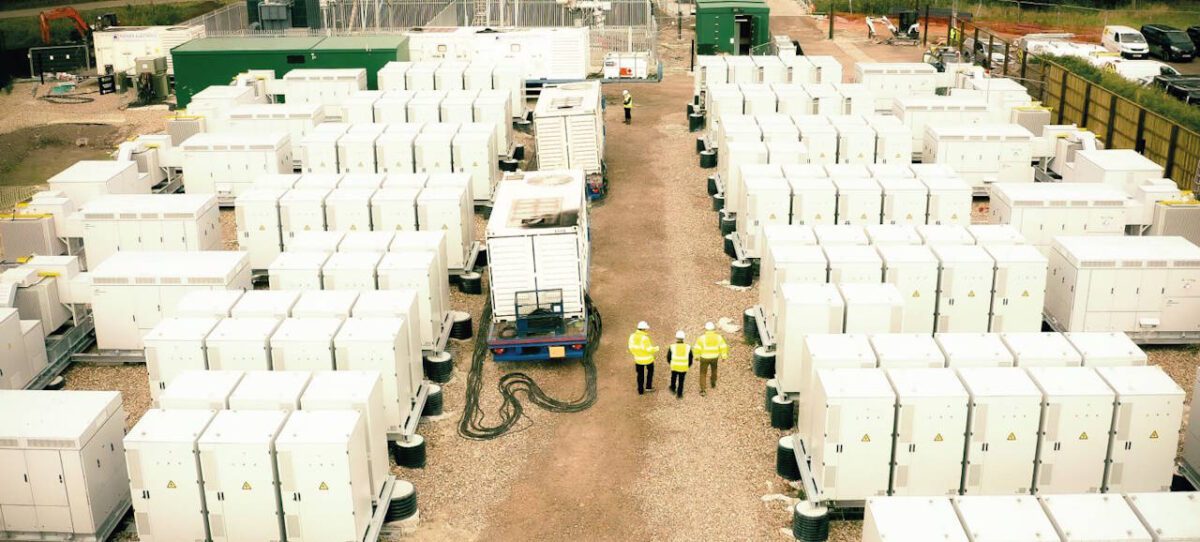
Furthermore, Trina plans to leverage the SRES extension to launch its C&I Integrated Engineering & Solutions product in Australia, integrating solar modules, mounting and tracking systems, and battery energy storage systems (BESS). The company will also showcase its 6.25MWh Elementa 3 battery at the All Energy event, which combines advanced direct current technology with alternating current integration capabilities.
Streamlining the Connection Process
Ryan Sequeira, head of Trina’s distribution sales in Australia and New Zealand, emphasised that networks must evaluate how much power commercial buildings with solar panels are likely to export to the grid before granting connection approvals. However, the connection process is becoming increasingly streamlined as more systems are sold with storage solutions, allowing the generated power to be consumed on-site and easing pressure on the grid.
Sequeira noted, “When businesses install panels, they also want storage to accompany them. It’s the complete package they’re aiming for.” He explained that EPCs consider this when preparing their grid applications.
Future of the SRES Scheme
The structure of the SRES expansion should foster ongoing demand in the C&I sector. Unlike the fluctuating values of residential SRES certificates, mid-scale certificates will maintain consistent value. “Whether you install in 2026 or 2028, the mid-scale certificates will yield the same value,” Zhou stated.
On the residential side, Trina is noticing a comparable drop in the average size of newly-installed solar systems in line with broader market trends, following the government’s reduction of subsidies under the Cheaper Home Battery scheme. According to Sunwiz data, the average size has fallen from approximately 12 kW to below 10 kW.
For Trina, the average size of batteries being installed is about 24 kW-hours, which is twice the amount prior to the initiation of the battery subsidy scheme, according to Zhou. This change indicates a shift in priorities, where discussions about storage have taken precedence in conversations with residential customers, with Sequeira commenting that inquiries about panels are now often left until later.
Market Adaptations and Growth
Despite these trends, Trina continues to realise sales in the “existing market,” where homeowners opting to add batteries are also replacing older, less efficient solar systems, Zhou explained. To better understand the needs of installers and retailers, Trina recently deployed its research and development team to Australia.
One notable shift has been Trina’s introduction of its 1.842-metre-long Vertex S+ panels, developed for both commercial and residential markets. This change allows warehouses to streamline stocking by eliminating the need for various sizes, which previously included options of 1.76m and 1.96m.
Demand across the Pacific region is also surging, particularly as countries like Fiji and Papua New Guinea seek to reduce reliance on costly diesel imports. In Fiji, where Trina has been a supplier since 2020, annual demand has increased from a few container loads to around 10 MW over the last three years, with notable customers including a university and a 3 MW airport project.
This rising demand has been bolstered by support from institutions such as the World Bank, the Asian Development Bank, and the UNDP, all of which are involved in initiatives providing solar panels to help illuminate remote village homes and expand microgrids across Fiji and neighbouring Pacific islands.
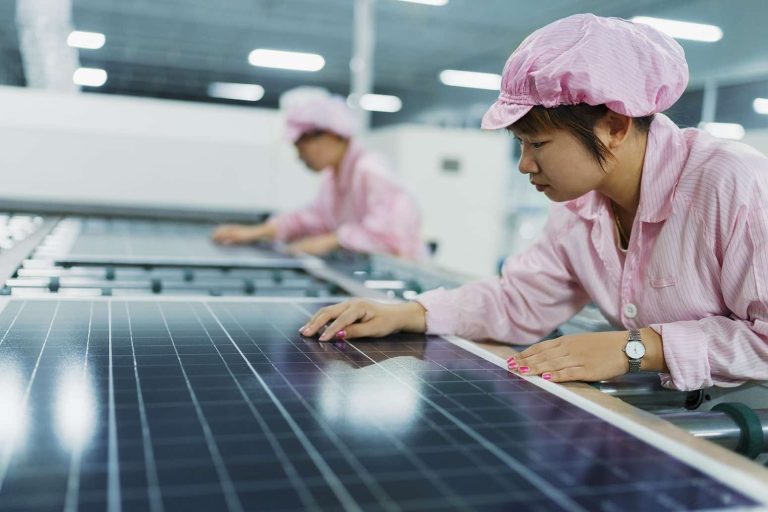
Trina, which consistently ranks among the top three global solar PV manufacturers, reported shipping over 350 GW of generating capacity since its establishment in 1997. Australia typically ranks among the top five markets for the company when considered alongside the European Union as a single entity, as Zhou explained.