5B Secures 70 MW Solar Order, Potential for 2 GW Expansion
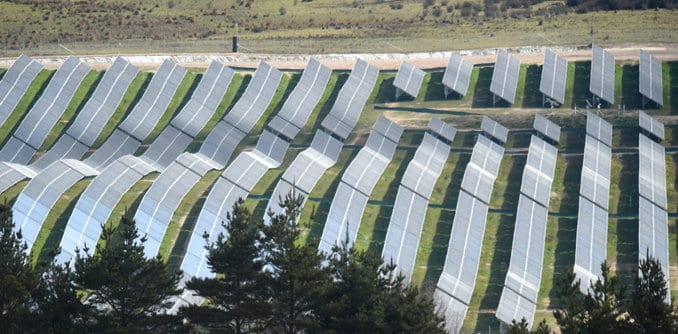
Australian solar technology pioneer 5B has announced a significant new order for 70 megawatts of its quickly deployable, pre-assembled solar units to provide the photovoltaic component of the versatile Aurora Energy Precinct located near Port Augusta in South Australia.
Based in Adelaide, 5B, known for its innovative “Maverick” technology which first received investment from the federal Labor government’s $800 million Solar Sunshot programme, unveiled the “initial” purchase order on Thursday. This order comes from 1414 Degrees, the entity responsible for the Aurora project.
Manufacturing and Deployment Plans
5B plans to manufacture its prefabricated solar technology in North Adelaide before transporting it to the designated site in the Upper Spencer Gulf Renewable Energy Zone, as stated in a LinkedIn post by the company.
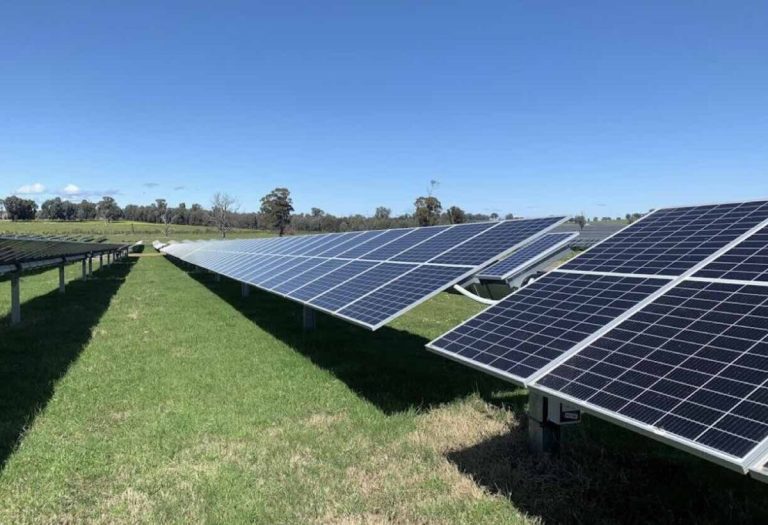
In a release from 1414 Degrees, which is listed on the ASX, it was highlighted that 5B’s technology was chosen for its compact design that aims to maximise solar generation capacity per hectare. This design supports the Aurora project’s projection of up to 2 gigawatts (GW) of solar capacity.
Project Scale and Capabilities
The initial deployment will cover an area of 42 hectares out of the approved 200-hectare solar development zone. According to the company, the Maverick layout has the potential to facilitate more than 300 MW of solar photovoltaic capacity within this space, pending detailed design and necessary approval alterations.
The 70 MW order is a notable achievement for 5B, even though it ranks behind its largest order to date, which was a substantial 140 MW acquisition by the owners of the Kalgoorlie Super Pit gold mine located in Western Australia.
Ownership Changes and Project Adjustments
Earlier this September, 1414 Degrees announced it had gained complete control of the Aurora Energy Precinct after purchasing Vast Solar Aurora, a subsidiary of Vast Renewables, which had been seeking administration late last year.
The original intention for the Aurora site included a 70 MW solar PV facility and a 150 MW solar tower complete with eight hours of molten salt storage. However, following the failure of its proponent, the US-based Solar Reserve, management of the project transitioned to SiliconAurora, a joint venture between Vast and 14D.
Plans have evolved since then, now aiming for a more ambitious 140 MW, with a 280 MWh battery and a smaller 30 MW concentrated solar power plant alongside a planned solar methanol demonstration project in collaboration with Vast and German energy firm Mabanaft.
Future Development and Innovations
1414 Degrees has indicated intentions to pilot its silicon-based thermal energy storage solution, TESS-GRID technology, which they claim delivers electricity firming services similar to that of a solar power tower project, providing up to eight hours of storage.
Despite Vast’s administrative troubles, 1414 Degrees has made strides on the 275kV transmission connection, identified a 33 kV development route, and entered a heads of agreement for potential development of up to 1 GW of AI data centre infrastructure.
This month, the company finalised its acquisition of Vast Solar Aurora for $350,000, thereby dissolving the prior joint venture structure and securing a pathway to advance financing, commercial cooperation, and phased development throughout the precinct.
The initial 70 MW solar development utilising 5B Mavericks will be integrated into Aurora’s Stage 1 grid-scale project, which also includes the approved 140 MW / 280 MWh Battery Energy Storage System (BESS).
“Placing this order is a significant step towards the delivery of Aurora’s initial 70 MW solar development,” affirmed 14D executive chair Kevin Moriarty in a statement released on Thursday.
He added, “The Maverick layout enables us to incorporate significantly more solar capacity within the available land, facilitating staged growth alongside storage, connection infrastructure, and customer demand.”
“We are actively working on power purchase agreements, infrastructure partnerships, and financing necessary for the project’s execution.”