Home Battery Growth and Free Power Transforming Grid Usage
Australia’s main electricity grid has seen a notable transformation in recent years, particularly with the rise of wind, solar, and battery storage technologies. Recently, however, the most significant changes have stemmed from the rapid adoption of home battery systems and the introduction of free electricity hours for consumers.
One of the latest initiatives contributing to this shift is the Solar Sharer offer, which mandates that energy retailers provide tariffs featuring three hours of complimentary electricity from 11am to 2pm across most states. While this offer is typically balanced out by elevated evening charges and additional network costs, many households equipped with substantial home batteries—acquired through federal government rebates—are taking full advantage of this arrangement.
Impact on Grid Demand
The Australian Energy Market Operator (AEMO) highlighted the significant influence of these changes in its most recent Quarterly Energy Dynamics report, noting a sharp uptick in midday grid demand. AEMO’s CEO, Daniel Westerman, indicated this trend in comments made last week.
Introduced on July 1 in many areas, AEMO’s data reveals that total demand across the National Electricity Market (NEM) surged by 360 MW between 11:00 and 11:05 am. Interestingly, the steepest increases were seen in Victoria, which experienced a +151 MW rise despite only formally adopting the offer on October 1, followed by New South Wales (+114 MW) and Queensland (+111 MW).
The graph provided illustrates that elevated midday demand is counterbalanced by diminished evening demand peaks, as households stockpile the free power generated during the day for later use.
Home Batteries Driving Change
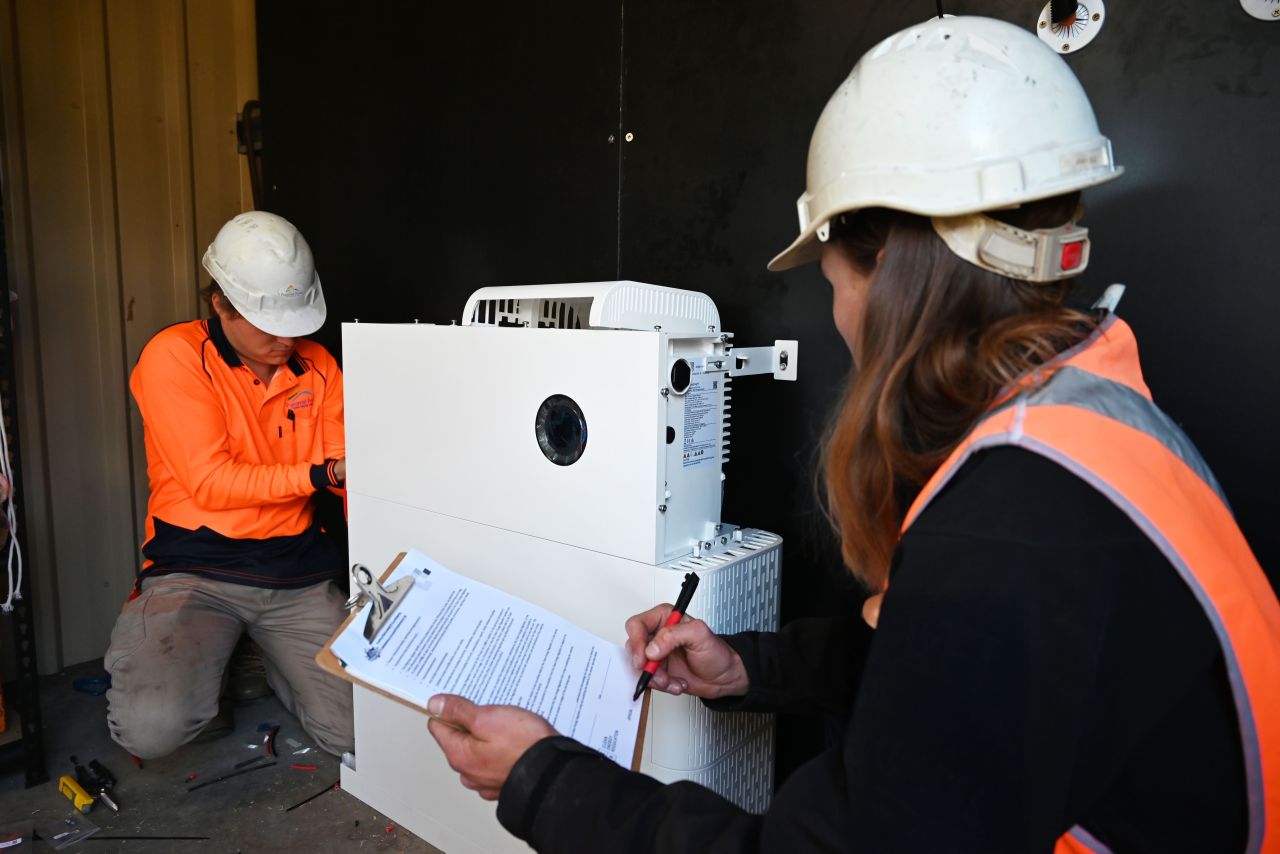
The growth of home battery usage has led to more than 14,000 megawatt-hours of energy storage since the scheme’s launch on July 1 of the previous year, with 1,652 MWh stored in the last quarter alone.
AEMO points out a significant divergence in energy consumption patterns between homes equipped with both solar panels and batteries, compared to those with solar only. “On average, households combining PV and battery systems are shifting to net energy exports later in the morning than those with solely PV systems and are exporting less energy overall, as batteries are charged before any surplus solar energy is sent to the grid,” the report states.
Additionally, battery-equipped homes remain net energy exporters for a longer duration during the evening peak between 4pm and 9pm, reflecting lower net imports compared to households utilising PV systems alone. Across the NEM, the average evening peak net import for homes with both PV and battery systems was 0.7 kW lower per household, showing a remarkable 74% reduction compared to those with just solar panels.
Effects on Energy Pricing
This shift in energy consumption patterns undoubtedly influences other forms of energy generation. With the integration of large batteries, there is a rise in demand and higher prices in the midday, coinciding with increased solar output. However, evening peak pricing sees a dip, which impacts both peaking plants and the coal generators that previously relied on high price spikes during those hours.