Rooftop PV and Batteries Lower Electricity Prices Amid Record Demand
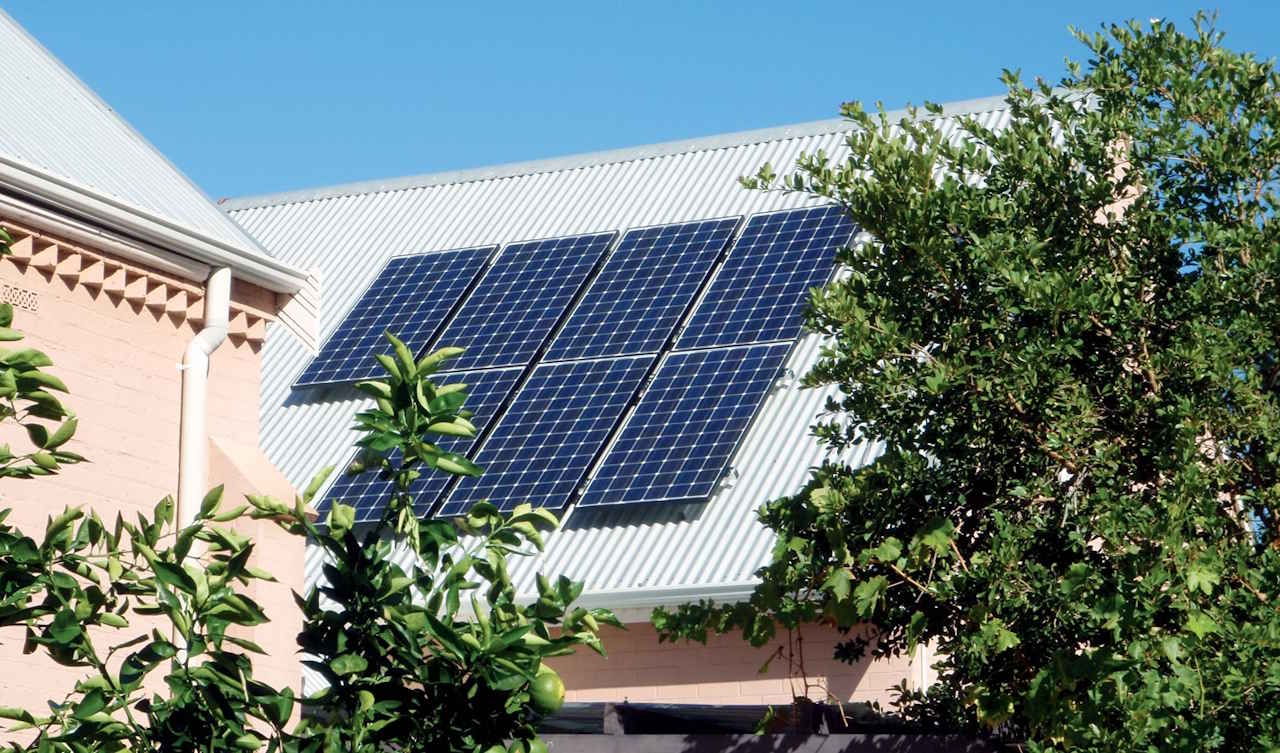
During the September quarter, Australia’s primary power grid saw unprecedented underlying demand, yet the influx of rooftop solar panels, home batteries, and utility-scale renewable energy sources contributed to reducing average wholesale electricity prices to their lowest level in five years.
The Australian Energy Market Operator (AEMO) noted that the rise in both residential solar and battery storage, as well as larger grid-scale batteries, is fundamentally altering the energy landscape. Notably, gas generation reached its lowest quarterly output since 2000, coinciding with these lower prices.
Impact of Renewable Energy
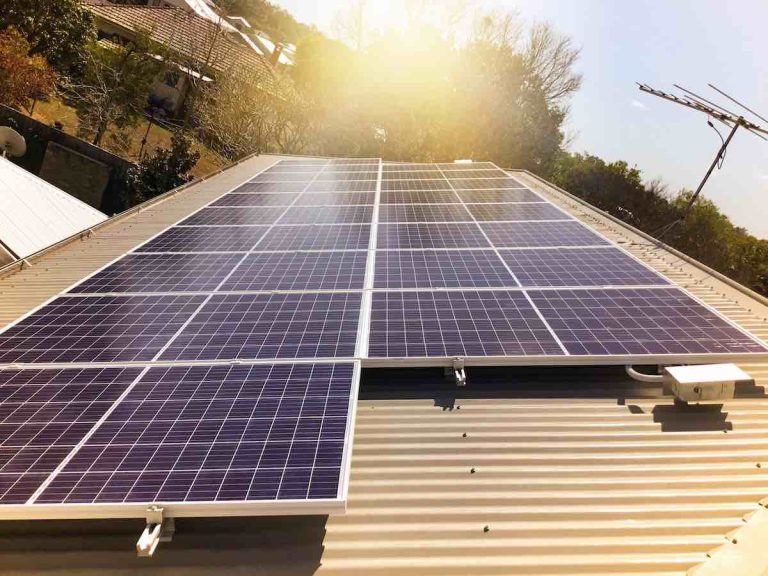
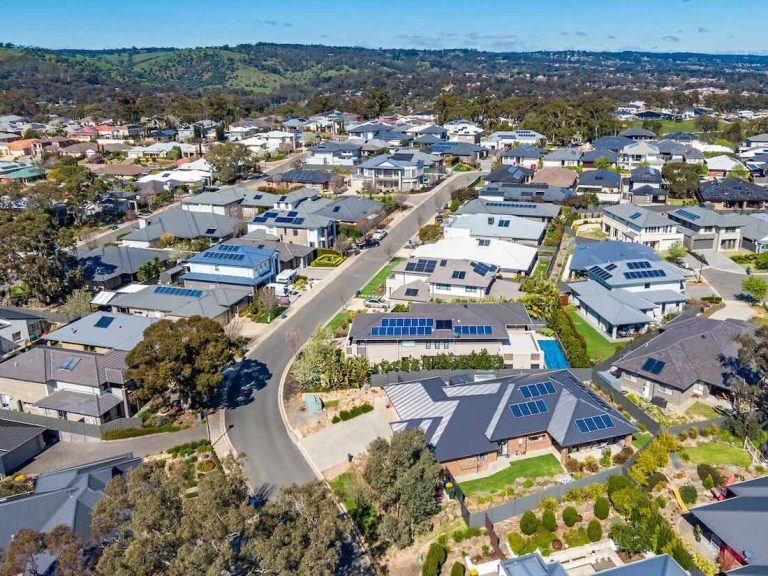
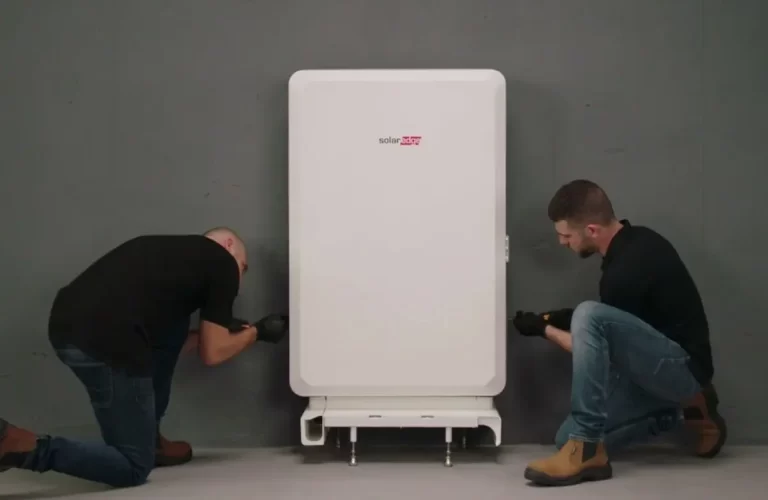
Homes equipped with solar and battery systems are now drawing 75% less electricity from the grid during peak evening hours compared to those with solar alone. Furthermore, large-scale batteries are now influencing prices during nearly half of all operating intervals, as highlighted by CEO Daniel Westerman last week.
AEMO’s recent Quarterly Energy Dynamics report also reveals that, for the first time, grid-scale batteries are providing a higher share of electricity during evening peak hours than gas-fired generators, further driving down prices in those time slots.
Shifts in Energy Demand and Supply
“Electricity consumption is on the rise, but the increased use of solar and storage is reshaping the timing of energy production and consumption throughout the day,” said Violette Mouchaileh, AEMO’s Executive General Manager of Policy and Corporate Affairs. “Batteries are effectively transferring record quantities of renewable energy to meet the higher demand during the evening, which is typically when households and businesses require more power.”
Despite a rise in underlying demand, averaging 25,472 megawatts due to ongoing electrification, industrial increases, and higher data centre usage—particularly in Victoria—overall operational demand on the grid decreased. This reduction is attributed to the growth of rooftop solar, which contributed to a 27% decline in average wholesale electricity prices across the National Electricity Market (NEM), bringing them down to $63/MWh, the lowest for this time of year since 2021.
In terms of regional price averages, Victoria and Tasmania reported the lowest figures at around $56/MWh. Queensland’s average stood at $61/MWh, followed by South Australia at $69/MWh, and New South Wales at $74/MWh.
Growth of Renewable Energy Sources
The share of renewable energy in the mix expanded during the September quarter, achieving a record Q3 contribution of 44.3%—a significant increase from 41.8% the previous year—despite a 6% dip in wind generation.
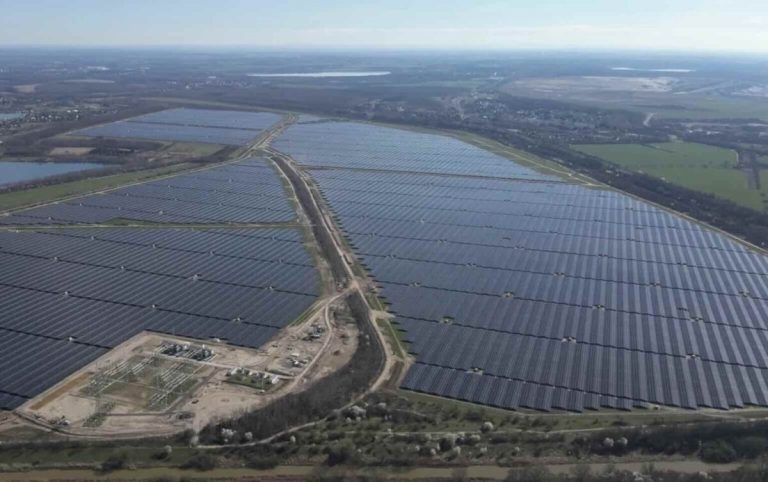
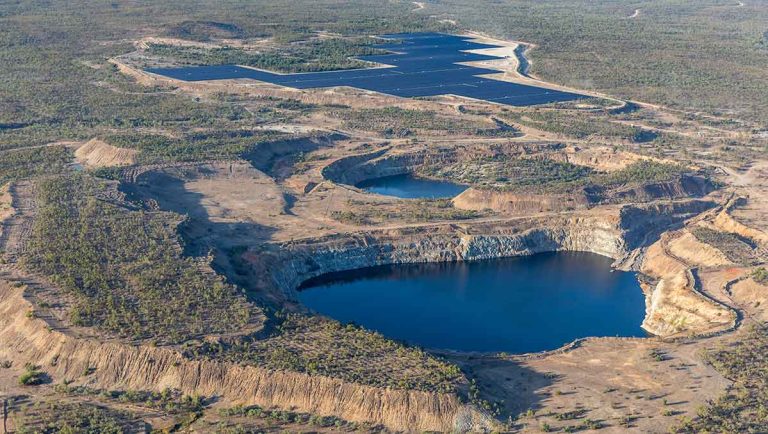
Grid-scale solar output surged by 30% to reach a new Q3 high of 2,211, facilitated by enhanced battery storage that reduced the economic need for curtailment. The demand during midday hours has similarly increased thanks to the Solar Sharer initiative, which provides complimentary power in the middle of the day.
Hydropower output also saw an uptick during the quarter, with renewable energy penetration reaching an unprecedented high of 80.4% for a half-hour period on September 19.
Changes in Pricing Dynamics
One noteworthy trend was the decline in negative priced events due to increased battery charging, especially in Queensland, where instances of negative pricing fell to 43% of dispatch intervals—a 30 basis point decrease.
The average magnitude of negative prices also diminished from minus $16/MWh to minus $10/MWh. This reduction reflects decreases in large-scale generation certificate prices, which have halved over the past year, now sitting at just $7 per certificate.