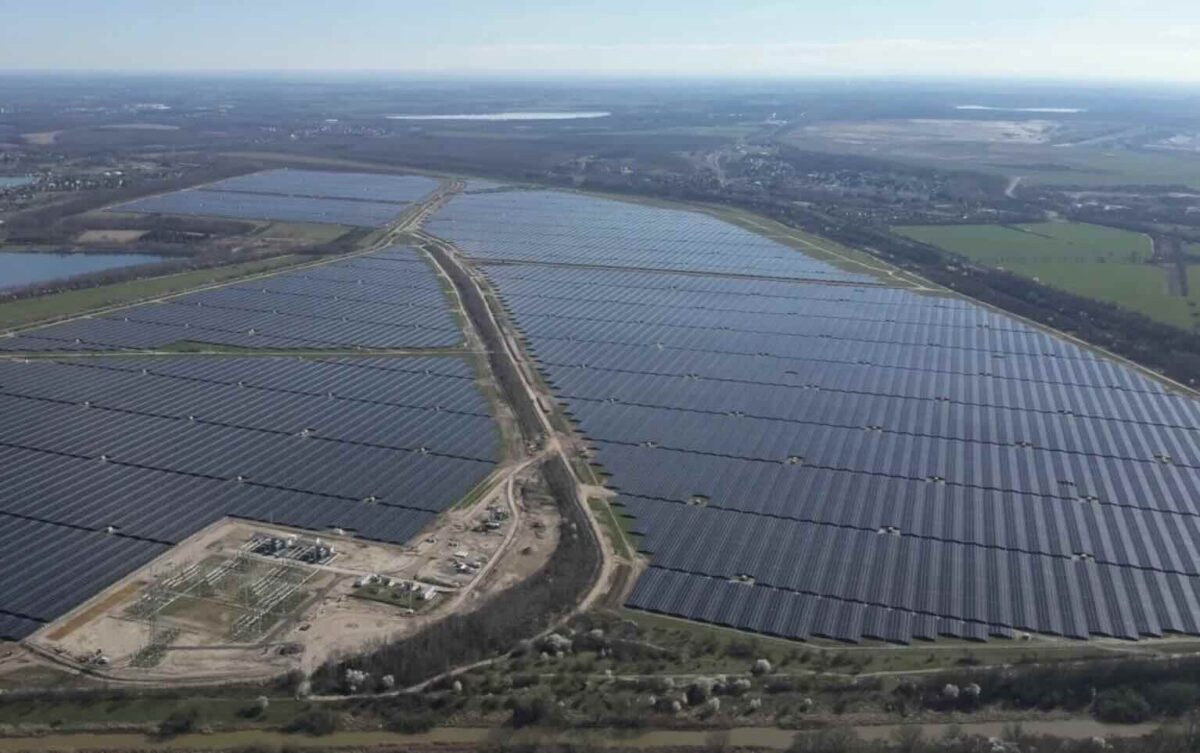
Germany Achieves Record Solar Power Generation, Outpacing Australia
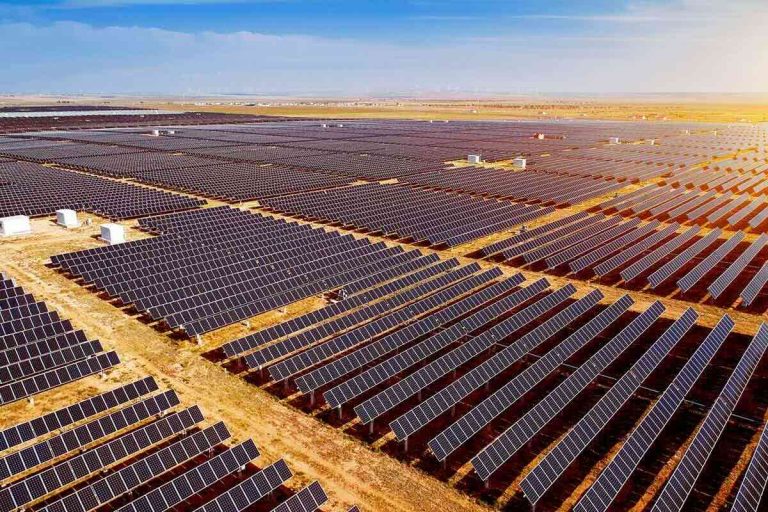
By the end of September, Germany’s solar energy output has reached levels equivalent to its entire production in 2025, as reported by BSW-Solar. This figure also highlights that Germany’s solar generation has nearly tripled that of Australia during the same timeframe.
As of 27 September, Germany achieved a remarkable 90.2 terawatt hours (TWh) of net electricity generation from solar for 2026, exceeding last year’s total of 90 TWh, according to insights from the research institute Fraunhofer ISE. In contrast, Australia’s solar energy production for the same period stands at 31.5 TWh on the main grid and an additional 3.2 TWh on Western Australia’s separate grid, as highlighted by Open Electricity’s data.
A Moment of Pride for Germany
BSW-Solar’s Director, Carsten Körnig, expressed that this achievement is a source of pride for Germany. The increase in solar energy output can be attributed to both the expansion of solar capacity and a higher-than-average number of sunshine hours this year. Körnig emphasised that while this record should be celebrated, it shouldn’t lead to complacency.
Challenges to Energy Supply and Grid Management
As solar capacity continues to grow, Germany’s electricity grids are facing significant challenges, particularly due to limited flexible electricity management and an increasing requirement for energy storage solutions. There has been a noticeable rise in the duration where electricity supply surpasses demand, leading to negative power prices in wholesale markets. Consequently, this situation has also resulted in more instances of renewable energy curtailment, where wind and solar production is intentionally reduced to manage grid limitations.
Government Proposals and Industry Concerns
The coalition government in Germany is currently considering new regulations to support renewable energy installations and enhance grid connections, which are intended to improve the integration of renewable sources. The proposed laws may reduce incentives for new solar and wind projects in areas that frequently experience grid congestion, along with diminishing support for small-scale rooftop solar.
Economy Minister Katherina Reiche has contended that developers of renewable projects should assume the financial responsibility if their electricity production must be curtailed. She believes that small solar installations have matured in the market and no longer require government backing.
However, these reform initiatives have faced significant backlash from researchers and industry stakeholders, who warn that such changes could hinder investment and curtail the growth of the renewable energy sector.
Setting Ambitious Solar Targets
Germany has set an ambitious goal of achieving 215 gigawatts (GW) of solar capacity by the year 2030, a substantial increase from the current 130 GW. Körnig warned that in order to reach these future goals, it is imperative to foster investment rather than impose additional obstacles.