Record Rooftop Solar and Battery Installations in Australia for 2026
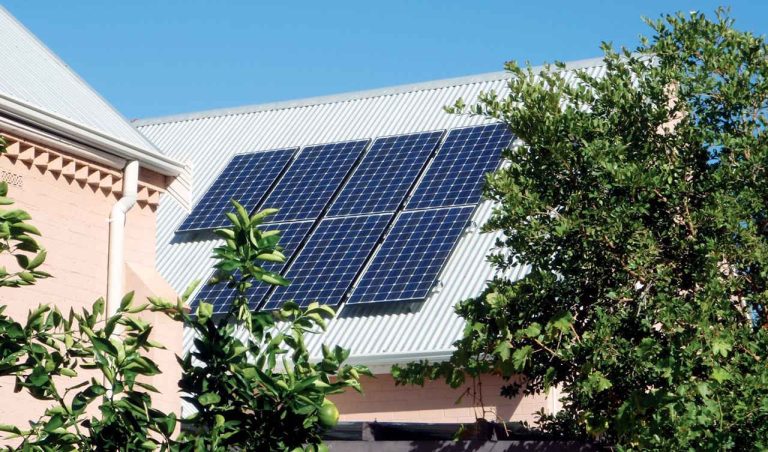
This year has seen Australian households embracing energy independence like never before, with record numbers turning to rooftop solar systems and home batteries in response to soaring energy prices influenced by global geopolitical factors.
Recent statistics indicate that over 100,000 households added new rooftop solar systems in the first half of the year, while an impressive 150,000 opted for home batteries during the same period, largely encouraged by the incentives provided by the federal government’s Cheaper Home Batteries programme.
Record Installations Nationwide
The Clean Energy Council (CEC) released its latest bi-annual Rooftop Solar and Storage Report on Tuesday, unveiling unprecedented installation figures from every state. In the second quarter alone, there were 102,234 installations contributing to a total capacity of 1,079 megawatts (MW).
This brings the cumulative number of rooftop solar systems installed until June’s end to 180,878, showing a significant increase of 35 per cent compared to the same timeframe in 2025, making it the strongest six-month performance since 2021. Overall, these systems have added 1,894 MW of new capacity, marking a year-on-year increase of 41 per cent and achieving the highest six-month record to date, illustrating advancements in solar technology that enhance energy efficiency and output.
Future Projections for Solar Energy
With current installation rates, the capacity of rooftop solar within Australia’s National Electricity Market (NEM) is projected to hit 40.3 gigawatts (GW) by 2029/30, exceeding the Australian Energy Market Operator’s (AEMO) ISP Step Change forecast by approximately 4.5 GW, or 13 per cent.
The CEC’s analysis also notes that since January 2019, Australian households have collectively installed a remarkable 21,979 MW of rooftop solar capacity, a figure that is near to matching the total remaining operational coal-fired generation capacity in the country.
Empowering Australian Households
Jackie Trad, CEO of the CEC, remarked, “The sun cannot be blockaded in the Strait of Hormuz.” She emphasised that Australians are not only recognising this truth but are also taking proactive steps to manage their energy usage amidst rising fossil fuel prices and inflation affecting household budgets.
In the initial half of 2026, there were 276,011 home batteries installed, bringing the total from the first year of the federal home battery rebate programme to 457,439 installations, equating to 12.9 gigawatt-hours (GWh) of storage capacity.
This indicates that the rate of home battery installations is outpacing that of solar systems, with 153 batteries now being fitted for every 100 new rooftop solar installations. Should current trends continue, consumer-level battery storage is expected to expand to 59.2 GWh by 2029/30, significantly surpassing the ISP’s projection of 33 GWh by 79 per cent.
The Rise of the Household Solar Boom
However, despite the rapid growth in solar and battery installations, the CEC believes there is still significant potential to enhance flexibility within the system. The organisation is particularly concerned that the majority of household batteries are currently underused for solar self-consumption and advocates for more widespread implementation of virtual power plants (VPPs), flexible tariffs, and flexibility markets.
This shift could allow households to be rewarded for generating power during peak demand, manage excess solar energy, and alleviate local network constraints, all of which would optimise existing infrastructure and potentially delay expensive upgrades, while also increasing the uptake of rooftop solar.