Trump Fails to Halt Clean Energy Growth as Renewables Surge
In the face of Donald Trump’s bold claims and conspiracy theories, the momentum of renewable energy has remained unabated during the first 18 months of his second term. The growth is particularly notable in solar, wind, and battery storage sectors.
According to a fresh analysis by the Sun Day Campaign, drawing on data from the US Energy Information Administration, the electricity generated by renewable sources rose by 10.7 per cent in the first seven months of 2026 compared to the same timeframe in 2025.
Leading the Charge: Solar and Wind Power
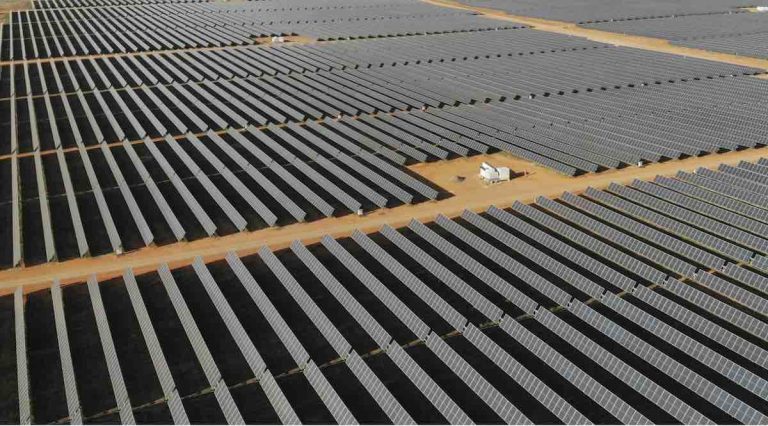
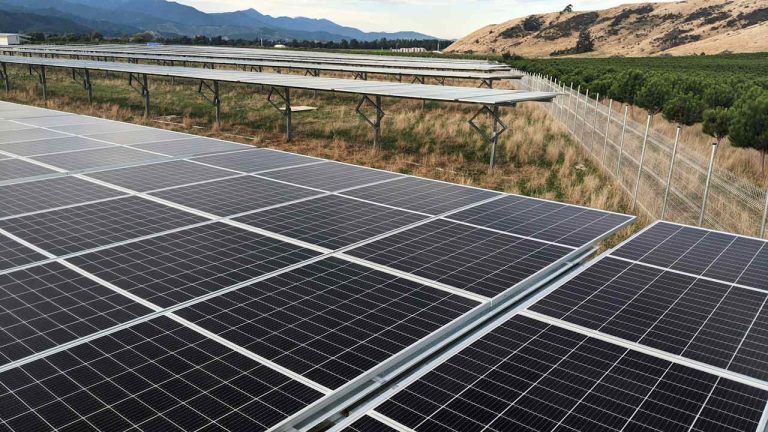
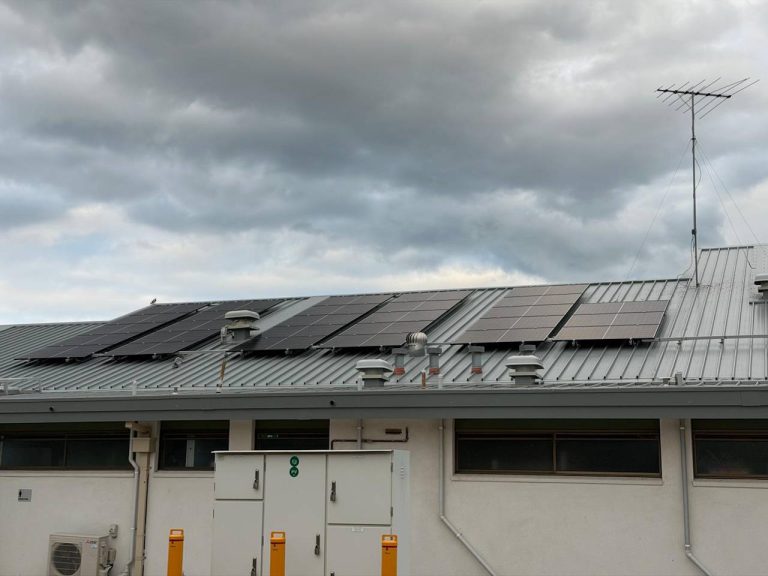
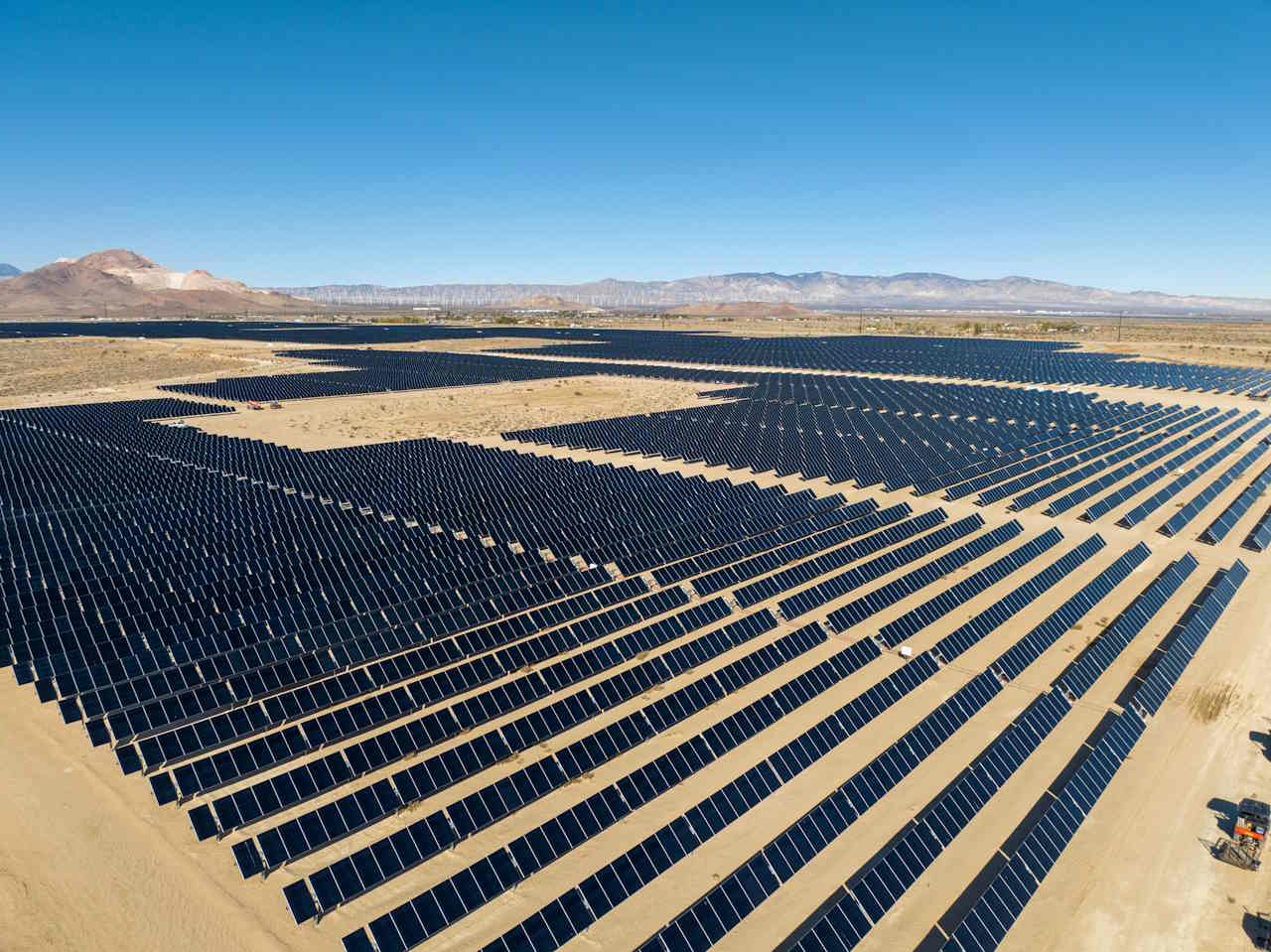
This surge was predominantly driven by utility-scale solar power, which saw a remarkable 22 per cent increase in generation. Small-scale solar production rose by 12.6 per cent, hydropower climbed by 9 per cent, and wind energy saw a growth of 5.9 per cent as well.
By July, renewable energy sources collectively provided more than 29 per cent of total electricity generation in the US, a significant rise from the 22.3 per cent recorded at the beginning of Trump’s second administration.
Fossil Fuels Left in the Dust
In stark contrast, the performance of fossil fuel and nuclear power generation under Trump’s administration has been lacklustre. Natural gas and nuclear output saw minimal increases of just 1.8 per cent and 1.5 per cent respectively. Meanwhile, coal production faced a significant downturn, plummeting by 10.2 per cent, highlighting the administration’s struggle to support the coal industry.
Specifically, during the initial 18 months of Trump’s second term, which spans from January 20 to July 31, 2026, the installed utility-scale solar capacity experienced a growth of 32.7 per cent, equating to 41,051.6 megawatts (MW). Small-scale solar saw a rise of 17 per cent or 9,112.4 MW, while wind energy capacity increased by 8 per cent, totalling 12,195.4 MW including 800 MW from offshore installations.
Battery Storage Capacity on the Rise
In a remarkable development, utility-scale battery energy storage capacity doubled in that time, adding an impressive 26,629.5 MW. Conversely, coal capacity diminished by 4,131.8 MW, representing a 2.4 per cent decrease, while nuclear power only managed an addition of 800 MW and natural gas capacity expanded by 7,561 MW, or 1.5 per cent.
Ken Bossong, the executive director of the Sun Day Campaign, commented on the situation: “Throughout the past 18 months, the Trump administration has deployed every possible tactic to obstruct new clean energy projects.” He further noted that while fossil fuels and nuclear energy only managed to add 2.6 GW of new capacity, the renewables sector and battery storage grew by a staggering 88.7 GW, stating, “Clearly, the White House has bet on the wrong horse.”
Looking Ahead: Future Projections for Renewable Energy
The Energy Information Administration has forecasted a promising future for renewable energy. For the 12 months leading up to July 31, 2027, it is expected that utility-scale solar will add 43,558.0 MW of new capacity, while the wind industry is projected to grow by 9,481.8 MW, including 3,355.0 MW from offshore sources. Battery energy storage is also anticipated to increase by 23,428.9 MW during this period.
Conversely, the nuclear sector is predicted to add no new generating capacity, while fossil fuel capacity is expected to see an overall decline of 1,452.7 MW.