The Impact of South Australia’s Blackout on Renewable Energy Policies
Since the colossal blackout that struck South Australia in September 2016, conservative factions across Australia have eagerly anticipated further disruptions. Louise Clegg, wife of the then federal energy minister and current Liberal Party leader Angus Taylor, stirred conversation by suggesting that rolling blackouts could demonstrate the inadequacy of “left populism/culture.”
This sentiment was echoed by conservative radio host Tom Elliott, who expressed a desire for a significant blackout to support his belief that renewable energy sources are ineffective. Since that summer, politicians from the Coalition have consistently hoped for blackouts they could attribute to renewable energy failures, attempting to prove their stance. Notably, Taylor described the energy grid two years post-blackout as having an excess of wind and solar power.
Renewable Growth Since the Blackout
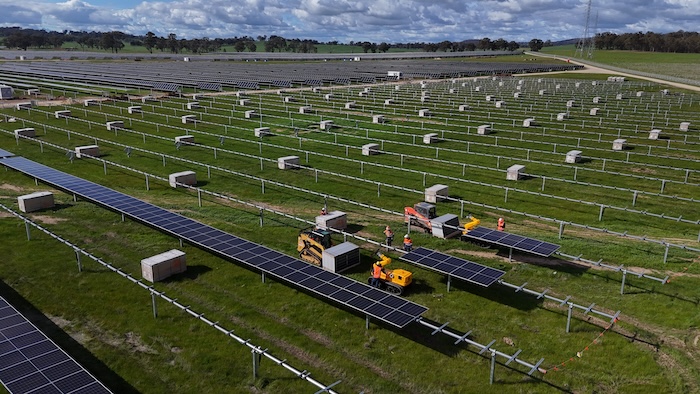
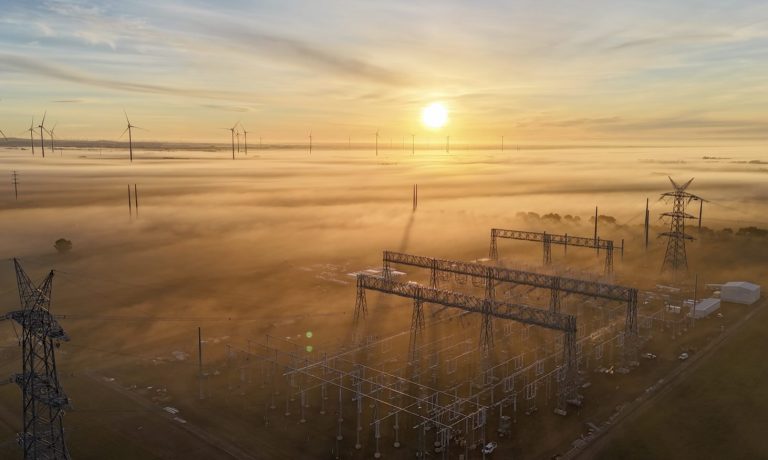
Fast forward to now, and the situation has shifted dramatically as South Australia now receives nearly 40 per cent of its power from wind and solar, a figure which has doubled since 2016. The state’s grid operates smoothly even during periods when rooftop solar meets the entire demand. The ambition to achieve 100 per cent net renewables by the end of next year positions South Australia as a potential leader in renewable energy on a global scale.
Fortescue Metals is pursuing “real zero” emissions in its vast iron ore operations, aspiring to eliminate gas and diesel in all aspects of their activities. Several off-grid mining projects are demonstrating the viability of achieving nearly 94 per cent renewable energy utilisation through wind, solar, and battery systems. The federal target is to attain 82 per cent renewable energy by 2030, complemented by an engineering roadmap from the Australian Energy Market Operator to achieve extended periods of 100 per cent renewables on the main grid.
The Technological Renaissance
These advancements can be attributed to a blend of scientific progress, technological innovations, and economic necessity. The pressing climate crisis and observable impacts have heightened the urgency for a rapid transition. Economically, most analyses conclude that transitioning from fossil fuels to renewable energy options is the most cost-effective strategy available. Technological advancements, particularly in battery storage, have been pivotal, with South Australia highlighting its significant role in this transition.
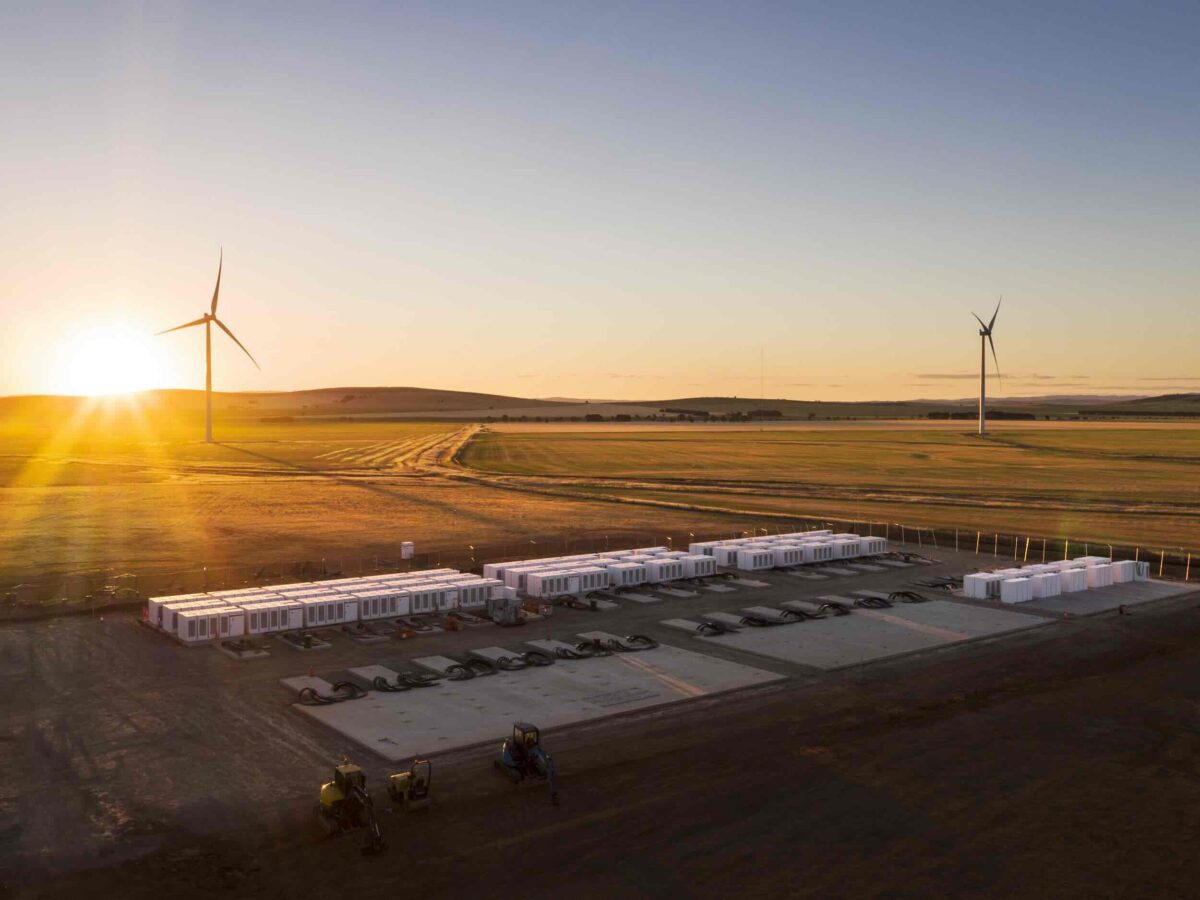
Mark Twidell, former leader of Tesla Energy in Australia, recalls a pivotal moment during March 2017 when Tesla’s Lyndon Rive highlighted the potential of a large battery installation in South Australia to prevent further blackouts following the 2016 incident. Initially, large-scale battery solutions were viewed with skepticism, with the largest installations at the time being less than one megawatt. However, Rive showcased how quickly and effectively a similar battery had been deployed in the US after a gas plant failure, igniting interest in utilising this technology in Australia.
The Impact of the Blackout
The rapid media coverage following Rive’s presentation included a call to address South Australia’s power challenges with a battery project considerably larger than any existing at the time. Ultimately, the 100 MW Hornsdale battery, built by Tesla, emerged as a landmark achievement within the hundred-day timeline promised.
Twidell asserts that the 2016 blackout proved to be a catalyst for the global uptake of battery storage. The Australian Energy Market Operator initially predicted just 4 megawatts of storage would be installed by 2026/27, but Australia is now witnessing 12,000 MW either operational or on the way, with even more planned.
A New Energy Landscape
With the current grid often relying on a single synchronous generator and plans for operation without any at all, the landscape has evolved significantly since those early days. “In 2016, they labelled the renewable transition as madness,” Twidell reflects. “Today, those claims appear quite misguided as the industry has successfully challenged those sceptics.”
Josef Tadich, Tesla Energy’s current head in Australia, remembers the palpable anxiety within the industry regarding the feasibility of managing such a renewable-centric power system. However, the lessons gleaned from the South Australian blackout ultimately served to clarify the potential of renewable energy, galvanising the industry and reinforcing the case for ongoing innovation.
Creating a Global Reference Point
Tom Koutsantonis, South Australia’s energy minister, posits that the state’s energy strategy has evolved into a “global template” for energy security. He has expressed concerns over previous management shortcomings but acknowledges that the governance of the national energy market has improved significantly as a direct response to the lessons learned from the 2016 blackout.
Additionally, while the political landscape in South Australia changed following the 2018 state election, the current liberal government has retained a focus on renewable energy targets. After Labor regained power in 2022, they hastened their ambitious 100 per cent renewable target to 2027. In light of the technological achievements since then, the sentiment remains: the future of energy generation will continue to shift, and the possibility of returning to bipartisanship seems distant.