Australia’s Green Bank Launches $100 Million for Small Solar Battery Projects
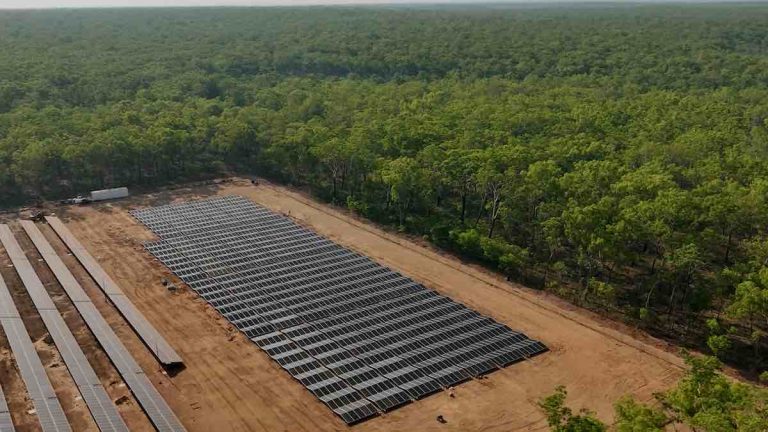
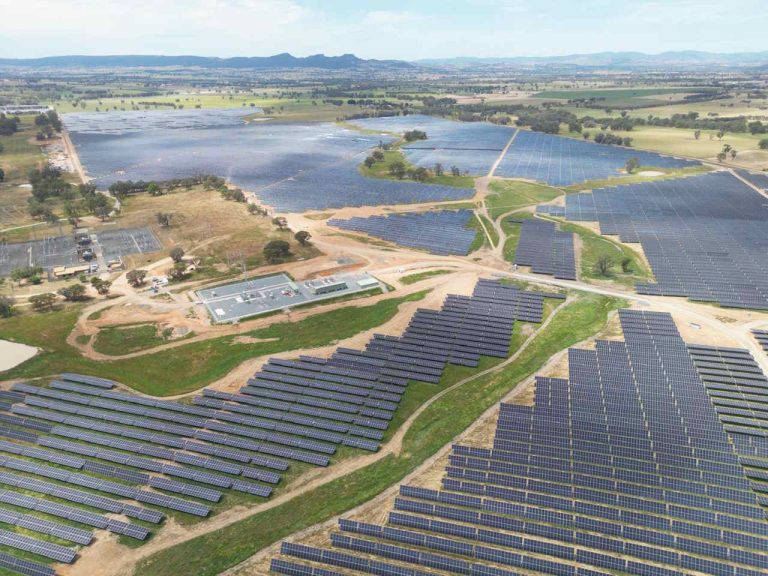
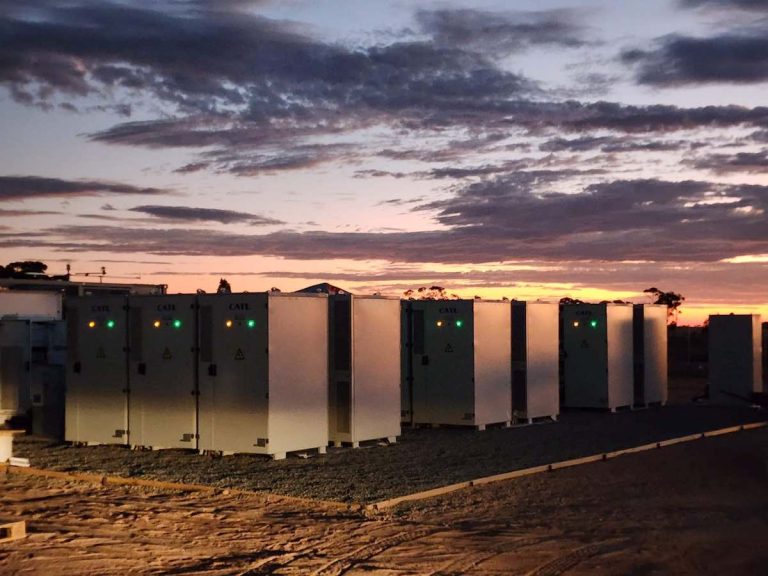
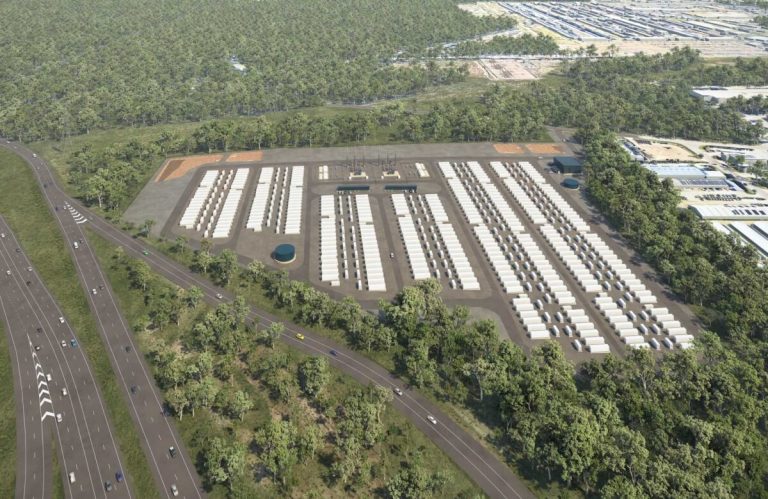
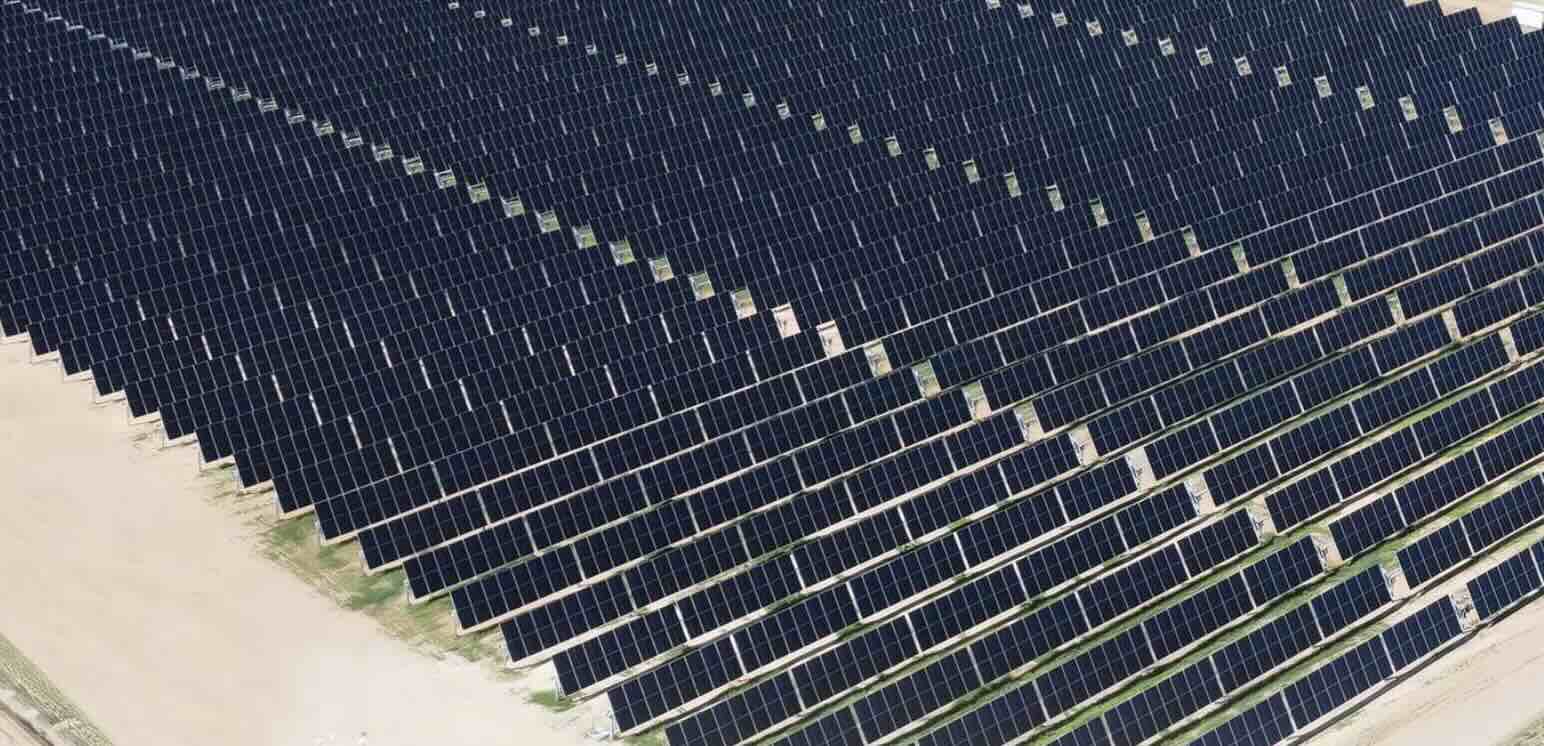
The Clean Energy Finance Corporation (CEFC), Australia’s green bank, has announced an impressive $100 million financing package aimed at supporting the establishment of 16 small-scale solar battery hybrid projects. This includes various battery retrofits as well as standalone initiatives.
The funding, which will be provided as concession finance, is being channelled through Infradebt, a Canberra-based entity. It primarily targets projects around 5 megawatts (MW) in size, designed for rapid construction and connection to the electricity grid.
Government Strategy Amid Challenges
The federal government is facing obstacles with its key Capacity Investment Scheme, as proposed projects grapple with planning hurdles, social acceptance, and grid connection complications, compounded by a scarcity of corporate purchasers capable of providing the reliable contracts necessary for securing finance and equity.
Chris Bowen, the federal energy minister, announced that the Distribution Connected Accelerator Program aims to bridge the gap between rooftop solar installations and larger renewable projects. The initiative will focus on distributed networks that enhance the ability to connect additional renewable energy sources quickly and cost-effectively.
Backing the ‘Missing Middle’
“Australians are familiar with rooftop solar and expansive solar and wind farms. This investment targets the ‘missing middle’—projects that can be developed more rapidly, integrate into local networks, and contribute to more affordable and cleaner electricity,” said Bowen in a statement.
He emphasised the importance of leveraging existing infrastructure, stating, “These projects optimise the current poles and wires, facilitating increased renewable energy generation without delaying for comprehensive transmission upgrades.”
Project Financing and Development
The government believes that these mid-sized projects have the potential to power local communities effectively. However, they frequently face funding barriers as traditional financing models generally favour larger developments.
Infradebt, which has a strong track record of funding over 40 distribution-connected renewable projects in the past 13 years, will shortlist applicants via a competitive selection process. The focus is on projects ready to start construction in 2027, with aims for operational status by early 2029.
Critical Role of Smaller Projects
According to Alexander Austin, CEO of Infradebt, “Australia’s energy transition cannot rely solely on a limited number of mega-projects. Smaller, distribution-connected projects are crucial as they can transition to operation much quicker.”
He highlighted the advantage of small projects in navigating planning approvals and securing grid connections at a lower cost. However, attracting major off-takers has been challenging, often due to the size of these projects being too small to attract the attention of larger players.
“We anticipate this program will unlock capital in this area,” Austin explained to RenewEconomy. “There is a wealth of projects available; it’s about identifying the ones that are prepared to move forward promptly.”
Target Areas and Future Potential
Infradebt and the CEFC are concentrating on approximately five to six distribution-connected solar-battery hybrid projects and another seven focused on standalone or retrofit battery initiatives.
Monique Miller, the CEFC’s Chief Investment Officer for Renewables and Sustainable Finance, noted that smaller, ready-to-connect projects often encounter obstacles related to size and transaction costs. “By offering targeted capital alongside process efficiencies, CEFC finance is unlocking a constrained market segment while promoting a more resilient energy system and optimising unused capacity within distribution networks,” she added.
An industry briefing regarding the programme is slated for mid-August.