Australia’s Largest Aluminium Smelter Secures $2.5 Billion for Renewable Transition
Australia’s largest aluminium smelter, Tomago Aluminium, is set to shift from coal-fired power to a new stable supply of renewable energy, thanks to a $2.5 billion agreement between federal and state governments aimed at securing long-term wind and solar contracts. This smelter, located near Newcastle and employing over 1,000 staff, supports an additional 5,000 indirect jobs and was at risk of closure due to the expiry of its long-standing coal power supply contract with AGL’s coal generators.
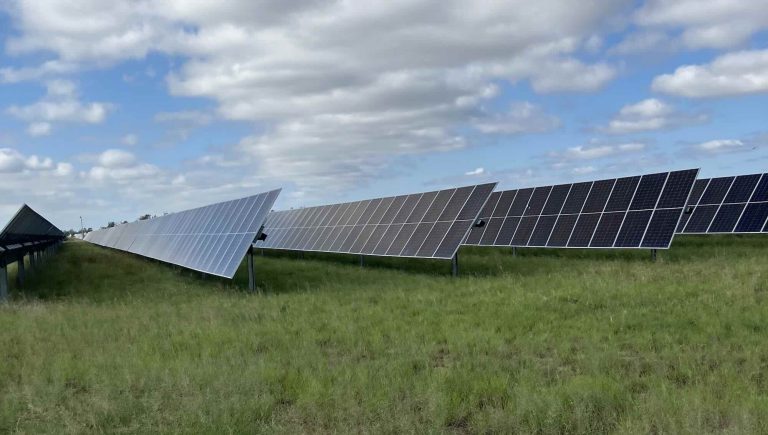
As the top electricity consumer in the country, Tomago operates with a constant demand of approximately 950 megawatts. To maintain its operations and meet the increasing global demand for low-carbon products, it will need about 3,000 megawatts of new solar and wind capacity, backed by energy storage and possibly peaking generators.
Government Support Ensures Smelter’s Future
Rio Tinto, which jointly owns Tomago, expressed concerns that rising electricity costs, whether through a new coal contract or a shift to renewables, were unsustainable without government assistance, leading to the potential closure of the facility. The recently announced $2.5 billion “bailout” will be split evenly between the federal and state governments, significantly reducing power supply costs by roughly $35 per megawatt-hour. This financial support aims to bridge the gap between the asking prices for new renewable energy and what Rio Tinto can afford to pay to keep Tomago operational.
This agreement also encourages the development of renewable energy projects in the state, many of which were previously struggling to secure financing due to the lack of major corporate buyers. Rio Tinto has already established a similar agreement in Queensland for the enhancement of its Boyne Island aluminium smelter, where it secured more than $7 billion in long-term contracts alongside a $2 billion government support package.
Breaking Barriers for NSW’s Energy Transition
The agreement marks a pivotal moment for New South Wales’ energy transition, which has faced hurdles due to insufficient investment in new wind projects largely hindered by the absence of substantial corporate buyers. With Tomago now secured, the pipeline for renewable energy opportunities is set to widen.
This deal was officially unveiled at the smelter on Thursday morning by Prime Minister Anthony Albanese and Premier Chris Minns, accompanied by key federal and state climate, energy, and industry ministers. Tomorrow’s plan, as outlined in a statement released on Wednesday, will see the relevant contracts governed by Snowy Hydro, a government-owned entity adept at providing reliable power through its hydro, pumped hydro, battery, and thermal generator portfolio.
Future Investments and Community Impact
However, there are concerns regarding Snowy Hydro’s management, given its recent struggles with significant cost overruns and delays in major projects like Snowy 2.0 and the Hunter gas generators, and it has yet to announce an updated budget for Snowy 2.0 despite a lengthy process of over ten months.
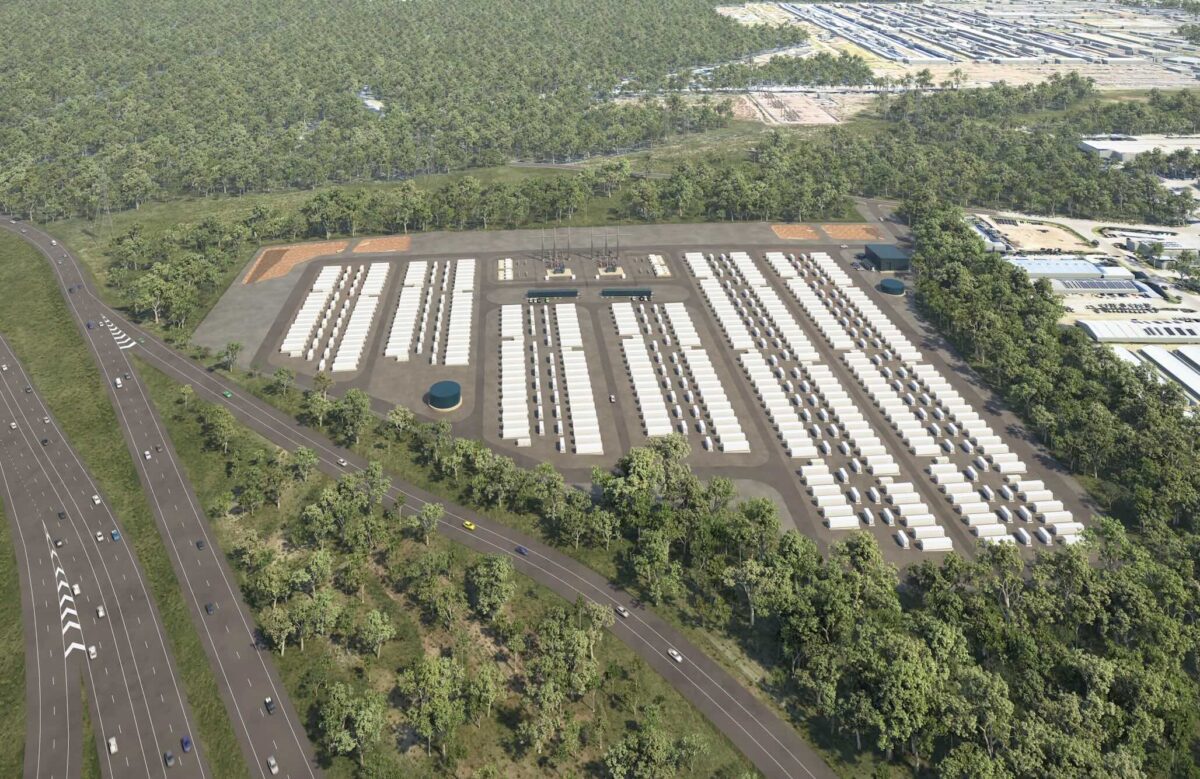
AGL, the longstanding coal power supplier for the Tomago smelter, is also in the process of developing a 500 MW, 2000 MWh battery near the site, which could complement the smelter’s transition. Numerous potential wind projects in NSW could be tapped for this initiative, including developments from Tilt Renewables, Origin, Acen, and others.
Details regarding interim power supply arrangements remain unclear, especially considering that new wind farms will not be operational by the end of 2028 under the current contracts.
Revenue Sharing and Future Projections
The arrangement also ensures that the federal government will receive revenue during times of high aluminium prices, though specifics were not disclosed during the announcement. Additionally, while the federal contribution is not capped, the NSW portion of the funding is limited. Industry Minister Tim Ayers acknowledged the complexity of the deal but highlighted its significance for the Newcastle region and the broader Australian manufacturing landscape. “This site is vital not just for Newcastle but for the entire country’s manufacturing future,” said Albanese.
Tomago Aluminium is set to invest a minimum of $1.1 billion in improvements, which includes $100 million dedicated to further decarbonisation efforts and an innovative demand-response program to support the energy grid in NSW. This program will position the smelter as a leader in electricity demand response, operating akin to a large battery.
Support for a Competitive Aluminium Industry
Federal Energy and Climate Minister Chris Bowen emphasised that Tomago Aluminium required dependable and cost-effective renewable energy to remain competitive in the marketplace, noting that existing coal-fired options had become excessively costly.
Oliver Yates, former head of the Clean Energy Finance Corp and current chair of the expert advisory panel for UNSW’s Green Energy Statecraft programme, asserted that Australia’s aluminium industry was historically built on cooperative policies between state and federal governments, and warned that international competitors have received substantial subsidies, amounting to around $70 billion.
He indicated that the Tomago agreement could potentially break the impasse in Australia’s energy transition, unlocking up to $10 billion in renewable investments and generating approximately 4,000 construction jobs, significantly facilitating new power supplies into the grid.
“Transforming the smelter into a strategic energy asset capable of aiding in load balancing enhances our energy system’s resilience, benefiting all energy consumers,” he remarked. The global aluminium industry relies heavily on structural subsidies, emphasising the need for competitive support for local industries.