Origin Energy: Renewables and Batteries Outperform Gas Fleet
Origin Energy, the largest electricity retailer in Australia and owner of the country’s foremost remaining coal plant, has confirmed that renewable energy sources are the most economical for new generation. Meanwhile, both large and small batteries are increasingly taking on the duties traditionally held by peaking gas plants.
In its financial results for the 2025-26 year released on Thursday, Origin reported a slight decline in energy market earnings, influenced by ongoing geopolitical uncertainties, significant fluctuations in global commodity markets, an evolving regulatory framework, and rapid advancements in technology.
Renewables Prove to be the Most Cost-Effective Option
Despite these challenges, one consistent finding remains: “renewables are the least expensive form of new energy generation.” The combination of solar and wind energy, coupled with consumer electrification and battery technology, is delivering numerous advantages including reduced emissions and lower wholesale prices.
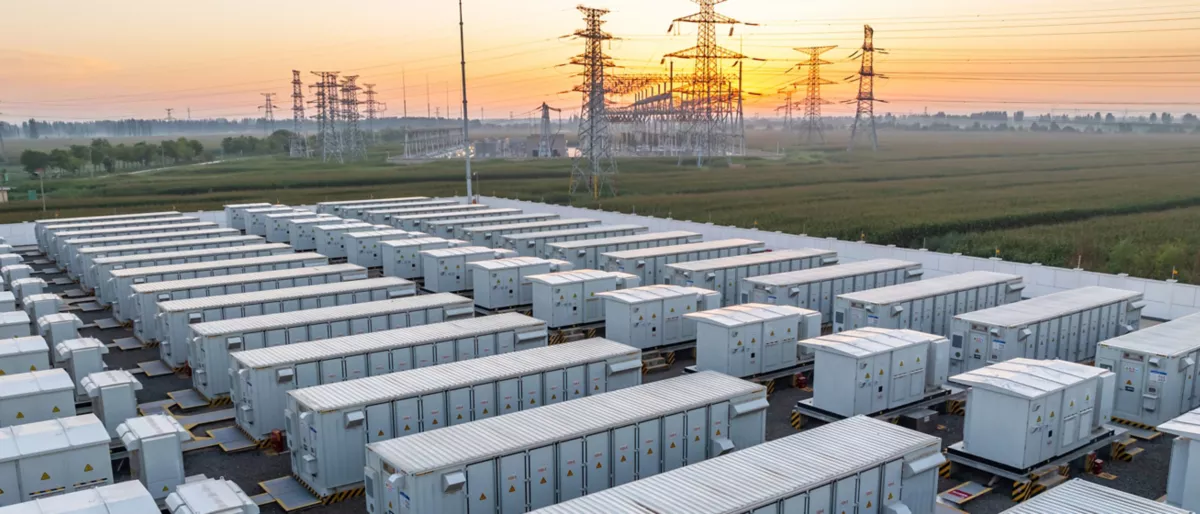
As of August, Origin operates an impressive portfolio in the National Electricity Market (NEM), boasting 1.3 gigawatts (GW) and 4.1 gigawatt-hours (GWh) of large-scale battery capacity. This includes the recently connected Mortlake battery in Victoria, which has a capacity of 300 MW and 650 megawatt-hours. Additionally, the company manages 3 GW of gas-fired generation facilities and the 2.8 GW Eraring black coal-fired power station in New South Wales, which is slated for closure by the end of April 2029. There’s also a partially completed battery project at Eraring, alongside contracts for the grand Supernode battery in Queensland.
Strategic Positioning for Future Energy Markets
“Our asset portfolio is increasingly well equipped for the evolving energy landscape,” remarked Origin CEO Frank Calabria on Thursday. “We have successfully introduced new battery capacity into operational status within budget and on schedule, alongside significant progress in our ongoing storage development projects.”
Calabria added that grid-scale batteries within the NEM have more than doubled in the past year, now accounting for about 25% of peak demand. Furthermore, the growth of behind-the-meter batteries has surged over fourfold in the past year, noticeably altering residential grid demand patterns.
“Batteries and gas operations complement each other well; batteries are adept at managing evening peak demands and sudden surges,” he explained. “This capability means we are reducing the activation of our gas fleet, which helps defer maintenance costs. Nonetheless, gas peakers still play a crucial role during extreme and prolonged volatility events.”
Calabria noted that while batteries can cover most days in summer and spring—with an abundance of renewable energy—gas peakers and hydro will still be necessary to manage seasonal fluctuations.
Renewable Energy Goals Ahead
Looking ahead, Origin aims to develop between 4 and 5 GW of renewables and storage by 2030. This includes 1.8 GW of battery projects currently underway, along with the ambitious up to 1.5 GW Yanco Delta wind project proposed for the Riverina region of New South Wales, which is gradually moving towards a final investment decision.
Like its competitors in the sector, Origin has faced criticism from the renewable energy community for not investing adequately in new large-scale solar and wind generation, especially as their significant coal facilities approach retirement.
In his presentation on Thursday, Calabria discussed the growing challenges associated with expanding renewable capacity and supporting grid infrastructure. He pointed out that projects are taking longer to develop, costs are escalating, and complexities in connection and approval processes remain, with the regulatory environment still uncertain.
“We’re encountering these challenges first-hand at Yanco Delta, where even with the Capacity Investment Scheme support, the economic feasibility remains highly challenging,” he concluded.
Despite the hurdles, Calabria is hopeful, mentioning that evolving policies and emerging market drivers are being observed. He noted the recent announcement regarding Australia’s largest aluminium smelter transitioning to a new supply of firmed renewables, backed by a $2.5 billion package from federal and state governments to secure long-term wind and solar contracts.
“We continuously assess the market to identify opportunities and understand what it has to offer,” Calabria stated. “In the last month, we have seen growth drivers such as data centres significantly increasing electricity demand.”
He emphasised that the underlying demand for renewables continues to rise, driven by announcements such as that of Tomago’s aluminium smelter in New South Wales.
“Hence, we will continue to witness persistent underlying demand. The key is to maintain discipline as we navigate these developments,” he said.