Australia’s Largest Solar Farm Sees Revenue Growth Amid Lower Prices and Battery Commissioning
Acen Renewables, the operator of Australia’s two largest solar farms, has announced a notable rise in its revenue for the most recent quarter. This increase is attributed to a significant boost in new capacity and a decrease in curtailment, even in the face of declining wholesale prices.
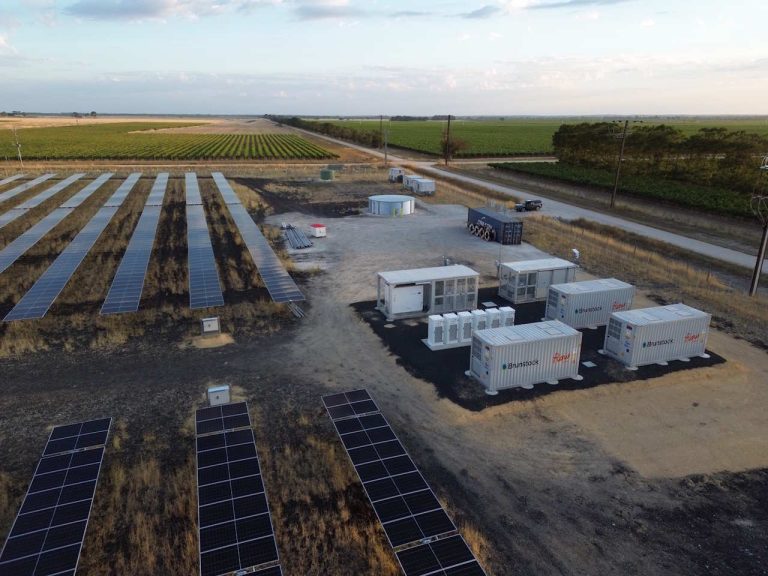
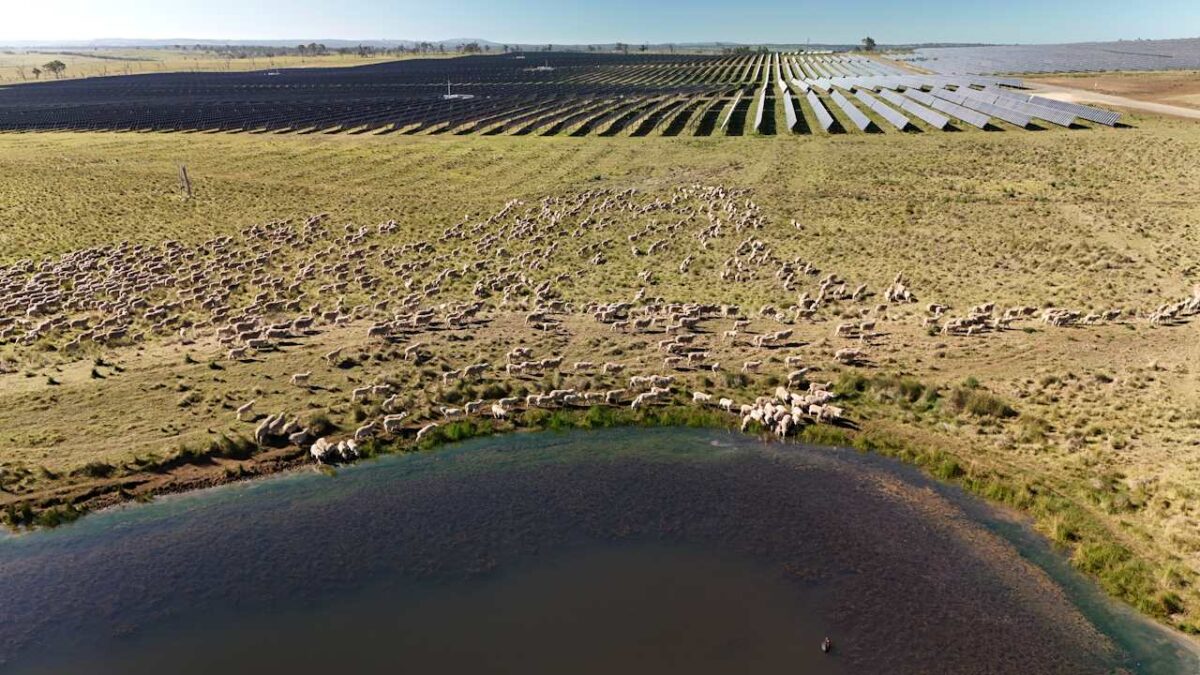
The company, based in the Philippines, owns the New England and Stubbo solar farms in New South Wales, each with a capacity of 400 megawatts (MW). Plans are in place to expand New England’s capacity to 720 MW, along with the construction of a 200 MW, two-hour battery storage system at the facility.
Impressive Output Growth
In the March quarter, Acen reported that its solar generation output in Australia nearly doubled, surging by 87 per cent to 528 gigawatt-hours. This remarkable performance is largely credited to the first full quarter of operations of the newly commissioned Stubbo solar facility. Additionally, the company highlighted enhanced solar conditions and a reduction in grid curtailment at New England.
According to the latest evaluation from the Australian Energy Market Operator, solar farms in New South Wales have experienced reduced economic offloading due to a decrease in negative prices, thanks to the increasing number of large battery installations providing support during peak hours.
New England’s Advancements
New England has successfully minimised most network curtailment, which has had a more significant impact further south due to the rise in solar installations and grid capacity challenges. Furthermore, the New England site is progressing with the construction of a 200 MW, 400 megawatt-hour (MWh) battery, which is currently 87 per cent finished and began its commissioning phase in February.
Acen Renewables has reported that its revenues increased by 76 per cent, totalling P1.45 billion (approximately $A32 million), although the average wholesale price received dropped by about six per cent. The company explained that the results in Australia reflect the effects of lower merchant prices, as well as higher depreciation and interest expenses linked to Stubbo’s commencement of commercial operations. This was partially offset by the improved generation output at the New England solar farm, which benefitted from reduced curtailment and favourable solar conditions.
Earnings Growth
While both generation and revenue experienced substantial growth, the company’s earnings only rose by 59 per cent to P994 million (around $A24.5 million). This slower growth was mainly due to the rising depreciation and interest costs associated with the completed Stubbo project.
Acen has secured long-term off-take agreements for New England with Zen Energy and Flow Power, as well as contracts with industrial gas company BOC and the University of Technology.
New Projects on the Horizon
In addition to its existing projects, Acen Renewables has commenced construction on the 75 MW Jinbi solar project in Western Australia’s Pilbara region, a significant development under the Yindjibarndi joint venture initiated in March 2026. The company also has numerous other projects underway, including the Valley of the Winds project in New South Wales, the Phoenix pumped hydro project, and the Robbins Island wind project in Tasmania.