Coal Pollution Reduces Solar Panel Output, Major Study Reveals
A recent study has highlighted a significant issue concerning coal pollution and its detrimental effect on the energy output from solar photovoltaic (PV) installations, especially those situated close to coal-fired power plants. This research adds to the ongoing challenges associated with coal power generation.
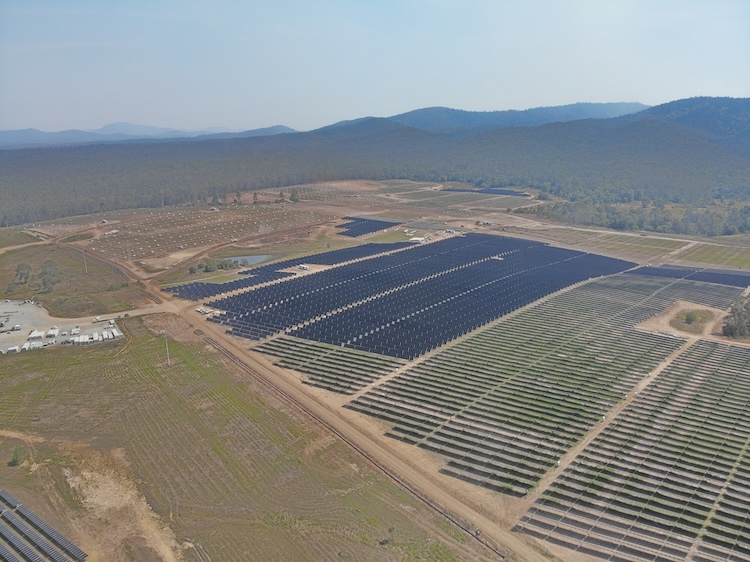
Conducted by experts from the University of Oxford and University College London (UCL) and published in the journal Nature Sustainability, the study evaluated over 140,000 solar PV installations worldwide using satellite data. This data has been made publicly accessible through a new visualisation tool available at https://pvfacilitymap.uk/.
Research Findings and Pollution Effects
The researchers integrated atmospheric air quality data with satellite observations of solar PV installations to determine how much sunlight is lost due to pollution and the subsequent reduction in electricity generation. The findings indicate that aerosols in the atmosphere were responsible for reducing global solar electricity output by 5.8% in 2023. This translates to a loss of 111 terawatt-hours (TWh) of electricity, equivalent to the output of 18 medium-sized coal power plants.
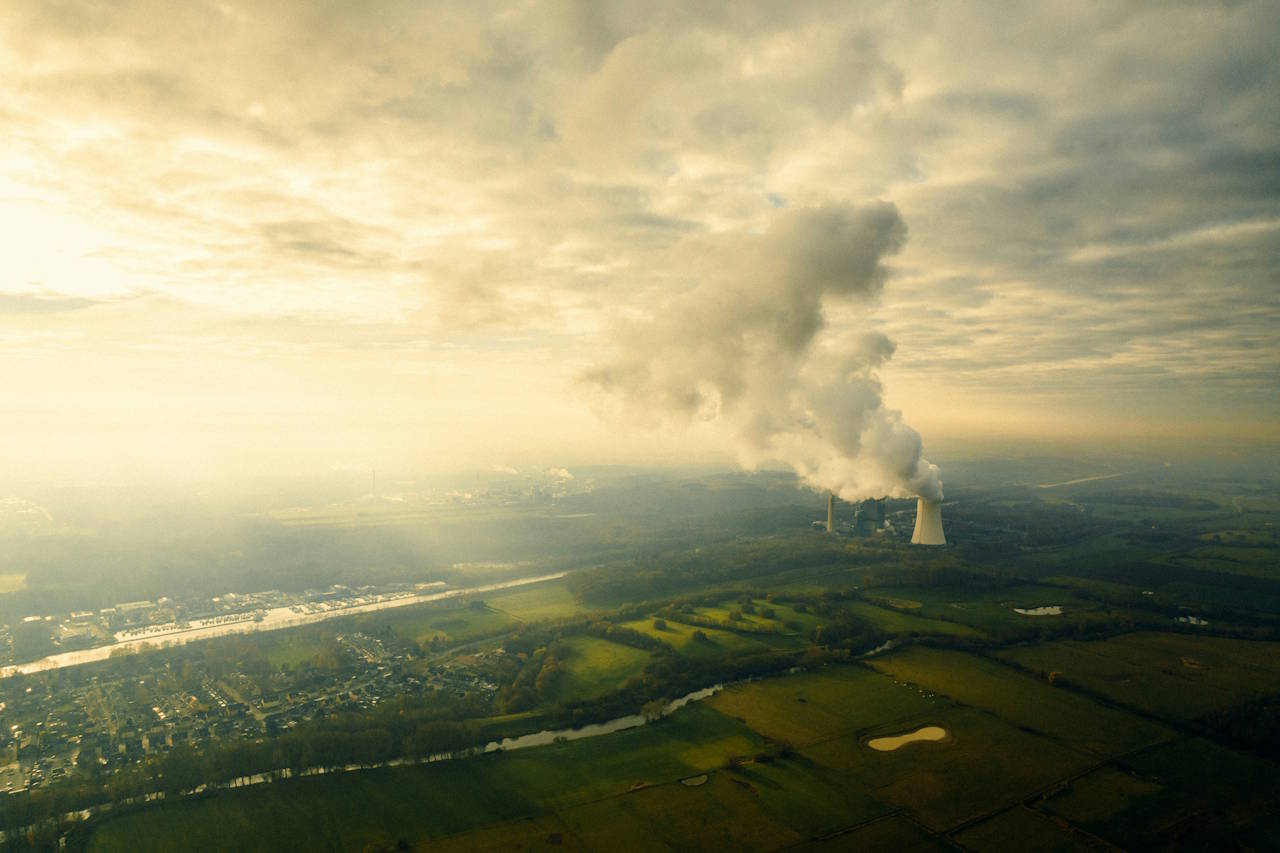
Upon tracing the source of these aerosol particles, it was identified that coal-fired power generation significantly contributes to this issue. The emissions from coal plants produce a thin layer of pollutants that scatter and absorb sunlight, thereby limiting the amount that reaches nearby solar panels, resulting in decreased energy production.
Regional Impact and Implications
This phenomenon was particularly pronounced in China, where the growth of solar and coal capacity has often occurred in tandem, leading to many installations being located in close proximity. The researchers found that regions with high coal capacity were closely correlated with those experiencing the largest reductions in solar PV output. In 2023, China, the largest producer of solar energy—generating 793.5 TWh, or 41.5% of the global total—also saw a significant reduction of 7.7% in its solar output attributed to aerosol pollution. The research estimates that around 29% of these losses are directly linked to coal-fired power plants.
These findings underscore the serious and frequently underestimated limitations posed by coal pollution on the transition towards clean energy. While new solar PV installations globally have added an average of 246.6 TWh of electricity annually from 2017 to 2023, aerosol-related losses for existing systems reached 74 TWh, accounting for nearly one-third of the benefits gained from new capacity.
The Broader Consequences of Air Pollution
Dr Rui Song, a physicist at the University of Oxford and lead author of the study, remarked, “We are witnessing a swift global expansion of renewable energy, but the efficacy of this transition appears to be less than anticipated.” He explained that as coal and solar industries grow concurrently, the emissions from coal have altered the radiation environment, thereby directly impacting solar energy production.
Interestingly, while this effect was notably severe in China, it is also the only major region that has seen an improvement in aerosol-related solar PV losses, with a decline of about 0.96 TWh per year or 1.4% annually between 2013 and 2023. This positive development is likely due to the implementation of stricter emissions regulations and the adoption of ultra-low-emission technologies within China’s coal power plants.
Nevertheless, the study’s findings may not fully encapsulate the extent of the issue. Dr Song further noted, “Air pollution not only obstructs sunlight but also alters cloud formations, which can further diminish solar power output.” This suggests the actual impact of pollution could be greater than the measurements captured, indicating we might be overestimating the role of solar power in mitigating emissions without addressing coal pollution effectively.
Future Research Directions
Moreover, the methods developed to examine the influence of coal pollutants on solar energy may later be adapted to encompass other atmospheric pollutants. “Utilising global satellite imaging has allowed us to chroniclerise the rapid ascent of affordable, non-polluting solar power during daylight hours,” commented Professor Jan-Peter Muller, a researcher at UCL and a co-author of the study. “In the near future, we will have the capability to monitor in real-time the impact of airborne dust and smoke on solar energy production from geostationary satellites.”