NSW to Launch Major Tender for Solar and Battery Power Generation
The New South Wales government is set to announce its most substantial tender yet for new energy generation capacity, with a strong emphasis on solar-battery hybrids and wind projects tailored to provide electricity outside of daylight hours.
This ambitious 2.5 gigawatt (GW) tender is expected to be officially launched within the coming week, coinciding with a new request for proposals for a 12.5 gigawatt-hour long duration storage capacity. This initiative comes shortly after the state reveals the successful bidders from its latest “firming tender,” aimed at securing capacity to cope with potential supply shortages.
Urgent Need for Enhanced Renewable Capacity
NSW is in a race to enhance its renewable energy infrastructure, ensuring sufficient wind, solar, and storage capabilities for the scheduled retirement of its remaining four ageing coal-fired generators. While progress has been made in storage solutions, the same cannot be said for new generation projects. Recent adjustments have been made to this latest tender, marking the first since the introduction of the federal government’s Capacity Investment Scheme.
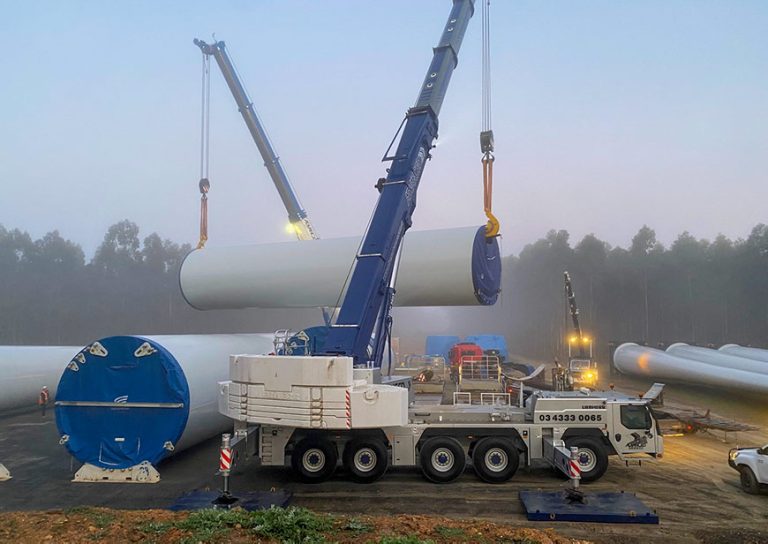
The state has largely filled its quota under the CIS but acknowledges the necessity for further construction, as currently, only one wind project, the Squadron Energy’s 414 MW Uungula development, is actively under construction.
Adapting to the Market Needs
In response to evolving market demands, the state and its tender manager, ASL, have modified the tender’s design to accommodate the growing appeal of solar-battery hybrids. This shift is attributed to the decreasing costs associated with both photovoltaic technology and battery storage, alongside the challenges and expenses currently facing wind projects.
The new guidelines released by ASL clarify that projects capable of generating outside the solar hours will receive favourable consideration. This adjustment is a direct response to the increasing prevalence of rooftop solar energy during daytime, which is contributing to falling wholesale prices and sidelining coal, gas, and traditional renewable generators.
The briefing document underscores that “Projects with generation profiles aligned to high-value periods in NSW – particularly wind and hybrid generation storage projects producing during non-solar hours – are expected to deliver strong financial value.” It also notes that well-developed wind projects recognised for their potential to support NSW’s energy transition goals will be highly encouraged. However, all proposals will be assessed based on a technology-neutral and cost-effective framework.
Project Evaluation Strategy
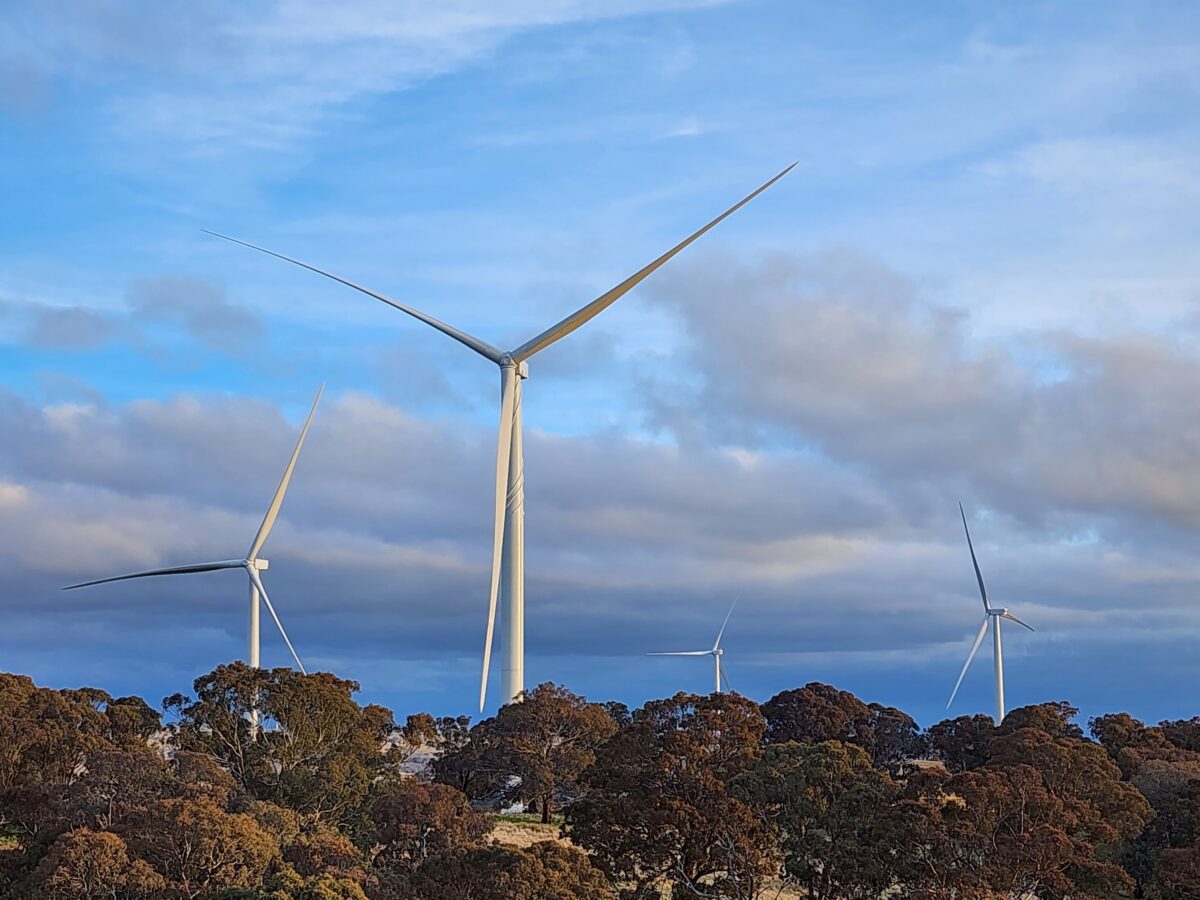
Wind technology remains a vital element within the future energy framework, despite the current challenges faced by the sector. The briefing points out that wind energy generation typically peaks in the evening and nighttime hours, reiterating the need for solar-battery hybrids to effectively contribute substantial output during peak evening demand.
Notably, projects applying for a Hybrid Long Term Energy Supply Agreement (LTESA) will be evaluated strictly, with no wholesale market benefits granted if their initial storage duration is less than four hours or if the generation capacity does not exceed that of the storage capacity.
Progress on Previous Tenders
The generation tenders held in NSW thus far have led to developments including the nearly completed New England (720 MW) and Stubbo (40 MW) solar farms, both operated by Acen Renewables, along with Neoen’s 400 MW solar farm in Culcairn and Iberdrola’s Flyers Creek wind project, which was well underway when it secured a tender win.
In addition to the ongoing construction of the Uungula wind project, Goldwind’s 275 MW Coppabella wind project, along with many of the NSW-based winners from the CIS tenders, have yet to break ground.
Long Duration Storage Initiatives
Alongside the state’s generation tender, the government will introduce a new long duration storage tender this month, seeking a minimum of eight hours of storage, aiming for a total of 12.5 gigawatt hours as part of its plans to bolster storage reserves to 42 GWh in the early 2030s.
The focus now will be on whether large battery systems can maintain their leading position, or if a pumped hydro project can secure an underwriting agreement. To date, big batteries have led the first three Long Duration Storage tenders, with the inaugural system being the 50 MW, 400 MWh Limondale battery, owned by RWE, which is already operational.
Acen Renewables disrupted this trend with its Phoenix pumped hydro project, marking it as the only non-battery winner alongside the Silver City advanced compressed air storage facility located in Broken Hill.