Retrospective Tax on Renewables: A Warning for Investors
Industry experts have raised alarms regarding Federal Labor’s unclear stance on renewable energy investments, particularly with changes to capital gains tax (CGT) potentially hindering foreign investment in significant clean energy projects like wind farms. This comes at a crucial time when substantial, patient funding is essential for the sector.
The recent federal budget outlined by the Albanese government proposes a series of reforms to CGT aimed at expanding the asset categories subject to levies for foreign investors, incorporating a retrospective element into the changes.
New Tax Reforms and Their Impact
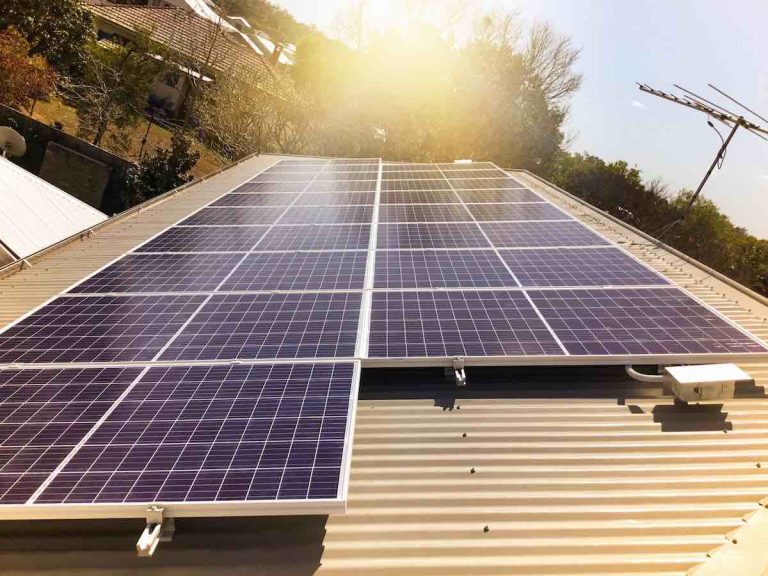
These reforms, initially suggested in the 2024-25 budget, will include energy infrastructure such as wind turbines, solar panels, battery energy storage systems (BESS), transmission towers, lines, and substations under the CGT regime.
Although renewable energy assets will benefit from a temporary, targeted concession offering a 50% discount on CGT until 2030, this measure may provide little reassurance for projects striving to secure international capital as Australia aims for an ambitious renewable energy target of 82% by 2032.
Worrying Trends for Wind Energy Development
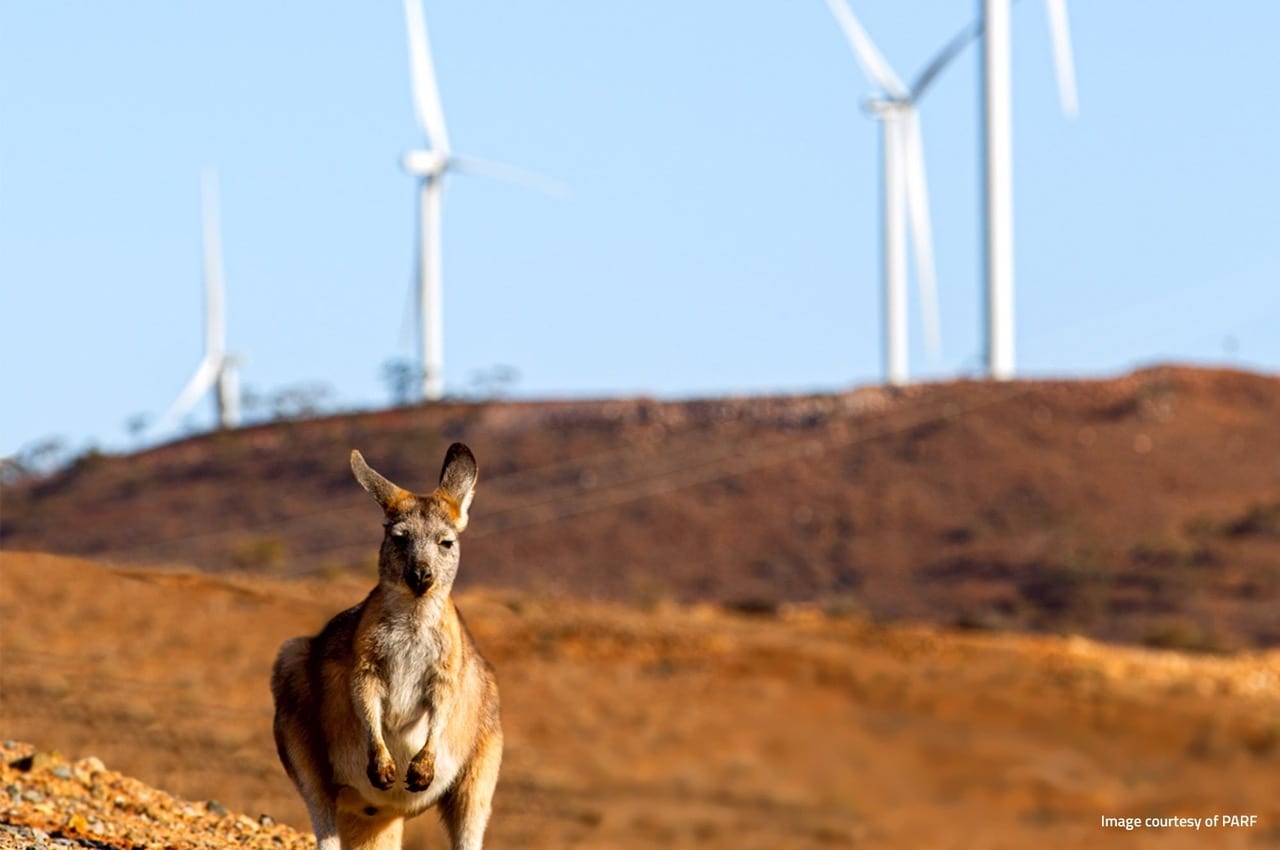
The implications of these changes are particularly troubling for the wind energy development sector, which, as noted by Renew Economy, has seen limited financing over the past year, resulting in only a handful of smaller projects moving forward in the past six months.
Experts from Hamilton-Locke, including Matt Baumgurtel, Adriaan van der Merwe, and Lily Clements-Markham, highlighted in a budget summary that renewable assets are “squarely in the crosshairs” of the CGT reforms, which could discourage the foreign investment critical to the country’s energy transition.
Concerns over Retrospective Taxation
The budget’s retrospective nature raises further issues, with Corrs Westgarth Chambers explaining that it would allow the Australian Taxation Office (ATO) to review transactions involving foreign investors dating back to 12 December 2006. This aspect is viewed as potentially introducing significant sovereign risk, affecting Australia’s appeal to international investors.
It remains uncertain how the retrospective clause will affect investors in the renewable sector, compounding existing challenges as the industry seeks to expand rapidly.
The Stakes for Clean Energy Investment
The Clean Energy Investor Group (CEIG), which has cautioned against the proposed tax changes since 2024, asserts that rewriting tax laws for international investors—who contribute around 75% of clean energy funding in Australia—poses a serious threat.
CEIG CEO Richie Merzian emphasised in a LinkedIn statement that “no tax should be retrospective,” highlighting the adverse effects this measure could have on the future of clean energy investments. He called for a budget that is forward-looking and aligns with the long-term nature of clean energy investments and government net zero objectives.
Mixed Messages Sent to Investors
In a statement prior to the budget’s release, the Investor Group on Climate Change cautioned that the poorly thought-out CGT reforms would communicate “mixed messages to investors at a pivotal moment in Australia’s energy transition.”
With disruptions to energy supplies due to international conflicts, executive director of policy Frankie Muskovic noted that it is difficult to comprehend why the government’s CGT changes are effectively discouraging global investment in renewables, which are vital for reducing energy costs for households and businesses in Australia.