Mining Giant Signs 30-Year Deal for Indigenous-Led Pilbara Solar Project
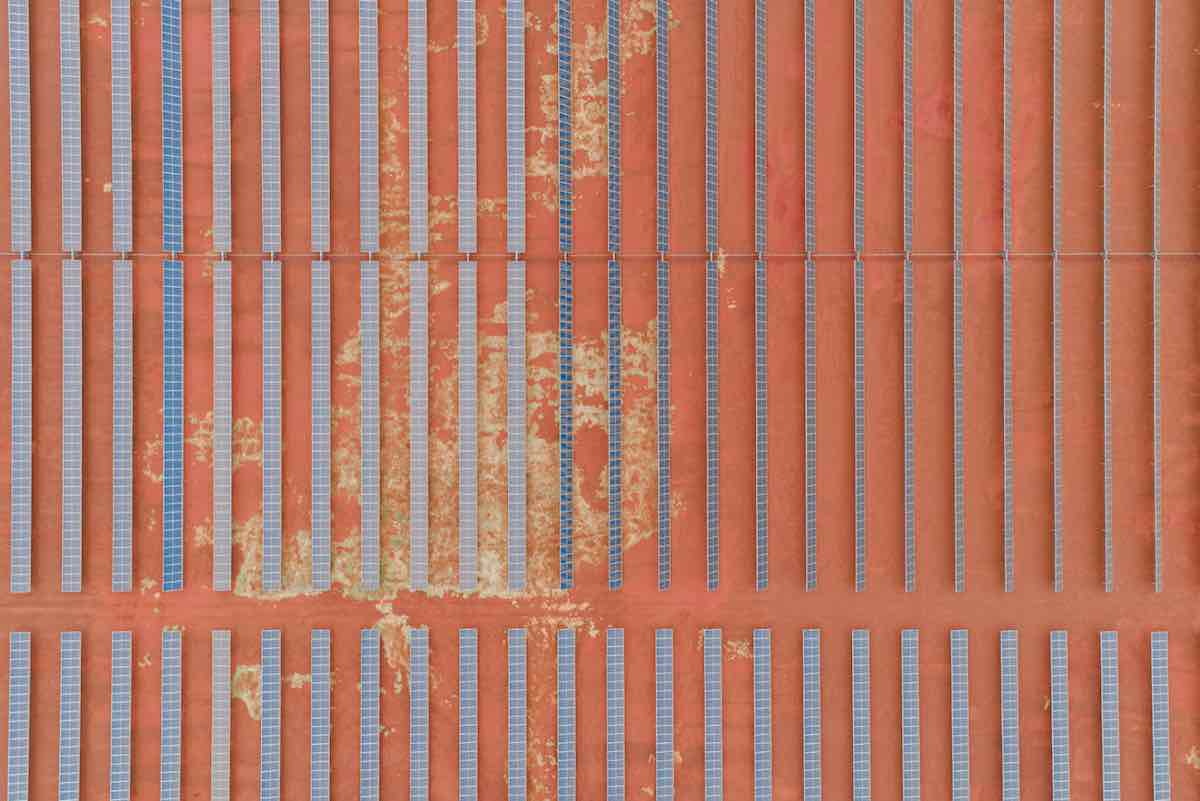
One of Australia’s most significant Indigenous-led renewable energy projects has achieved financial closure for a solar farm and battery facility in Western Australia, boasting a capacity of up to 150 megawatts. This milestone follows the establishment of a substantial off-take agreement aimed at reducing carbon emissions from Rio Tinto’s iron ore operations in the Pilbara region.
The Yindjibarndi Energy Corporation (YEC) announced on Monday that it has finalised a 30-year power purchase agreement (PAA) with Rio Tinto, completing the essential funding and regulatory consents necessary to commence the first stage of the Jinbi Solar Project. Under the terms of the agreement, YEC will provide all the electricity generated by the Jinbi solar farm to Rio Tinto, marking a significant step in the companies’ collaborative efforts initiated in October 2023 to replace gas-fired generators used for powering the vast iron ore mines.
Project Details and Expansion Plans
Established in July 2023 by the Yindjibarndi Aboriginal Corporation (YAC) alongside the Philippine renewable energy firm Acen Corporation, YEC has ambitious plans to develop approximately 750 megawatts of wind, solar, and battery projects in Yindjibarndi Ngurra (country), where YAC possesses exclusive rights.
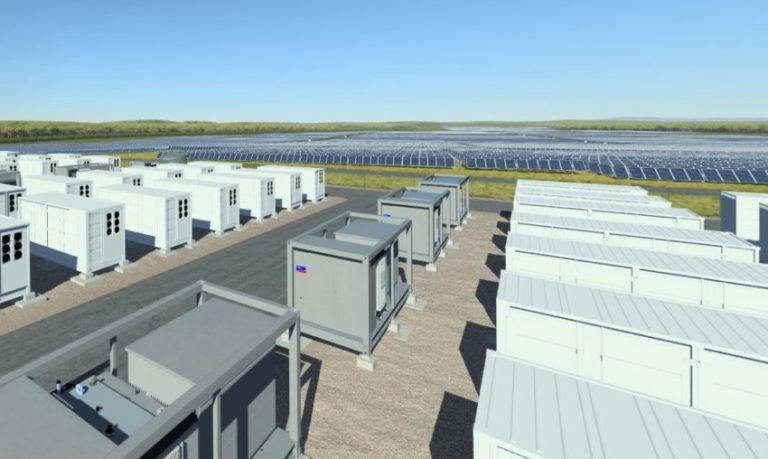
The initial stage of the Jinbi solar farm will have a capacity of 75 MW, with the potential to increase this to 150 MW and incorporate Battery Energy Storage Systems (BESS), pending regulatory approvals and future development choices. YEC has confirmed that signing the 30-year PAA with Rio Tinto enables them to proceed with their Engineering, Procurement, and Construction (EPC) contractor, DT Infrastructure, and accommodation provider, Rapid Camps.
Progress and Partnerships
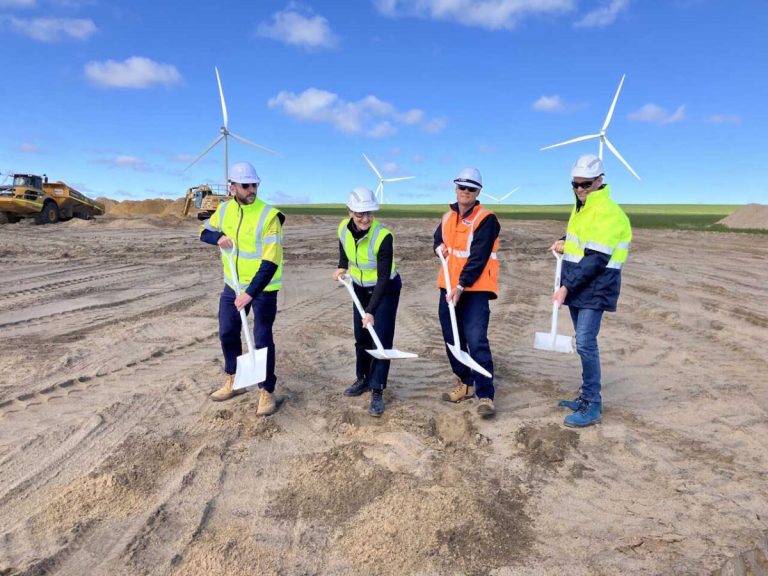
Initial site preparation work is already in progress, with Yurra, an enterprise from the Yindjibarndi Nation and YEC’s preferred civil works partner, actively preparing the area for construction.
Craig Ricato, YEC chief, highlighted the achievement of reaching financial closure on their inaugural project in the Pilbara within merely three years of the partnership’s establishment as a significant accomplishment for both YEC and its shareholders, the Yindjibarndi Traditional Owners and Acen. He expressed that this achievement demonstrates that a project led by the Yindjibarndi community, anchored in their cultural heritage, meets the demanding commercial standards of the energy market while aligning with their values and governance obligations.
Legal Challenges and Broader Context
Amidst this progress, the YAC finds itself embroiled in legal proceedings against fellow Pilbara mining giant, Fortescue Metals, led by Andrew Forrest. YAC is pursuing $1 billion in compensation for cultural losses and an additional $825 million for financial losses contended to have arisen from the construction and operation of Fortescue’s Solomon mine, which they allege was undertaken without proper permissions or compensation arrangements.
On the global scale, Rio Tinto is gradually progressing towards its goal of achieving a 90 per cent renewable energy supply by 2030 across its operations. The company is currently benefitting from hydroelectric power supplied to its Canadian smelters, bringing its renewable supply percentage to around 78 per cent.
Challenges remain in Australia, although advancements were made earlier this year when both the federal Labor and the Queensland LNP governments pledged to invest $1 billion each over the next decade to support the ongoing viability of Rio’s Boyne aluminium smelter located in Gladstone.
As part of the agreement, Rio Tinto has committed to fund $7.5 billion for new development in wind, solar, and battery storage in the Gladstone area, previously dominated by coal, to meet the energy needs of the smelter through power purchase agreements.
In the Pilbara, Rio Tinto has fallen behind Fortescue, which is ambitiously striving for a “real zero” goal by 2030, ensuring no fossil fuels are used for electricity, mining equipment, or transport by that time.
Industry Perspectives on the Jinbi Project
Matthew Holcz, Rio Tinto Iron Ore chief, expressed pride in contributing to the Jinbi project, highlighting the importance of collaborating with Traditional Custodians in developing renewable energy on Yindjibarndi country, while also creating lasting value and long-term economic opportunities there.
Acen Group’s chief investment officer, Patrice Clausse, commended the collaboration, noting that Jinbi exemplifies the potential for projects driven by Traditional Owner leadership that adhere to rigorous commercial benchmarks whilst fostering responsible and respectful renewable energy development in Australia.