Australia’s Isolated Grid Leads in Renewable Energy Transition
While Australia’s primary electricity grid faces challenges in achieving the federal goal of 82% renewables by 2030, Western Australia’s isolated grid appears to be on a promising path. Known for being the largest standalone grid in Australia, and quite possibly the world, it lacks the capability to rely on neighbouring regions for power supply, presenting both challenges and opportunities in its shift from coal.
This inherent isolation poses a theoretical hurdle as the state aims to reduce coal dependency in favour of renewables, especially given its absence of hydro resources, while much of Australia’s renewable strategy hinges on the construction of new transmission lines. The principle of “There is no transition without transmission” underscores this challenge.
Success in Isolation
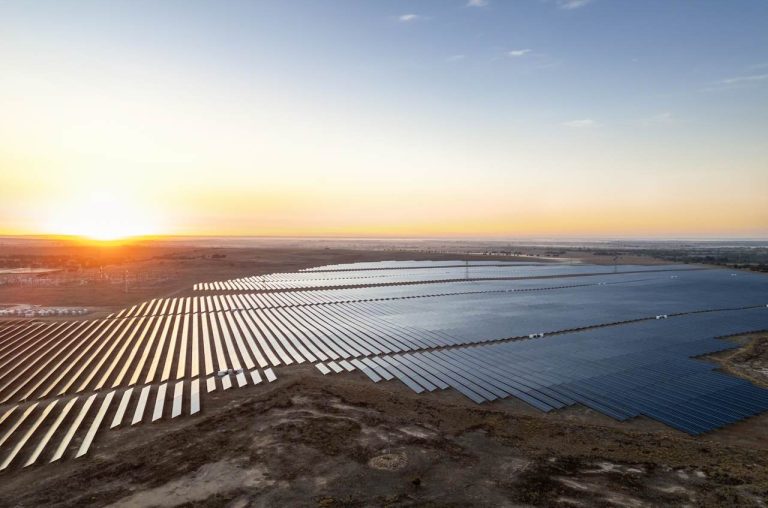
However, numerous smaller grids in the region have successfully shown that isolation doesn’t hinder achieving a significant share of renewable energy. Various mining operations are already utilising up to 95% renewables through a combination of wind turbines, solar panels, and battery storage. Andrew Forrest’s Fortescue Metals Group is setting ambitions even higher, targeting 100% renewable energy and “real zero” emissions at its vast iron ore mines by the decade’s end.
Interestingly, this isolation might actually be advantageous. It leads to fewer competing interests, less bureaucratic red tape, and a clearer economic rationale for distancing from costly and often unreliable fossil fuel supplies.
Major Wind Tender Announcement
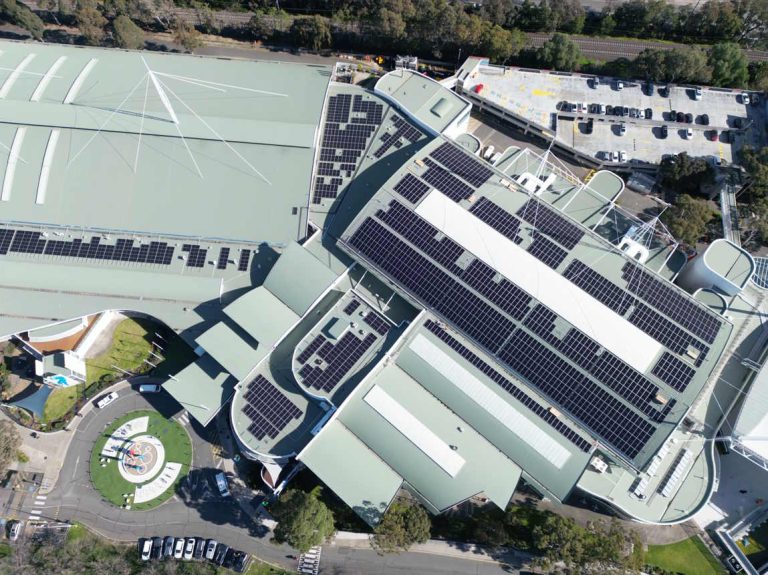
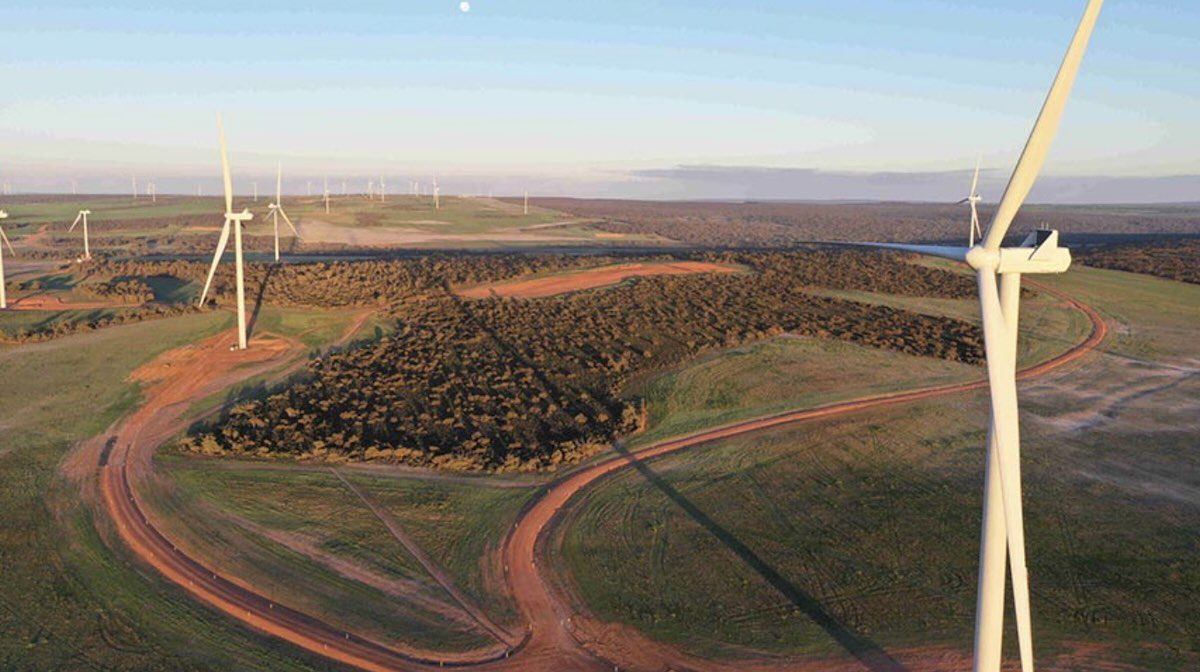
Recently, Western Australia and the federal government unveiled the results of the state’s largest tender for electricity generation and battery storage, aligning with plans to phase out coal-fired plants by 2030. This notable announcement includes six wind farms, two solar-hybrid projects, and several battery installations, all contributing to the state’s commitment to a coal-free future.
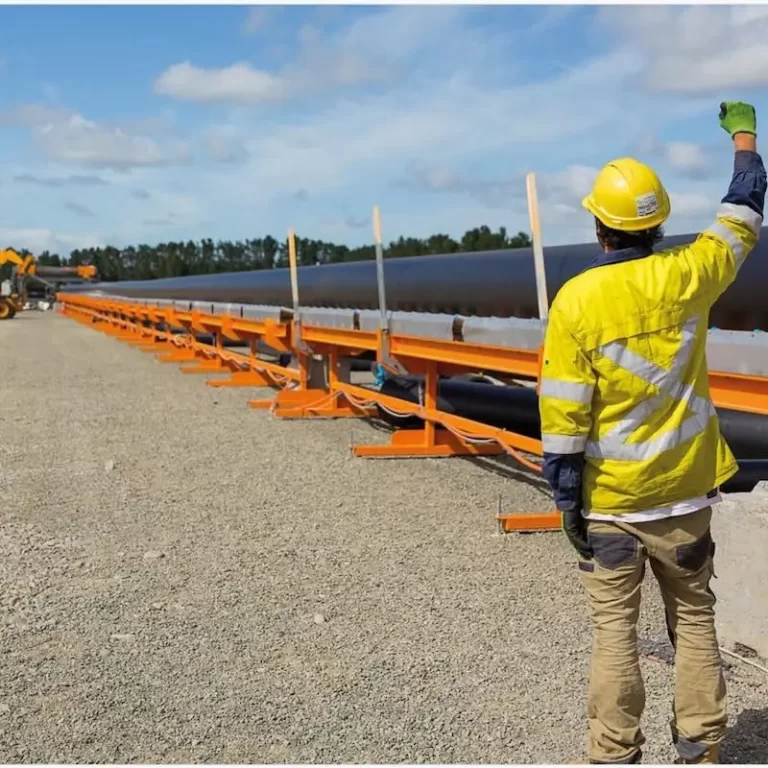
The past month has also seen a flurry of activity, including agreements for three major wind projects, expedited approvals, and a substantial investment of $1 billion in new transmission infrastructure designed to connect these projects to the main grid.
Energy Minister Amber-Jade Sanderson expressed optimism, stating that if these initiatives come to fruition, the state could achieve a renewable capacity of around 80% by 2030. Furthermore, additional agreements are expected from the state-owned energy company, Synergy, in the near future.
State Ownership Advantage
Key to this transition is the state’s ownership model, which allows greater control over the narrative and investments compared to the more fragmented private market elsewhere in Australia. This contrasts sharply with the situation during the previous Coalition government, which stalled progress in renewable projects.
Moreover, with significant government ownership in Queensland mirroring past hurdles in Western Australia, recent moves to gut renewable targets and block project approvals pose risks to the nation’s renewable commitments. Western Australia’s Labour government is now keenly aware that delaying the retirement of ageing coal generators is no longer an option, prioritising the need for infrastructure development to facilitate the energy transition.
Subsidies and Consumer Protection
Western Australia’s market has historically benefitted from substantial state subsidies, shielding consumers from the true costs associated with its dependence on coal and gas power generation. Sanderson noted that household electricity bills have consistently been kept below inflation due to these subsidies, a model the government plans to maintain even amid the growing reliance on renewable sources.
However, projections indicate that the increased use of wind, solar, and battery storage will lead to a decrease in wholesale energy prices, benefiting both consumers and industries alike.
Implications of Recent Tender Results
The newly announced tender results will support ten projects, including several wind, solar hybrids, and energy storage solutions, all of which will offer a stable floor price for their output. This financial assurance is crucial for attracting the necessary investments, estimated to total around $5 billion. Notably, Synergy has already signed power purchase agreements with some of these projects, providing a strong foundation for their realisation.
Some projects, such as Frontier Energy’s Waroona, are embarking on a second attempt at the tender process, rejuvenated by the recent awarding of capacity credits, paving the way for potential success.
Need for a Formal Renewable Energy Target
Despite these advancements, advocates argue for the establishment of a formal renewable energy target in Western Australia to ensure progress continues and coal phase-outs occur as planned. Jess Panegyres, Director of Solutions for Climate WA, commented that the recent tender announcement marks a significant milestone in the state’s clean energy transition and called for the government to solidify a long-term renewable strategy.
There are calls for the federal government to follow suit with a more rigorous framework to enforce its 82% renewable target, as the current incentives are deemed insufficient to galvanise major energy utilities into proactive measures. Observers believe that a more compelling mechanism is necessary to attract investment and ramp up the speed of the nation’s transition to clean energy.